Jun 16, 2:03 PM
The Shadow Economy of the Swiss Alps: Gstaad’s Imported Underclass
A Serbian family is convicted of human trafficking in a pristine luxury resort, exposing the grim reality behind immaculate chalets.
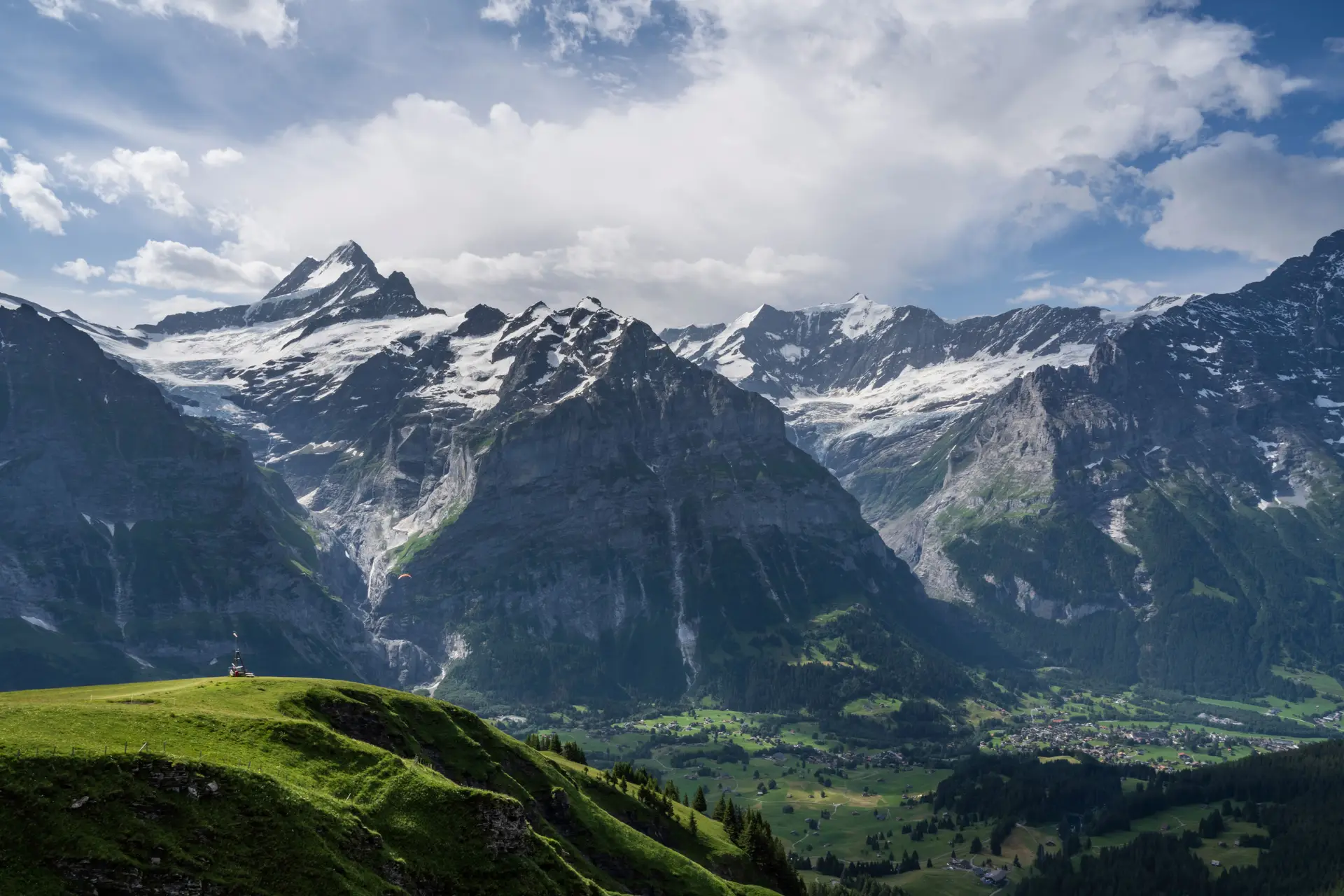
Gstaad presents a meticulously curated illusion. Behind the traditional chalets and designer boutiques, the international elite expect a seamless existence. The pristine machinery of this Bernese Oberland luxury enclave occasionally breaks down, revealing the unsavory cogs that keep it turning. The Regional Court of Bernese Oberland has just dismantled one such mechanism, convicting a Serbian family of human trafficking and usury for operating an illegal staffing network.
The operation capitalized on the persistent economic stagnation of Serbia. The defendants lured over a dozen women from their homeland to the Swiss Alps. Once in Gstaad, these women were absorbed into the shadow economy.
The court found they worked up to sixteen hours a day, seven days a week, for a mere 1500 Swiss Francs a month. Housed in shabby accommodations and fed meager rations, their freedom of movement was heavily restricted. Those who resisted faced systematic pressure.
The sentences reflect a legal system attempting to assert control over a black market that usually operates entirely out of sight. The sixty-eight-year-old mother, identified as the primary architect, received an unconditional six-year prison sentence and an eleven-year deportation order. Her forty-eight-year-old daughter was handed three years and nine months in prison. The seventy-six-year-old father, convicted as an accessory, received two years and four months, with ten months to be served unconditionally, alongside an eight-year deportation order.
The Public Prosecutor's Office of the Canton of Bern had demanded significantly harsher penalties, seeking up to twelve and a half years for the mother. The prosecutor noted that the working conditions bordered closely on slavery. The defense offered a starkly different interpretation, demanding full acquittals across the board. They argued the workers were fully aware they were entering into undocumented employment and had repeatedly returned of their own volition.
This defense strategy highlights an uncomfortable truth about Switzerland. The country boasts a robust economy and a highly functional state, yet exhibits a naive, almost cowardly willingness to look the other way when it benefits the upper echelons. The demand for cheap, invisible labor in places like Gstaad creates a vacuum that opportunists willingly fill. The Serbian family merely supplied a product for a market the Swiss elite quietly maintain.
Both sides are considering appeals against the non-binding verdict. Regardless of the final legal outcome, the structural incentives remain intact. As long as the economic disparity between a wealthy, detached Switzerland and a perpetually struggling Serbia persists, the supply of desperate workers will continue to meet the discreet demands of Alpine luxury.
Written by Thorben Thiede thorben.thiede@alpineweekly.com