Oct 24, 8:01 AM
The Logistics of Strangled Care in Taiz
A renewed Houthi blockade forces Yemeni hospitals to buy black-market fuel and ration life-saving treatment by the minute.
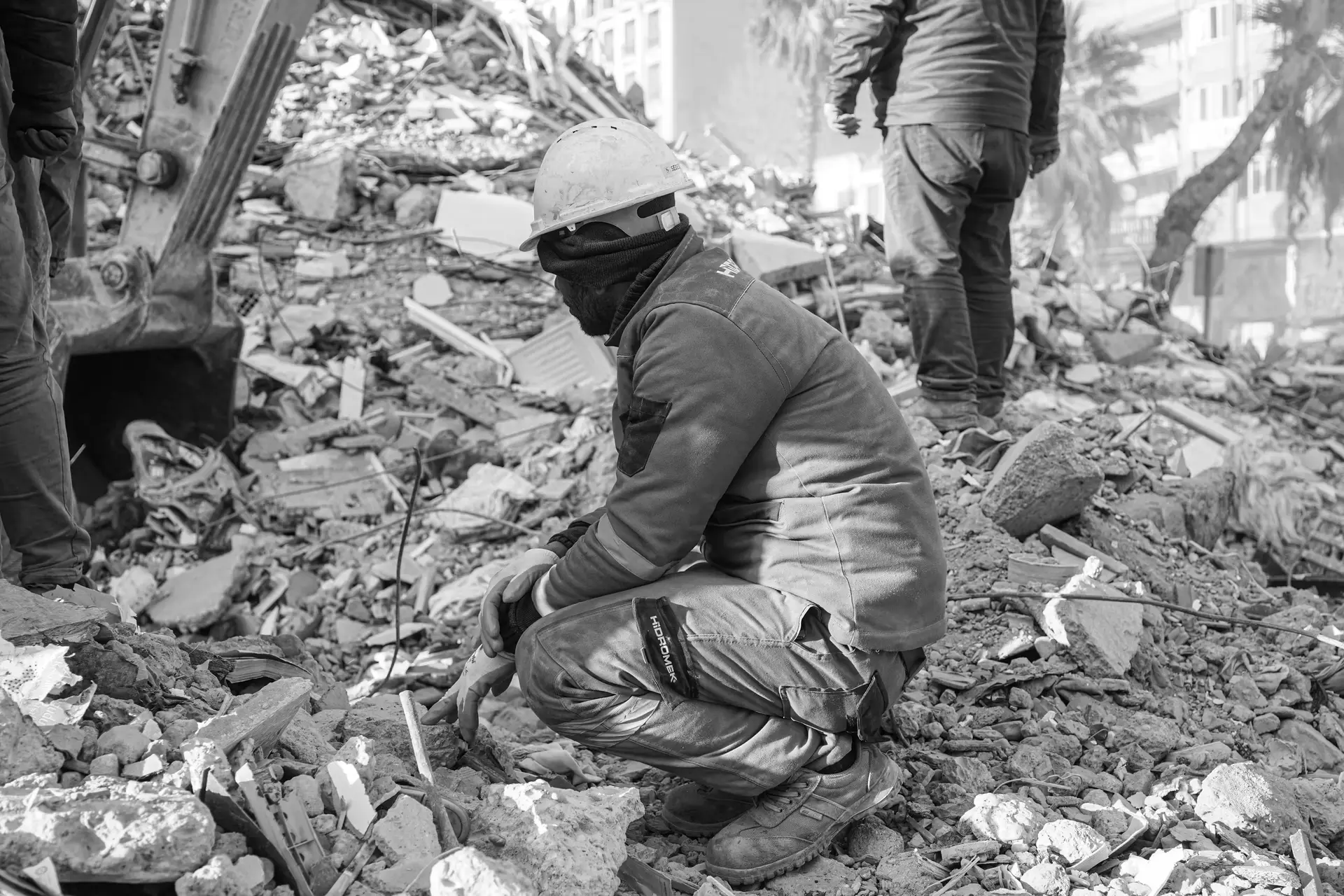
War in the twenty-first century is rarely fought solely with artillery; it is equally waged by suffocating basic infrastructure. In the government-held city of Taiz, the renewed blockade enforced by Houthi forces since early October has reduced medical care to a stark exercise in arithmetic. At the Republican Hospital, doctors have been forced to slice kidney dialysis sessions from four hours down to two and a half, attempting to stretch evaporating supplies of specialized solutions and generator fuel across 270 regular patients.
The tactical logic of the siege is as blunt as it is devastating. By severing key arterial supply lines, including the critical road connecting Taiz to the southern port city of Aden, blockading forces have choked off the delivery of essential supplies usually provided quarterly by the Yemeni Ministry of Health. Across the entire governorate, where 1,110 patients rely on roughly 210 dialysis sessions daily, the healthcare network is grinding toward a complete standstill.
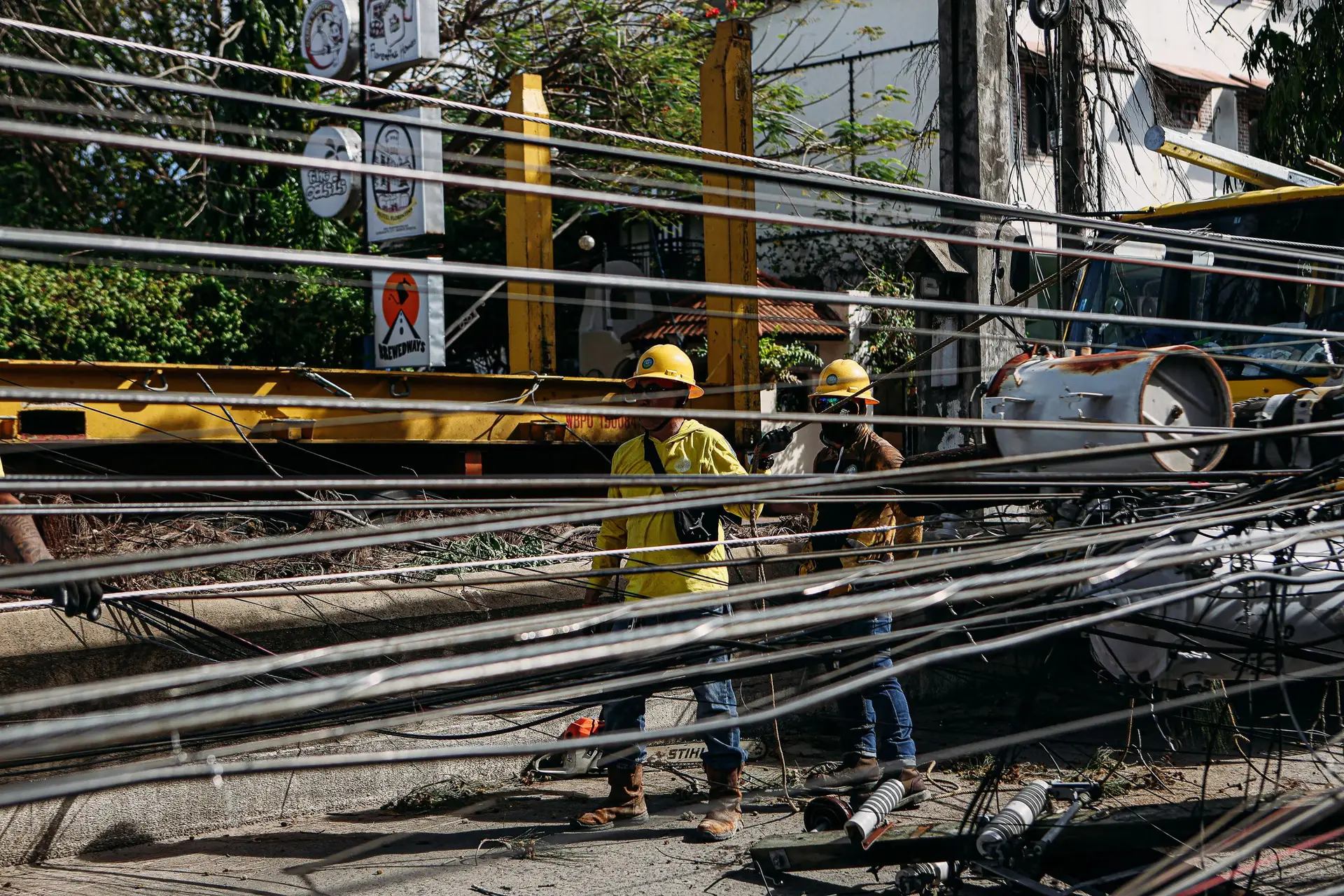
Without a functioning municipal power grid—destroyed during eleven years of conflict—hospitals rely entirely on diesel generators. To keep ambulances running, oxygen plants generating, and incubators powered, the governorate’s facilities require at least 156,000 liters of fuel every month. With official reserves depleted in the early days of the renewed blockade, administrators now buy fuel on the black market at five times the pre-siege price.
The financial strain flows directly down to vulnerable patients. Approximately half of standard medicines are now out of stock at the Republican Hospital, while prices for remaining drugs have doubled. Diagnostic capacity has collapsed as laboratory reagents have fallen to between 10 and 15 percent of normal levels. Meanwhile, ongoing shelling around Taiz continues to funnel fresh casualties into emergency rooms that lack sufficient anesthetics, intravenous fluids, and surgical tools.
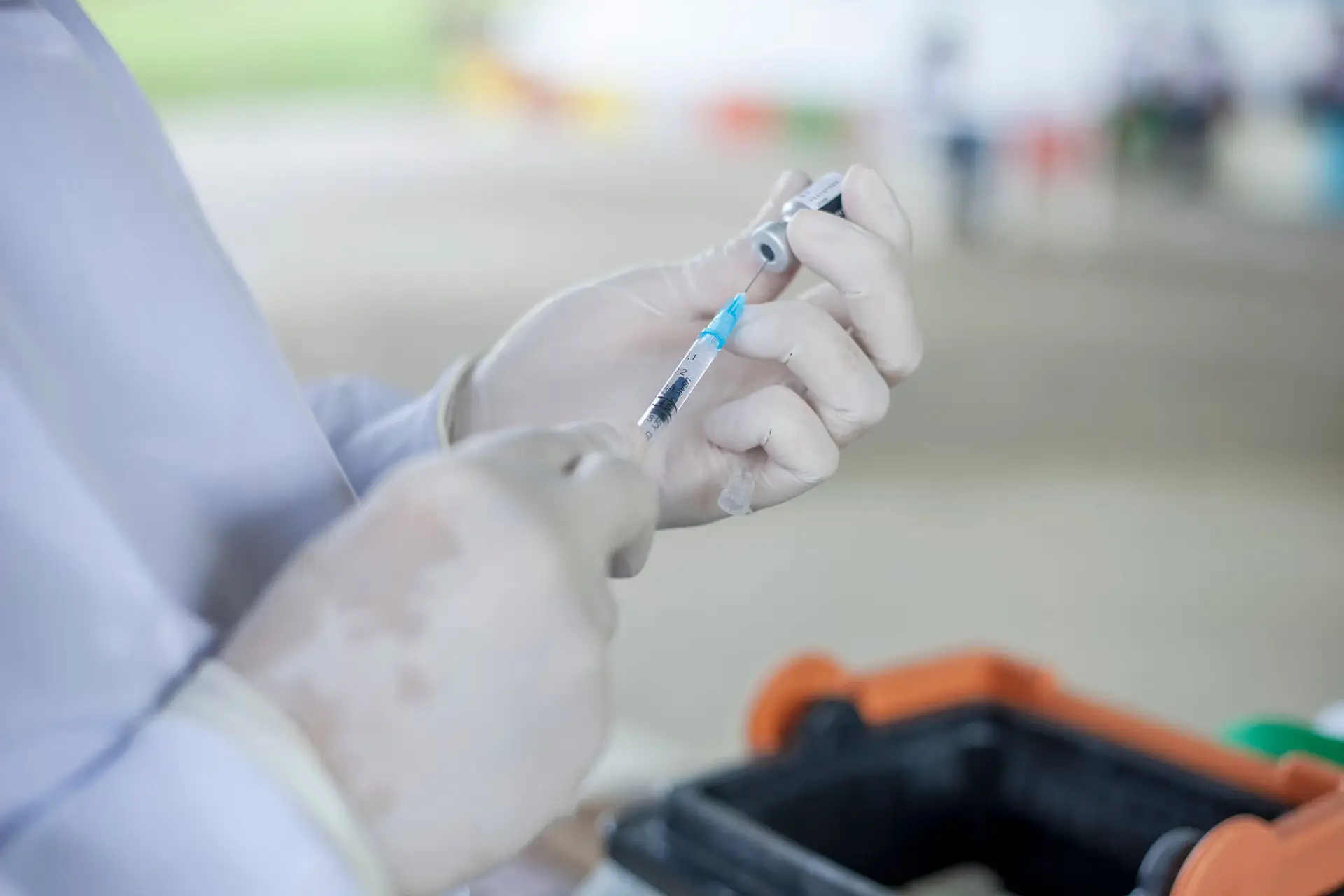
Predictably, international bodies have issued their usual chorus of alarm. The World Health Organization confirmed that 42 health facilities in Taiz city face severe shortages, warning that fuel deficits threaten vaccine refrigeration, water sanitation, and oxygen production. Amnesty International and the United Nations have called for the immediate opening of vital transit routes to avert total collapse. Yet, as logistics bottlenecks remain firmly locked, medical staff in Taiz are left weighing available fuel by the liter and human life by the hour.
Written by Freya Stensrud freya.stensrud@alpineweekly.com