Oct 24, 8:01 AM
France’s Permanent Crisis: 70,000 Police Officers Cannot Mask Economic Stagnation
As public debt surges and protests return to the streets, Paris relies on law enforcement to manage structural decline.
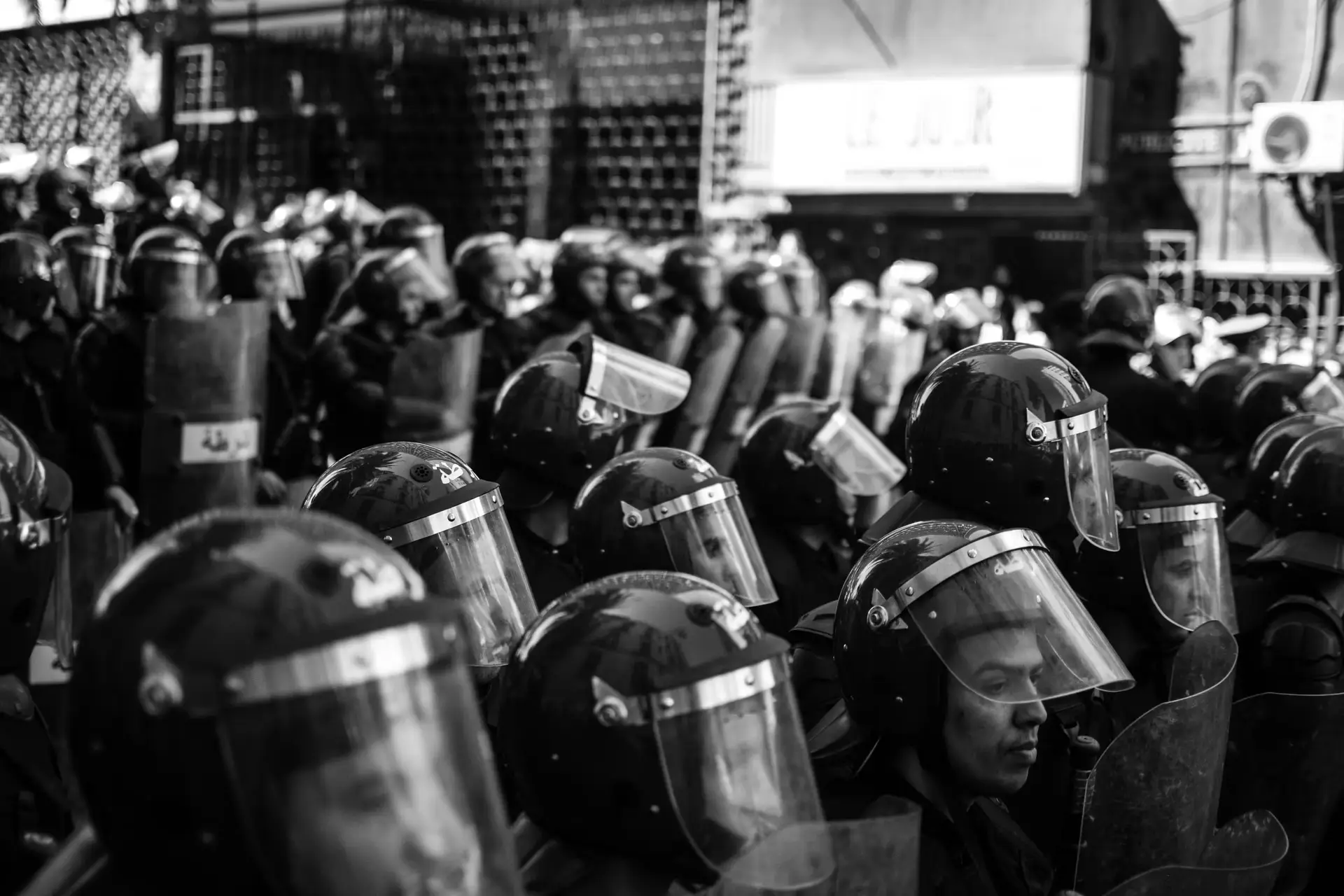
Boarding up the windows of the Louvre and rescheduling professional football matches have become standard administrative procedures in modern France. Faced with yet another wave of nationwide unrest just a week after arson and looting swept the country, the government in Paris has once again turned to its preferred remedy: sheer force.
Seventy thousand police officers are being deployed across French cities to contain over five hundred planned demonstrations. The discontent, initially rekindled by student organizations, has rapidly expanded into a broader anti-government surge. The revived yellow vest movement is back on the streets, rallying left- and right-wing elements around a single demand: the resignation of President Emmanuel Macron.
The severity of the previous weekend’s turmoil—which saw police vastly outnumbered as rioters torched the historic town hall in Limoges—forced the judicial system into overdrive. Fast-track court hearings have already seen over eleven hundred people appear before judges, with two hundred and thirty-two handed prison sentences. Interior Minister Laurent Nuñez warned ahead of Saturday's marches that authorities will not let anything go unchallenged, promising an uncompromising stance against looters. Justice Minister Gérald Darmanin is pushing further, seeking punitive measures that would strip convicted rioters of their voting rights and social media access.
Yet massive law enforcement deployments do little to alter the underlying arithmetic. French taxpayers are feeling the pinch of living costs while facing warnings that future governments must enact sweeping spending cuts to manage spiralling levels of public debt. A paralyzed political environment only fuels the frustration. With Macron set to step down next spring, his centrist faction is rapidly losing ground, leaving voters a bleak choice between Jean-Luc Mélenchon’s radical left and Marine Le Pen’s hard right.
With left-wing activists converging on Orléans to challenge a National Rally conference, the state’s heavy-handed policing looks less like an assertion of strength and more like a permanent crisis management strategy. Deploying tens of thousands of uniforms to keep the peace can hide the symptoms of unrest, but it does nothing to cure a country bogged down by fiscal reckless spending and political paralysis.
Written by Martina Kirchner martina.kirchner@alpineweekly.com