Oct 24, 8:01 AM
The Price of Green Dogma in the Dark
When physical realities collide with ideological energy policy, northern Germany pays the bill in melted sockets.
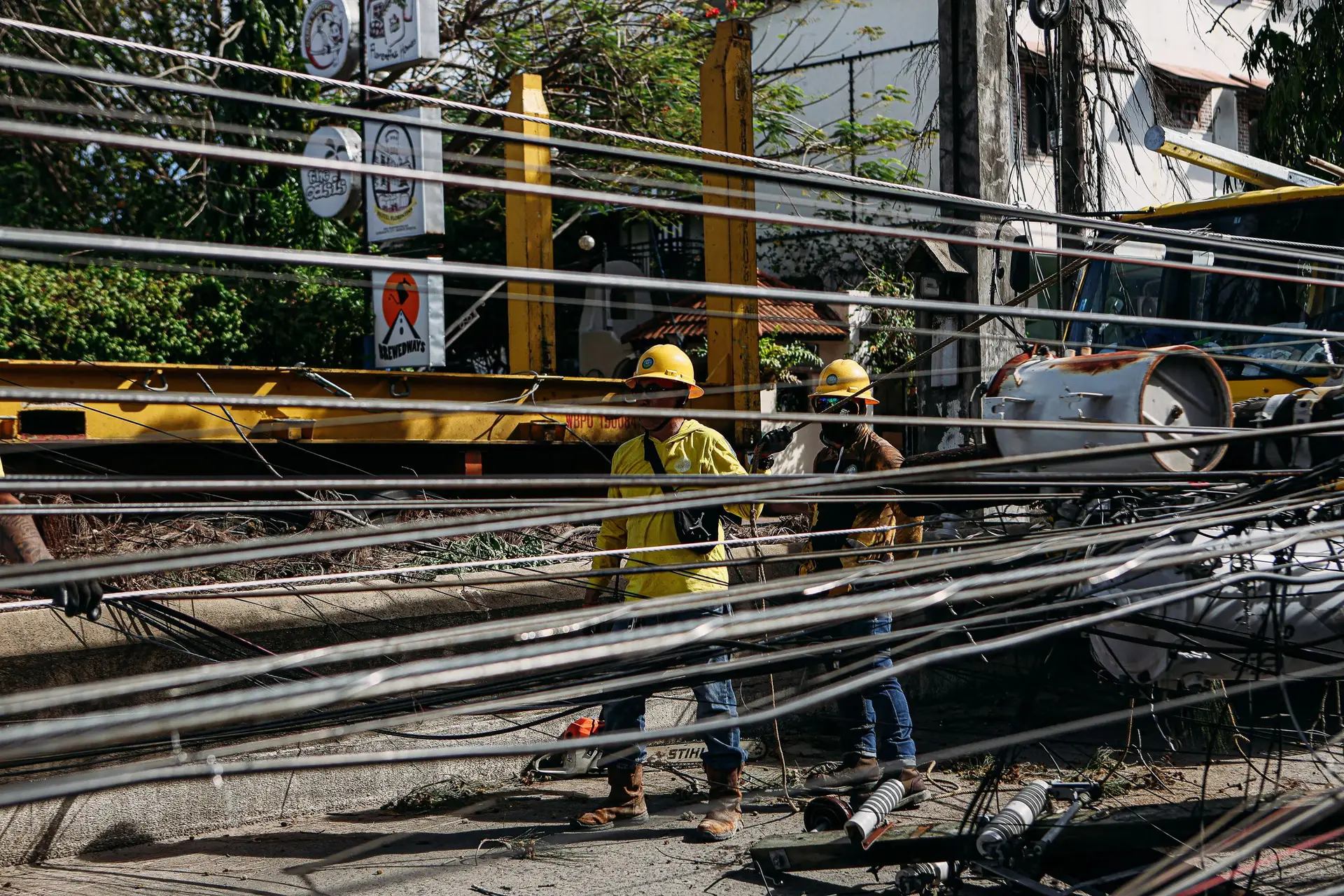
When the power grid fails, political reflexes kick in with predictable speed. Up to 40,000 households along the coast of Schleswig-Holstein recently experienced the tangible results of Germany’s grand energy experiment: burned electrical sockets, melted switchboards, and destroyed home appliances. In Schafstedt, heating systems failed in elder-care facilities, while a residential home caught fire from a severe overvoltage surge in the 110-kilovolt network.
Before the actual cause was even understood, officialdom looked for convenient scapegoats. Schleswig-Holstein’s Interior Minister Magdalena Finke quickly offered dark hints of external sabotage or hybrid threats, invoking memories of left-wing attacks on infrastructure in Berlin. It is far easier to blame phantom saboteurs than to confront the physical realities of an overburdened, volatile power grid. Operator SH Netz later conceded there was no evidence of an attack, pointing instead to a complex combination of technical failures.
What politicians prefer to ignore is the sheer volume of chaotic energy forcing its way through regional lines. On the day of the blackout, the rural district of Dithmarschen was generating roughly five times more wind power than its local market could absorb. To keep the regional grid from collapsing beforehand, SH Netz had to intervene aggressively, throttling down 523 megawatts of power across 370 renewable energy facilities in a single 24-hour window. As energy expert Fritz Vahrenholt observed, routing such massive, unpredictable surpluses through existing 110-kilovolt lines subjects regional infrastructure to extreme pressure.
The state’s Energy Ministry, headed by Green politician Tobias Goldschmidt, predictably maintains that renewable energy had nothing to do with the incident. Such official assurances ring hollow in a system that now requires constant, costly interventions just to maintain equilibrium. The traditional grid was designed for controllable, centralized power plants whose heavy turbines naturally stabilized network frequencies. Today, operators are forced into endless emergency juggling acts to balance erratic supply with fluctuating demand.
Germany’s relentless transition toward weather-dependent power has turned a once-world-class infrastructure into a brittle experiment. Demanding that a historical power network carry massive, unpredictable loads across vast distances without adequate expansion inevitably invites structural fatigue. As state planning continues to clash with the laws of physics, citizens are left to collect the bill for ruined appliances and cold radiators.
Written by Freya Stensrud freya.stensrud@alpineweekly.com