Oct 18, 8:00 PM
The Enemy Inside the Cockpit
An axe attack at 30,000 feet exposes the dangerous flaw in modern aviation security.
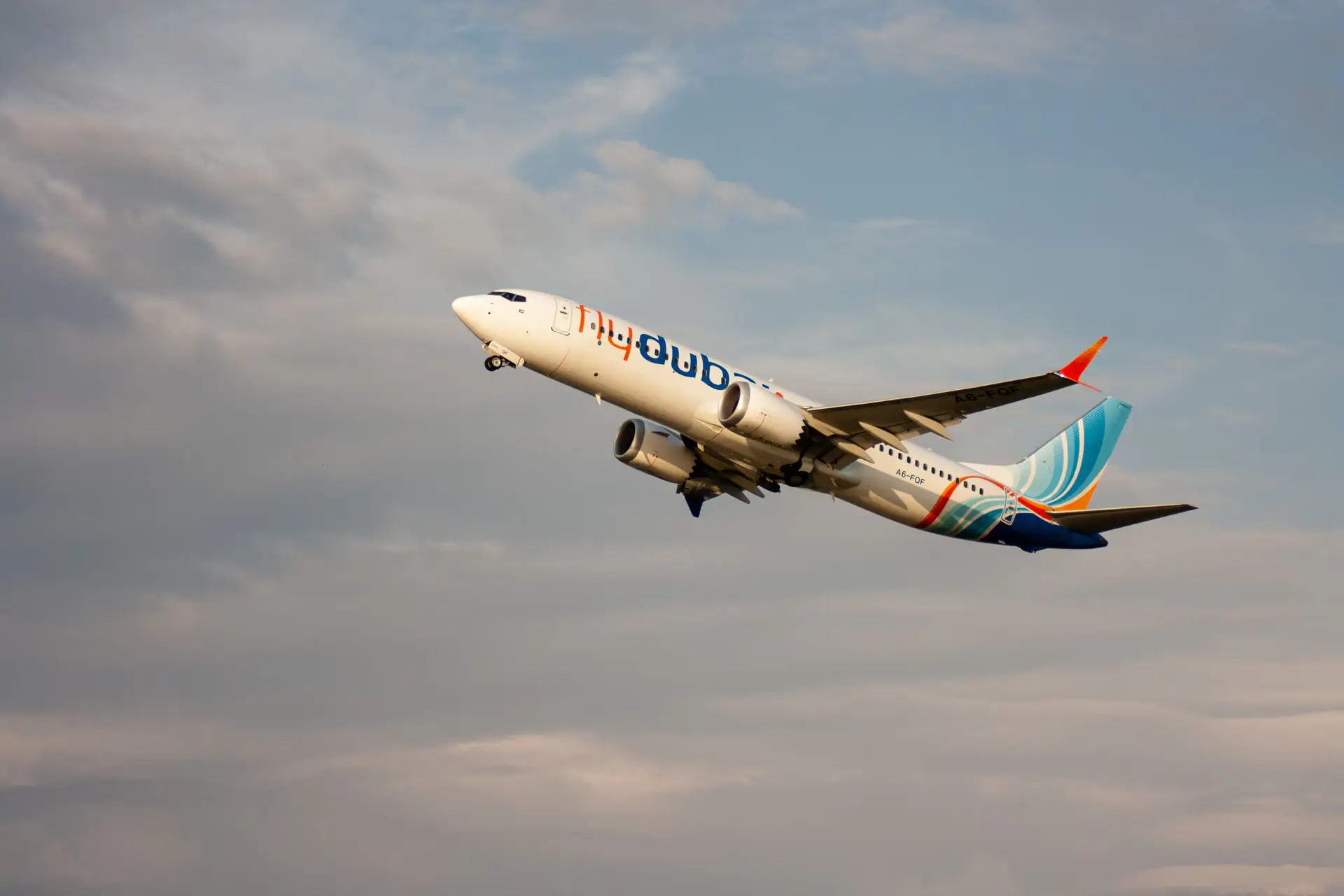
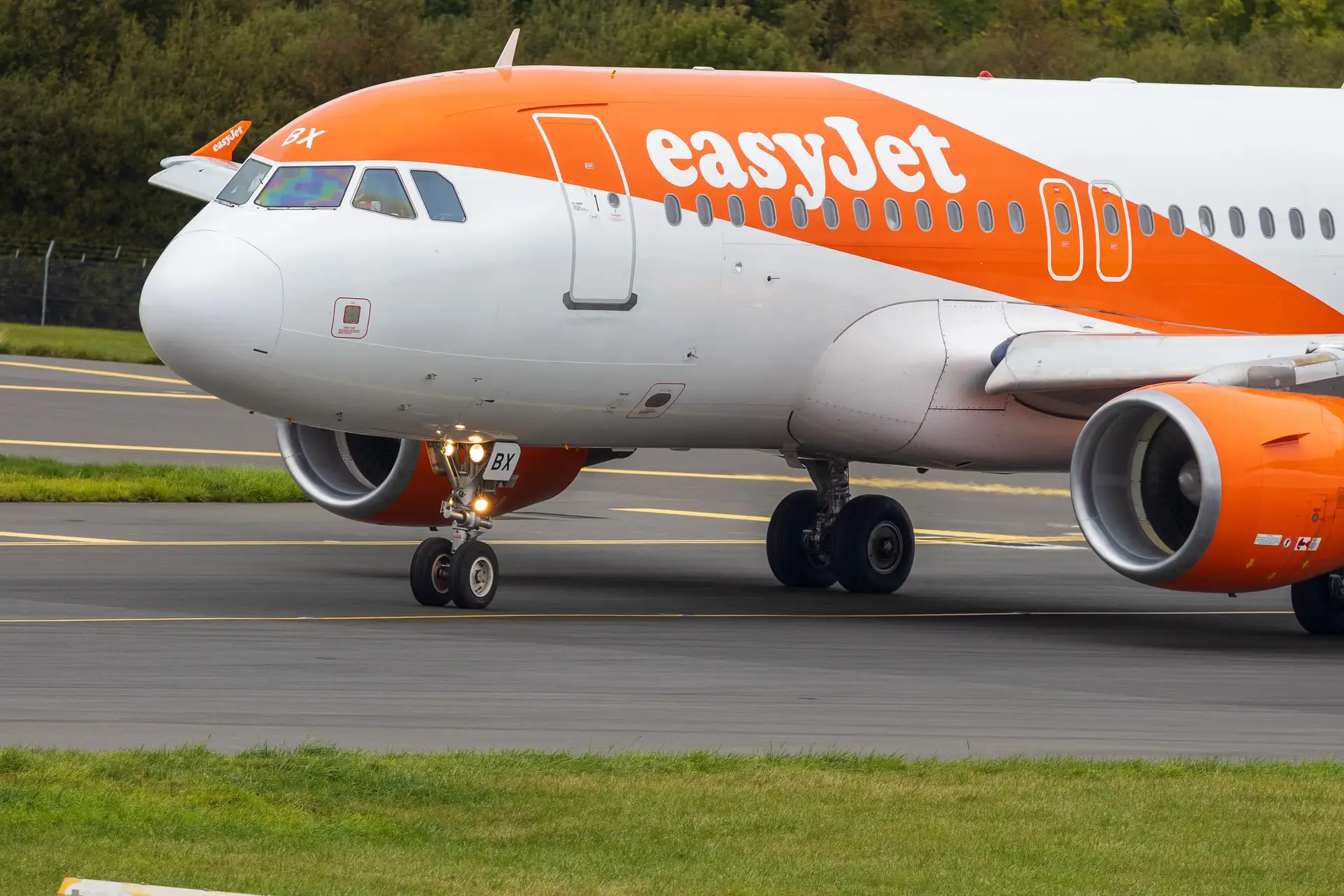
Aviation security has spent two decades perfecting the art of distrusting the passenger. Shoes are removed, liquids measured in millilitres, and fortified cockpit doors installed to keep the chaotic world outside at bay. Yet, as Flight FZ1073 demonstrated over Saudi airspace, the most impenetrable defenses mean little when the threat is already holding the controls.
During what should have been a routine flight from Dubai to Tel Aviv, Captain Smit Machchhar found himself fending off an axe attack from his own co-pilot. The assailant, an Omani national, was wielding a heavy crash axe—an emergency tool routinely stowed inside the cockpit—with the explicit intention of bringing down the airliner. According to UAE public prosecutors, the plan was an attempted suicide attack inspired by September 11, aimed directly at Tel Aviv’s Ben Gurion airport.
What followed was thirty seconds of sheer terror. As Machchhar shielded his head with his arm and reached frantically for the cockpit door release, the aircraft nose-dived steeply, plunging 16,000 feet in half a minute. Despite suffering severe head and arm injuries, the captain managed to unlock the door while shouting for assistance. The commotion alerted two additional pilots who happened to be on board, enabling them to burst into the flightdeck, overpower the attacker, and regain control of the plummeting jet.
The aircraft was safely diverted and landed in Saudi Arabia, where the suspect was taken into custody before being transferred to the United Arab Emirates to face criminal investigation. From a hospital bed in Abu Dhabi, his head and arm wrapped in bandages, Machchhar later recounted how initial confusion gave way to the immediate realization that he had to free himself from his harness and endure the blows long enough to summon help. His ordeal earned him a hospital visit from Dubai’s Crown Prince Sheikh Hamdan bin Mohammed bin Rashid Al Maktoum and widespread commendation for preventing a catastrophic loss of life.
Yet beyond the individual heroism lies a troubling structural paradox. The very measures implemented post-2001 to insulate the flight deck have created a black box where authority is absolute and oversight near-impossible once the door locks. When mental instability or ideological radicalization slips past airline vetting procedures, the pilot’s cabin becomes a fortified trap. How many regulatory audits or screening checklists can truly guarantee the state of mind of the person sitting at the yoke? As airlines continue to automate and streamline, Flight FZ1073 exposes how high-tech safeguards remain entirely reliant on the unpredictable sanity of human operators.
Written by Freya Stensrud freya.stensrud@alpineweekly.com