Oct 18, 8:01 PM
France’s Familiar Ritual of Fire and Speechmaking
With 800,000 on the streets and hundreds arrested, Emmanuel Macron faces the predictable aftermath of a nation in fiscal and political paralysis.
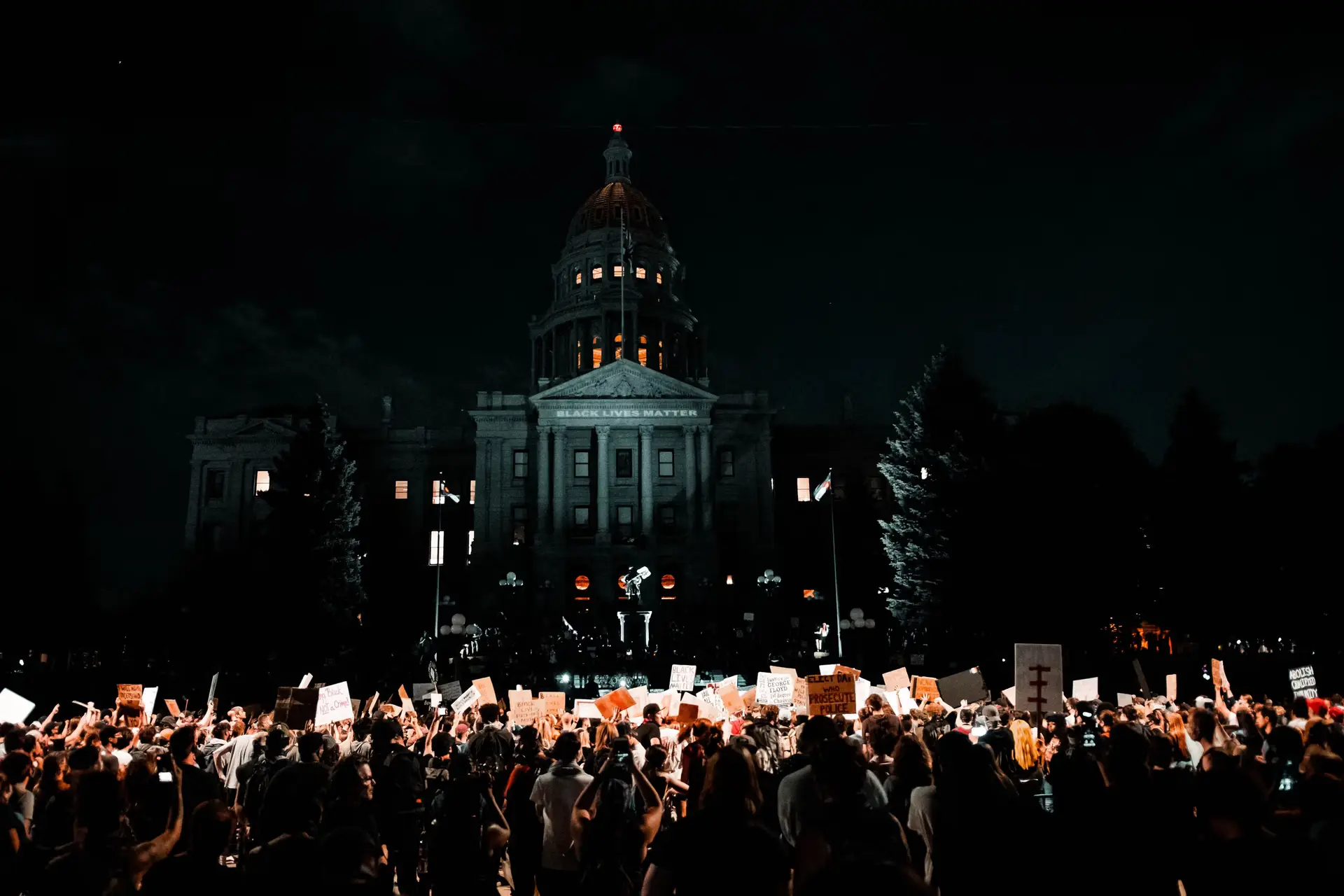
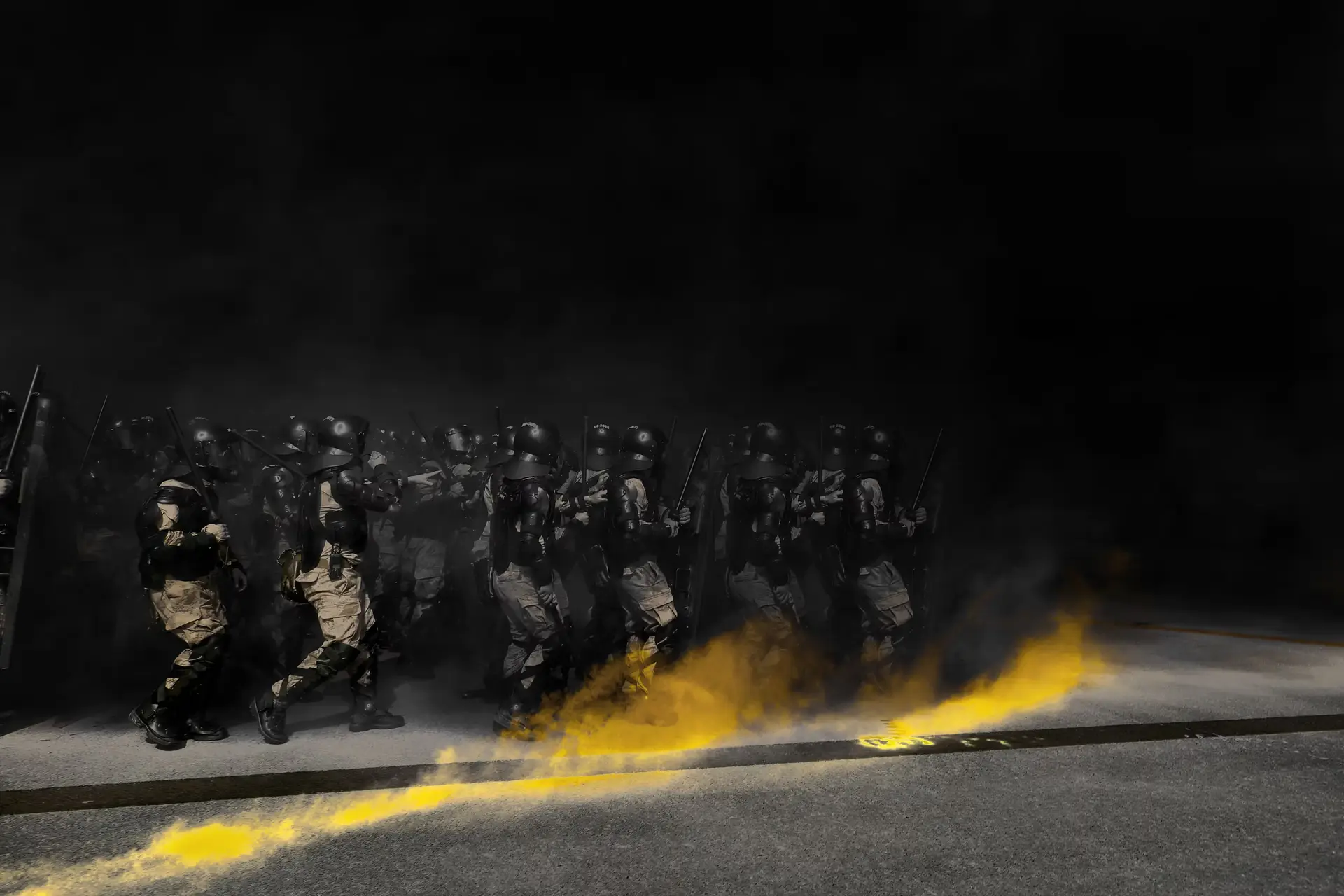
When nearly a million citizens march through the streets, tear gas fills the boulevards, and 1,800 people end up in police custody, the French political apparatus falls back on its most reliable reflex: a presidential address. Emmanuel Macron prepares to take to the airwaves once more, tasked with explaining why the fifth-largest economy in the world cannot manage basic public services or keep shopfronts intact.
The weekend’s violent outburst was as predictable as it was destructive. An estimated 800,000 demonstrators—a potent cocktail of labor unions, students, and revived Yellow Vest activists—converged across the country to voice anger over crumbling school conditions and a relentless cost-of-living crisis. Yet, predictably, legitimate grievances quickly metastasized into street chaos. Clashes with law enforcement escalated dramatically, leaving one protester with a severed hand after being struck by a police crowd-control grenade.
Beyond the clashes, the breakdown of civil order took its usual economic toll. Opportunistic mobs looted businesses with casual zeal, raiding everything from neighborhood bakeries and supermarkets to high-end electronics stores. That small business owners are forced to board up their shops to survive state-induced economic stagnation and street riots says everything about the current state of the republic. Protesting against government austerity has become a self-fulfilling prophecy in a nation where state intervention is perpetually demanded yet fiscally exhausted.
As Macron prepares his speech, the structural trap facing Paris grows tighter. Reconciling public demands for endless subsidies with the reality of state finances is a mathematical impossibility that no eloquent televised address can resolve. Burning luxury goods and pillaging local bakeries will hardly lower the price of butter or fix classroom ceilings. France remains caught in a familiar cycle of fiscal denial, where necessary economic adjustments are met with cobblestones, and leadership consists primarily of managing crises after the damage is already done.
Written by Martina Kirchner martina.kirchner@alpineweekly.com