
Oct 23, 10:02 AM
The End of the Manhattan Trot
New York City moves to outlaw Central Park’s horse carriages by 2028, pitting urban safety against tourist nostalgia and union resistance.
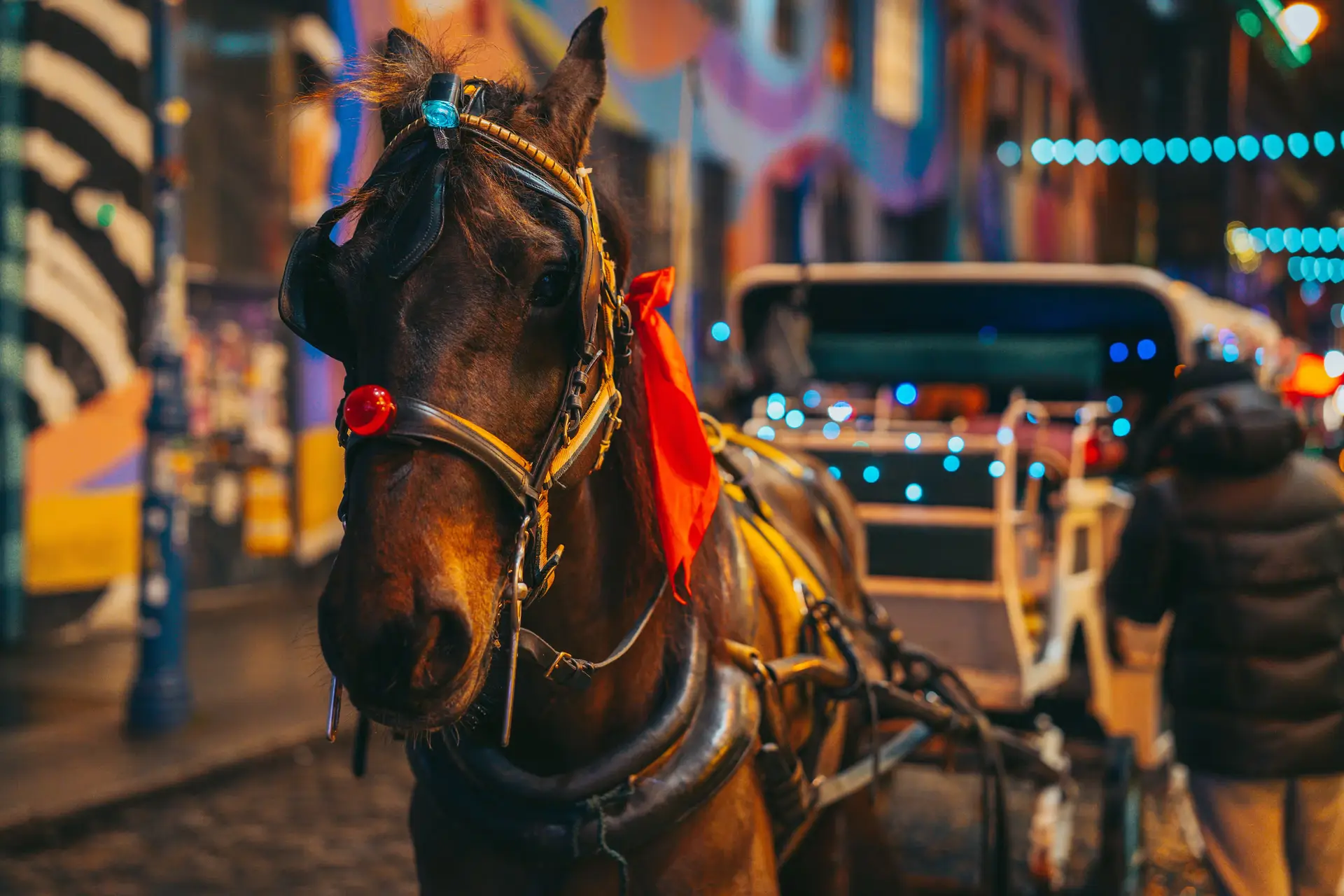
For generations, Hollywood sold the romance of Central Park from the back seat of a carriage. From classic cinema to modern television dramas, the image of horses trotting down Manhattan pathways at $150 for forty-five minutes was a fixture of urban mythology. That romantic imagery has now officially run into the realities of municipal regulation. The New York City Council has voted to ban horse-drawn carriages by June 2028, setting an expiration date for an industry rooted in the mid-nineteenth century.
The vote follows nearly two decades of persistent public argument. Critics have long pointed to horse collapses, animal suffering, and chaotic street escapes, while defenders stressed preserved heritage and local employment. Yet the tipping point came during a disastrous summer season. In June, an eighteen-year-old tourist from India was killed after a carriage horse broke loose and bolted. Coupled with the deaths of several horses, the incident forced the hand of the Central Park Conservancy, which manages the park and its forty-two million annual visitors. The organization threw its weight behind the prohibition, declaring it a matter of public health and safety.
Phasing out a traditional trade is rarely simple in New York. The legislation grants the industry a multi-year wind-down until mid-2028, designed to help roughly 150 active drivers transition to alternative work. City Council Speaker Julie Menin indicated that officials are exploring potential compensation for license holders. In addition, the bill imposes strict post-ban mandates for the park's nearly 200 horses, forbidding owners from selling them for slaughter or transferring them to other carriage operators.
The timeline now depends on legal and executive hurdles. The Transport Workers Union, representing the drivers, has pledged legal action to defend their livelihoods. Meanwhile, the bill awaits the signature of Mayor Zohran Mamdani. Though Mamdani previously expressed support for a ban, he has raised concerns regarding protections for affected workers. New York may be ready to retire a nineteenth-century transport relic, but untangling the financial and legal claims will require far more than a simple vote.
Written by Christiane Hofreiter christiane.hofreiter@alpineweekly.com