
Oct 23, 10:01 AM
The Illusion of European Sovereignty
Calls for a war economy expose the European Union's deep financial and bureaucratic fractures.
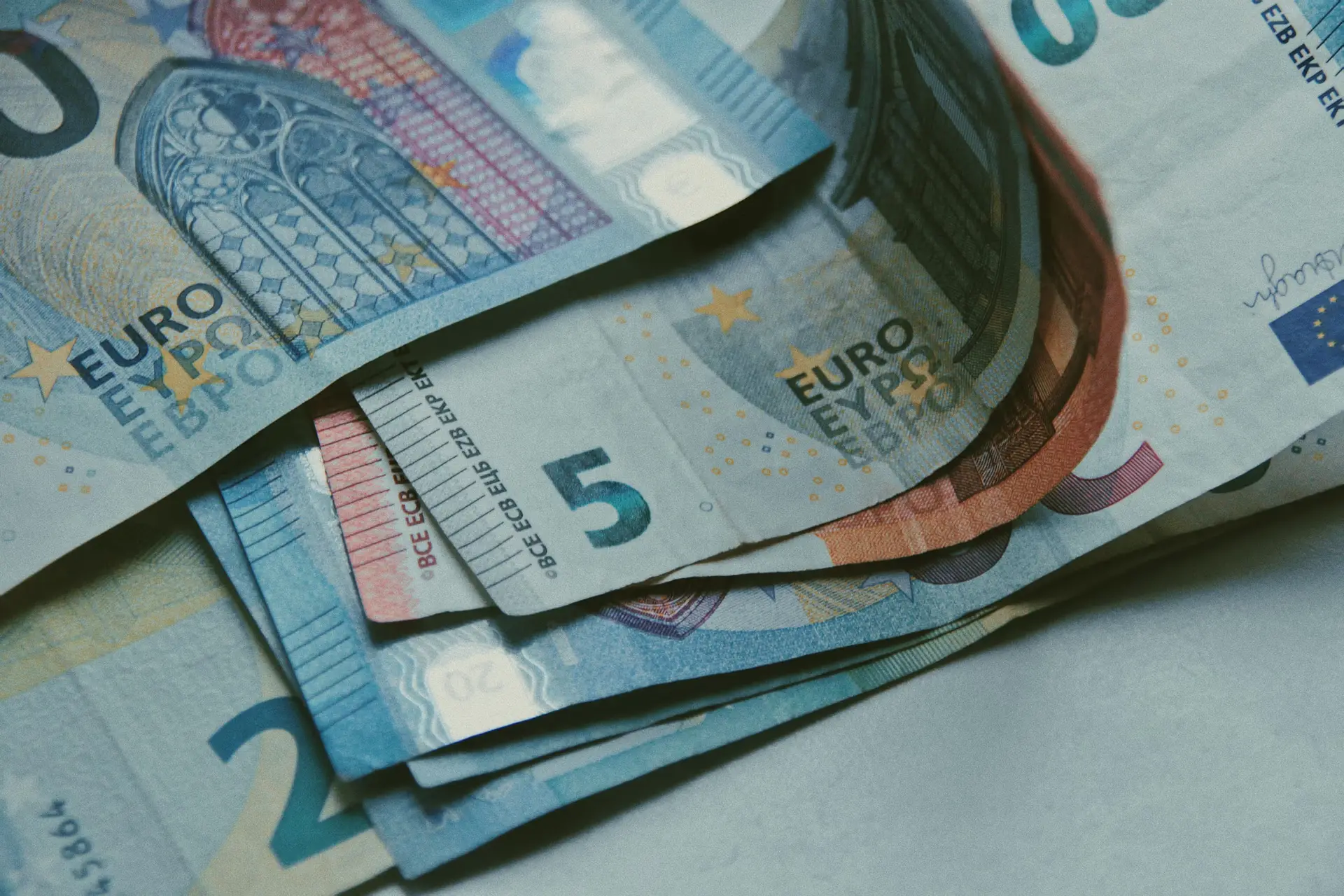
Whenever a crisis looms over the Continent, the European Union predictably responds with its favorite tool: debt and administrative grandiosity. With American backing under President Donald Trump turning increasingly fickle, European policymakers are once again proposing massive shared borrowing frameworks to fund a defense state. The rhetoric calls for building a war economy. The structural reality, however, tells a far more sober story of an over-bureaucratized bloc struggling with its own self-imposed limitations.
To be sure, Brussels has shown an ability to improvise financially. Building on the 750-billion-euro NextGenerationEU recovery fund created in 2020, the EU provided an 18.1-billion-euro portion of the G7's loan package in 2024 and finalized a new 90-billion-euro facility for Ukraine this April without Washington's backing. Yet these measures remain piecemeal improvisations rather than evidence of systemic strength.
The contrast with the United States is telling. American defense innovations, such as SpaceX's Starlink network under CEO Elon Musk, stem from deep and liquid capital markets that allow private enterprise to scale critical military technologies long before they show financial returns. In Europe, by contrast, unified capital markets remain an unfulfilled blueprint. Instead of dynamic private capital, European defense technology depends on political bargaining and state funding.
Worse still, individual member states present their own structural vulnerabilities. Highly indebted nations like France lack the fiscal room to maneuver comfortably, while Belgium hesitates to leverage frozen Russian sovereign assets at Euroclear out of fear of legal repercussions and reputational damage to its financial institutions. Meanwhile, Austria’s economic linkages with Moscow continue to complicate policy: after a Russian court decision saw 2.1 billion euros taken from Raiffeisen Bank’s local subsidiary to compensate Rasperia, a firm linked to Oleg Deripaska, a Vienna court permitted the bank to seek recovery from frozen assets in the EU.
Sanctions policy exhibits similar contradictions. While Brussels boasts of record-length sanctions listings, pipeline gas imports from Russia remain permitted until autumn 2027. Despite Russian oil exports standing at roughly 6.5 million barrels per day in September and LNG exports reaching 43 billion cubic meters last year, European efforts to sever ties completely are constantly diluted by internal compromises. Can a bloc that takes years to phase out basic energy imports truly manage a centralized defense industrial complex?
Until European leaders address their alarming public finances and replace bureaucratic hesitation with genuine capital market integration, calls for a war economy will remain little more than rhetorical posturing. True defense capability requires more than joint debt instruments and administrative declarations. Without structural economic reforms, Europe will continue to mistake financial leverage for strategic power.
Written by Sandy van Dongen sandy.vandongen@alpineweekly.com