Oct 22, 6:01 AM
Sydney's Administrative Wave: How to Solve a Whale Problem by Doing Nothing
When a rotting humpback closes Coogee and Maroubra, Randwick Council chooses cultural protocol and municipal retreat over heavy machinery.
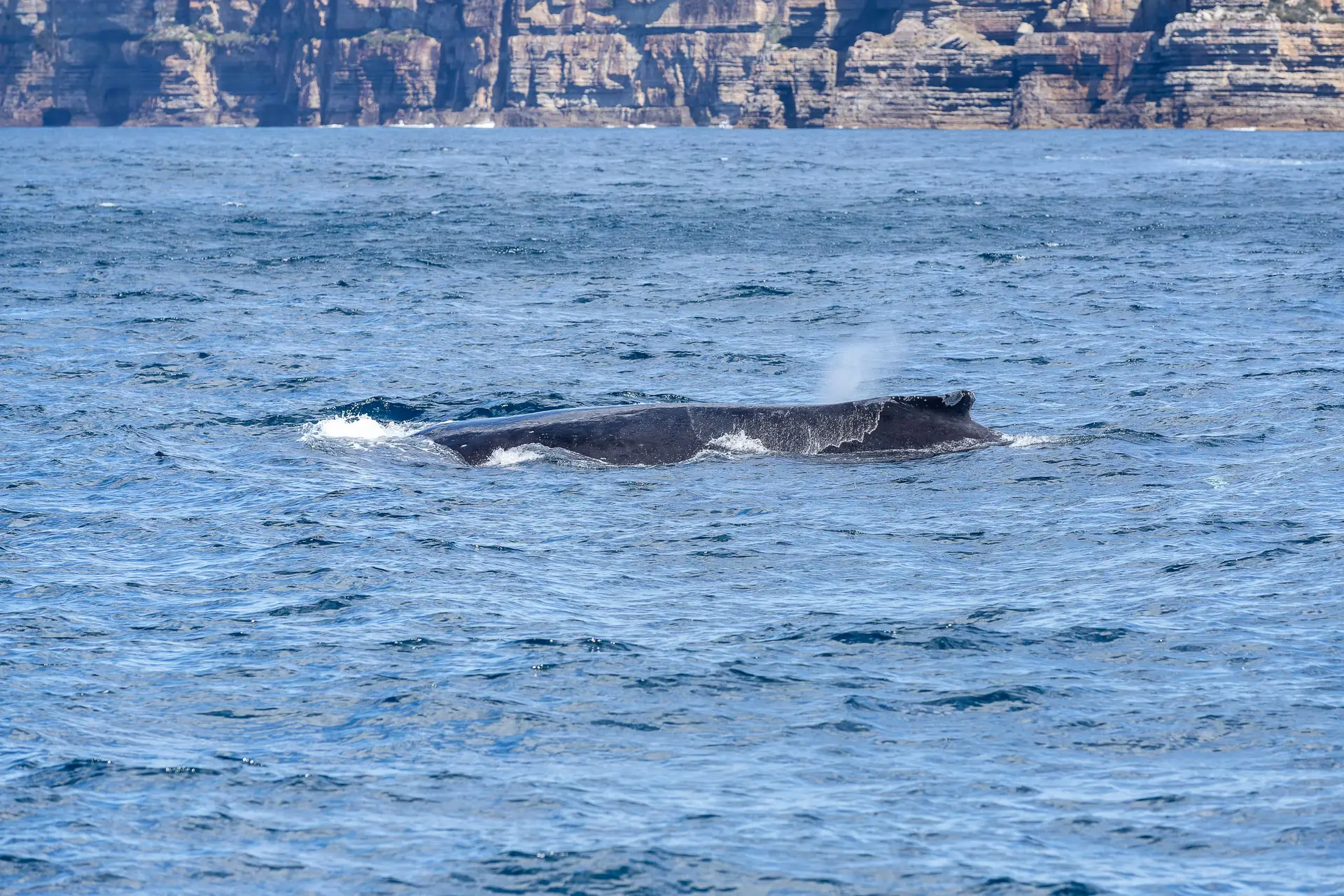
When a rotting juvenile humpback whale washes up in a rocky cove in Sydney's eastern suburbs, one might expect a swift municipal cleanup. Instead, local administration has chosen the path of enlightened passivity. Randwick City Council swiftly shut down two of the city’s most prized coastal spots, Coogee and Maroubra, leaving the ocean scavengers to handle what civil engineers apparently prefer not to.
The decomposed sea mammal made its final landfall at Lurline Bay, wedged tightly into a rock crevice. Randwick Council Mayor Dr Clare Willington publicly declared that the area had been cordoned off to leave the creature in peace, adding that nature would eventually deal with the carcass. To manage the inevitable fallout, the council asked Surf Life Saving to initiate supplemental drone patrols across the shoreline—a purely precautionary measure, given that no surge in shark activity had actually been detected.
The decision to leave the decaying biological hazard where it landed is not merely a vote of confidence in natural degradation. It is also an exercise in cultural diplomacy. The whale serves as a significant totem animal for the local Bidjigal people. Gamay Rangers manager Robert Cooley pointed out that previous administrative decisions to haul beached marine life off to municipal landfills had caused considerable distress within his community. Consequently, any intervention requires delicate consultations with cultural advisors.
Nature, however, seems unbothered by local bureaucracy. A persistent north-easterly wind and coastal swell have been steadily shoving the remains further up into the rocks, making a spontaneous seaward retreat on the rising tide unlikely. The ropes trailing from the carcass point to an earlier, failed attempt to tow the creature out to sea off Manly’s northern beaches a day prior.
Unsurprisingly, the cordons have turned Lurline Bay into an impromptu gallery for coastal morbid curiosity. Onlookers gathered along the cliffs to inspect the stranded leviathan, expressing mild disappointment at its state of decay. Local resident Glenda admitted she had expected a somewhat more complete specimen, while Meeri Pajala, a Finnish au pair currently residing in Sydney, observed with typical Nordically detached pragmatism that the creature’s strange skin made it look almost fake.
While Sydney authorities wait for high tides or biological breakdown to resolve their suburban inconvenience, police on the other side of Bass Strait face a somewhat more active marine dilemma, attempting to free a live whale stranded in shallow waters off Turners Beach in Tasmania. In the capital of New South Wales, however, the official policy remains firm: lock the beach gates and let nature take its course.
Written by Andreas Hofer andreas.hofer@alpineweekly.com