Oct 22, 6:01 AM
Germany's Revolving Door for Terror Suspects
A raid in North Rhine-Westphalia against suspected IS sympathizers ends with two Syrian suspects released within fifteen hours.
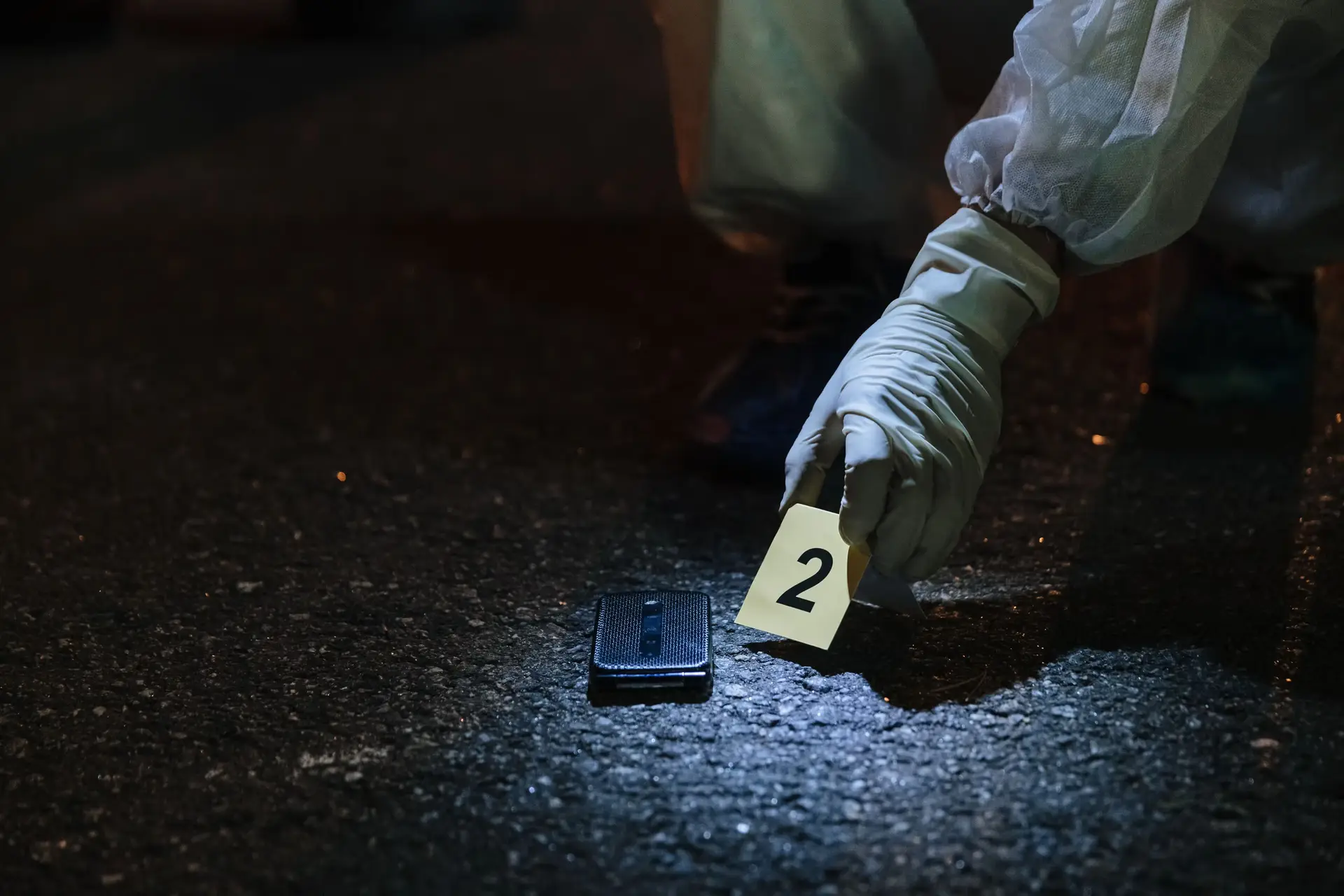
It took special tactical police units months of preparation and a coordinated evening raid in Hagen and Unna to detain three men suspected of plotting an Islamist terror attack. It took the local court in Hagen a mere fifteen hours to order two of them released back onto the streets.
The target of the October 1 operation was an emerging cell with alleged ideological ties to the Islamic State. Domestic intelligence in North Rhine-Westphalia had monitored the group since early this year, tracking their radicalization as they exchanged weapon-related attack plans online. The suspects included a 23-year-old German convert to Islam from Unna, alongside two Syrian nationals, aged 20 and 24, residing in Hagen. When intelligence officials determined that abstract discussions were verging on actionable planning, police intervened.
What followed illustrates the bewildering schizophrenia of the German security apparatus. To prevent potential violence, police requested extended preventive detention under the state police law. The local court in Unna granted the request for the German convert, eventually extending his custody further in mid-October. The local court in Hagen, however, summarily rejected the application for the two Syrians. By late morning on October 2, both walked out of the police station. Citing state security regulations, the court subsequently declined to explain its reasoning.
The official narrative from state leadership provides little comfort. Markus Gemünd, head of the state security department at the NRW Interior Ministry, informed a parliamentary committee that while an attack was not immediately impending, it could have materialized in close spatial and temporal proximity. Interior Minister Herbert Reul casually noted that the men had lost themselves in attack fantasies.
The plot thickened two weeks later when authorities raided the apartment of a 19-year-old German-Kosovar in Hagen, seizing data storage devices under suspicion of violations against the War Weapons Control Act. In a curious twist of judicial consistency, the very same court in Hagen approved preventive custody for the new suspect.
Citizens are left to ponder how an intelligence service can track suspected Islamic State sympathizers for nine months, only for local judges to release foreign suspects within half a day without explanation. When law enforcement agencies identify concrete terror risks but judicial bodies quietly open the revolving door, security policy becomes little more than performative theatre.
Written by Christiane Hofreiter christiane.hofreiter@alpineweekly.com