
Oct 22, 6:01 AM
The Illusion of Normalcy in Tigray
Prime Minister Abiy Ahmed promises an administrative reset, but unmanaged finances and border friction expose the limits of military dominance.
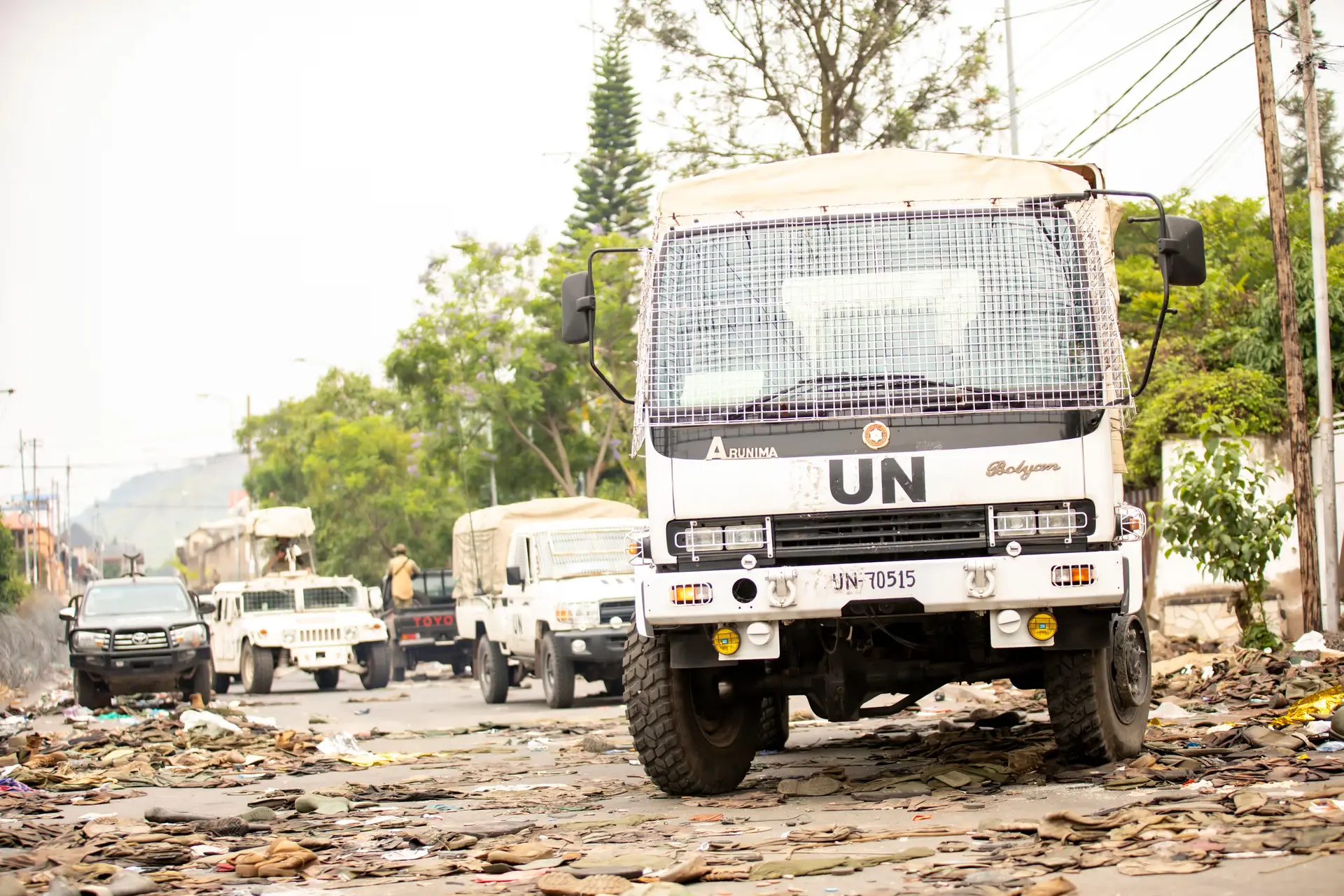
The shuttered shopfronts of Mekelle are opening once again, and local banks have unlocked their doors. Yet the appearance of returning routine in Tigray conceals an uncomfortable reality: central authority has returned, but functional statecraft has not. When Prime Minister Abiy Ahmed announced a six-month caretaker administration following the federal recapture of the regional capital on October 4, the narrative presented was one of swift administrative restoration. Re-establishing municipal stability, however, requires more than decreeing an interim leadership tasked with organizing future elections while the Tigray People’s Liberation Front remains hostile.
Consider the economic mechanics currently on display. The regional administration reported an 8.5-billion-birr shortfall earlier this year, driven by missing federal transfers. As a result, approximately 137,000 public servants have gone months without salaries, straining family savings already battered by years of warfare. Reopening a commercial bank offers little solace to civil servants who simply have no deposits to withdraw. A government that fails to meet its payroll can hardly expect local institutions to magically function under a new federal umbrella.
The state’s structural shortcomings extend directly into its human capital. The education system remains severely impaired, prompting thousands of young people to look elsewhere for basic stability. More than 5,000 university students from the region applied for temporary placements elsewhere in the country within a two-day window in September. When university students must travel to Addis Ababa to rescue their academic futures, it serves as a stark admission that regional public services have collapsed.
Complicating this fragile domestic setup is a dangerous realignment along the border. The wartime alliance that bound Addis Ababa and Asmara against the TPLF during the 2020–2022 conflict has entirely dissolved. Foreign Minister Gedion Timothewos recently informed the United Nations Security Council that Eritrean forces had advanced up to 60 kilometers into Ethiopian territory, a charge Asmara vehemently denied while framing the allegation as a declaration of war. With reports of military movements across border towns like Zalambessa and conflicting claims of territorial control, the regional power play is growing increasingly unpredictable. Installing an administrative regime in Mekelle does not resolve these macro-level security risks; it merely draws attention to them.
Written by Thorben Thiede thorben.thiede@alpineweekly.com