Jun 17, 6:01 AM
Precision in the Furnace: Switzerland Braces for Historic June Heat
With temperatures threatening a 1947 record, the Alpine nation is deploying its considerable wealth and bureaucracy to combat an increasingly familiar extreme.
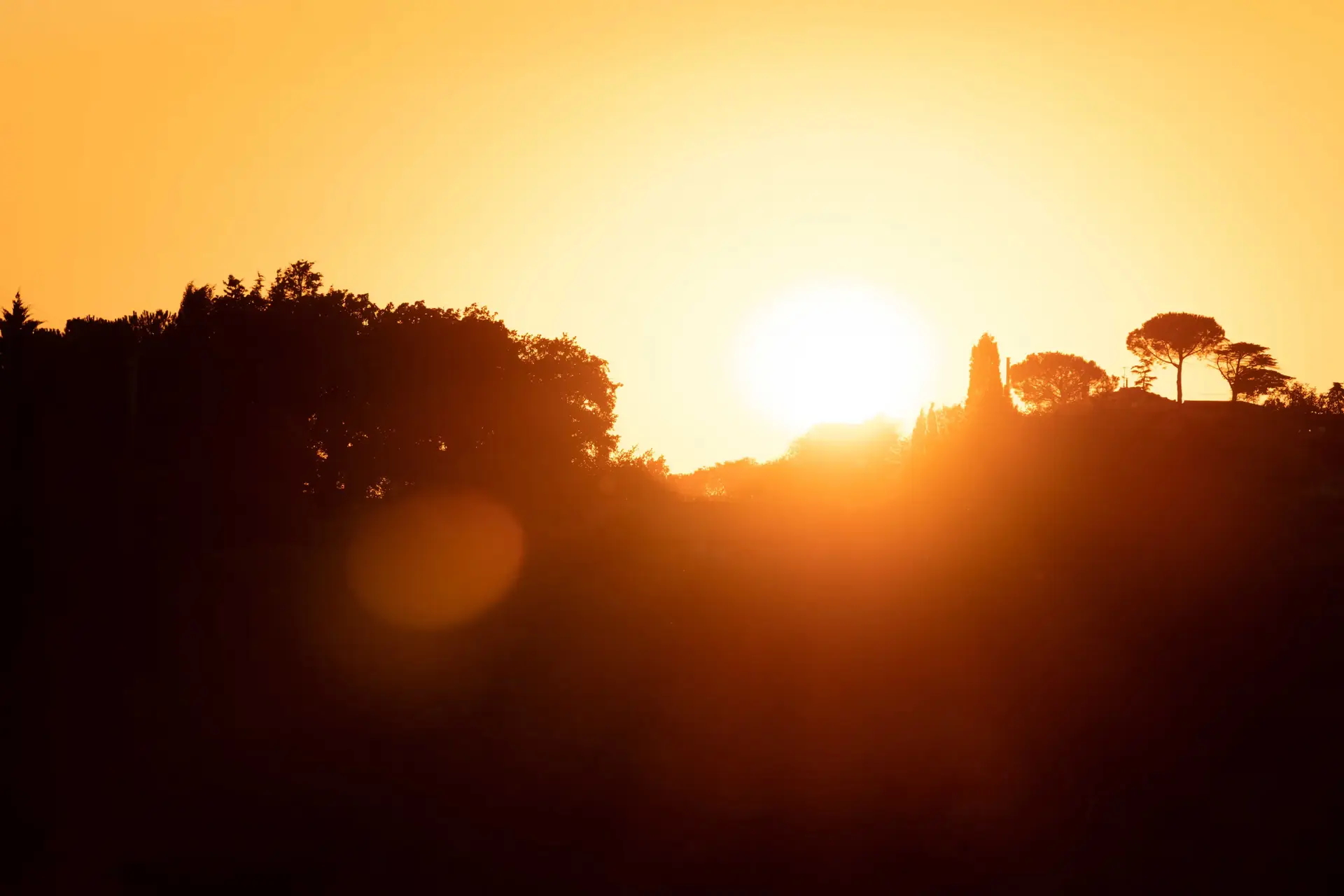
The Swiss approach to a crisis is typically to measure it, categorize it, and then build highly efficient infrastructure to manage it. This June, the meticulously ordered Alpine nation is facing a meteorological disruption that threatens to overwhelm its usual administrative calm. An extraordinary heatwave has arrived, pushing temperatures well past the thirty-degree mark and threatening to exhaust the annual quota of hot days before the summer has even properly begun.
Meteorologists at SRF Meteo have calculated that the current weather patterns represent a statistical anomaly expected only once every twenty to a hundred years. The historic June temperature record, a sweltering 36.9 degrees Celsius recorded in Basel back in 1947, is actively under threat. The country already endured a prolonged period of heat in May, making this early summer blast particularly taxing for a population accustomed to more temperate conditions. Climate shifts have simply made these extreme temperature spikes highly probable.
Geography dictates who suffers most in this wealthy, comfortably isolated nation. Basel, sitting at a mere 261 meters above sea level, typically expects about fourteen official heat days a year. By contrast, Zurich rests higher up and Bern higher still, while the mountain resort of Zermatt averages a statistically negligible fraction of a hot day annually. Down in the south, the deep valleys of the Valais and the urban basin of Geneva trap the heat against the mountain slopes, turning topographical features into natural ovens.
The federal state apparatus, naturally, has a precise definition for the misery. A tropical night is officially logged when temperatures refuse to drop below twenty degrees. The Federal Office of Meteorology and Climatology issues formal warnings only when the twenty-four-hour average temperature exceeds twenty-five degrees, ensuring that both daytime peaks and nocturnal suffocations are accounted for. The official guidance to the public remains predictably basic, advising citizens to consume plenty of water, wear light clothing, and avoid physical exertion.
Local authorities in affluent Swiss municipalities are not merely watching the thermometers rise. Armed with healthy budgets, towns and cities are actively tearing up asphalt to replace it with green spaces. Architectural modifications are being implemented to cast artificial shade, and municipal mist showers have been installed in public squares to cool overheating taxpayers. It is a highly engineered response to a natural phenomenon, reflecting a somewhat naive belief that enough civic landscaping can offset a shifting global climate.
Yet history suggests that even the best-prepared state cannot entirely engineer its way out of extreme weather. The infamous summer of 2003 set the benchmark with fifty heat days recorded in cities like Geneva and Sion. Recent years have crept uncomfortably close to that milestone. As the current June threatens to match or exceed historical extremes, Switzerland finds itself perfectly equipped to document its own warming with impeccable precision.
Written by Andreas Hofer andreas.hofer@alpineweekly.com