
Nov 10, 1:01 PM
Oxford University Repatriates Colonial-Era Naga Ancestral Remains to India
A delegation from Nagaland receives 39 ancestral human skulls following a formal agreement at the Pitt Rivers Museum.
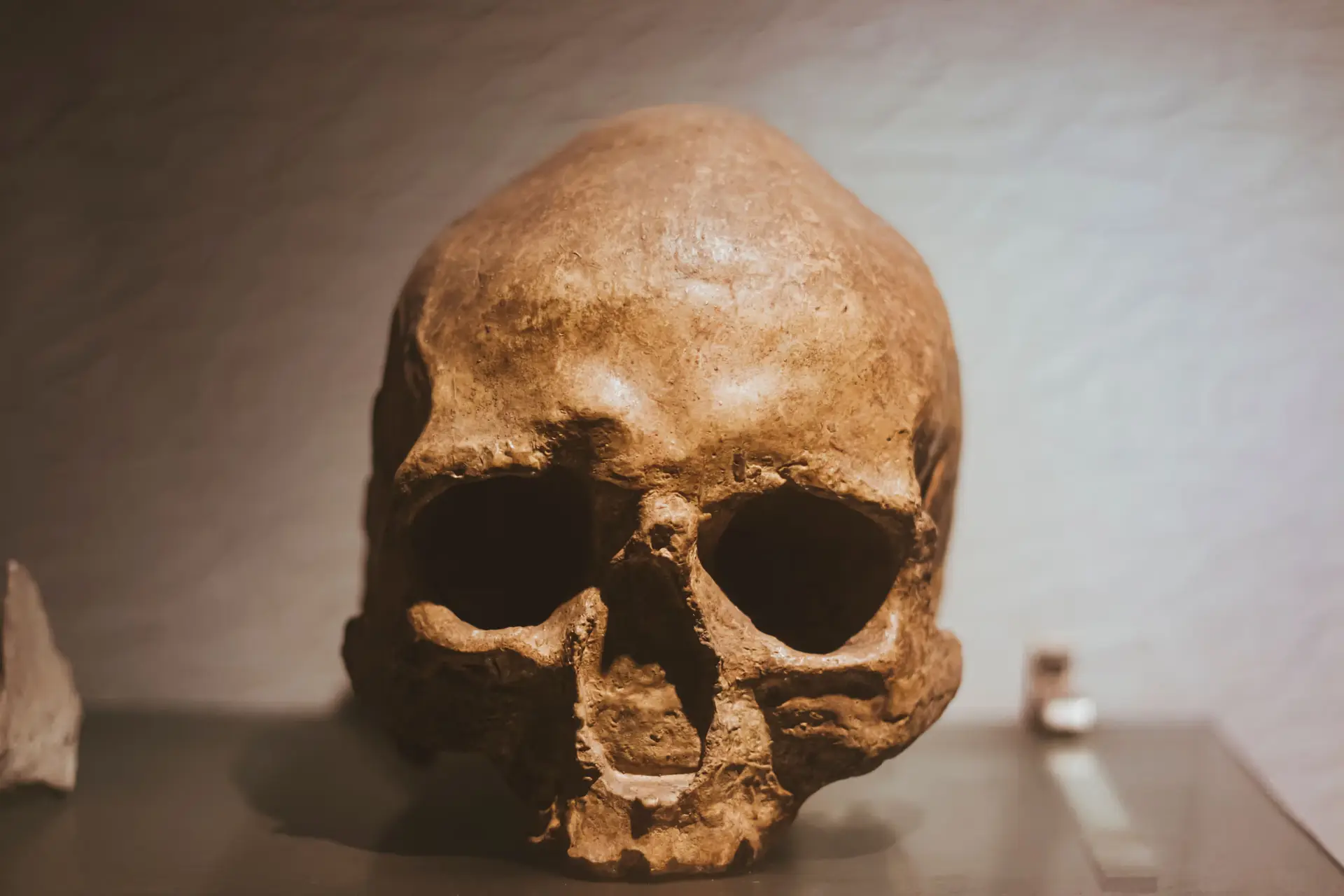
The University of Oxford has formally returned the ancestral remains of 39 individuals to a delegation from Nagaland, concluding a repatriation process initiated by the indigenous community. A 30-person delegation from the northeastern Indian state attended a ceremony at the Pitt Rivers Museum on Monday to sign the formal transfer agreement.
The remains, consisting primarily of human skulls, will be transported back to India for burial. Naga tribal leaders intend to inter the remains beneath a joint memorial located within a park in Nagaland. Museum director Laura Van Broekhoven described the handover as a historic moment that will be part of stories told to next generations, adding that the remains were returning home after overcoming extensive administrative red tape.
The human remains had been displayed at the Oxford institution for decades before being removed from public view in 2020 as part of what the museum described as a decolonisation process. The formal request for repatriation was submitted by a Naga delegation during a visit to Oxford in 2025, leading to the museum's announcement of the transfer in September. The Pitt Rivers Museum, established in the nineteenth century, has previously returned human remains to indigenous groups in Australia, New Zealand, and the United States.
The 39 repatriated remains form part of a broader collection at the museum, which holds over 6,000 objects associated with Naga culture, representing the largest such assembly in the world. According to museum documentation, 219 human remains were added to the institution's inventory between 1910 and 1940, primarily collected by two British colonial administrators acting as anthropologists. The museum's public records state that items gathered during that era were frequently confiscated during military expeditions in colonial India and Myanmar rather than freely given.
During their visit to Oxford, members of the delegation met with descendants of one of the colonial administrators involved in collecting the remains. Tribal leader Thejao Vihienuo stated that the circumstances surrounding the acquisition left much to speculation, adding that no person would have given the skull of a father or grandfather as a gift. Anthropological records note that while the Naga historically practised headhunting, they also preserved the skulls of their own chiefs within village centres. The current transfer agreement pertains exclusively to the 39 ancestral remains requested by the delegation.
Written by Andreas Hofer andreas.hofer@alpineweekly.com