Nov 10, 1:01 PM
Uzbekistan Nears Completion of Central Asia's First Integrated Wind and Battery Facility
The €232 million project in Karakalpakstan combines a 200-megawatt wind farm with utility-scale battery storage to stabilize grid supply.
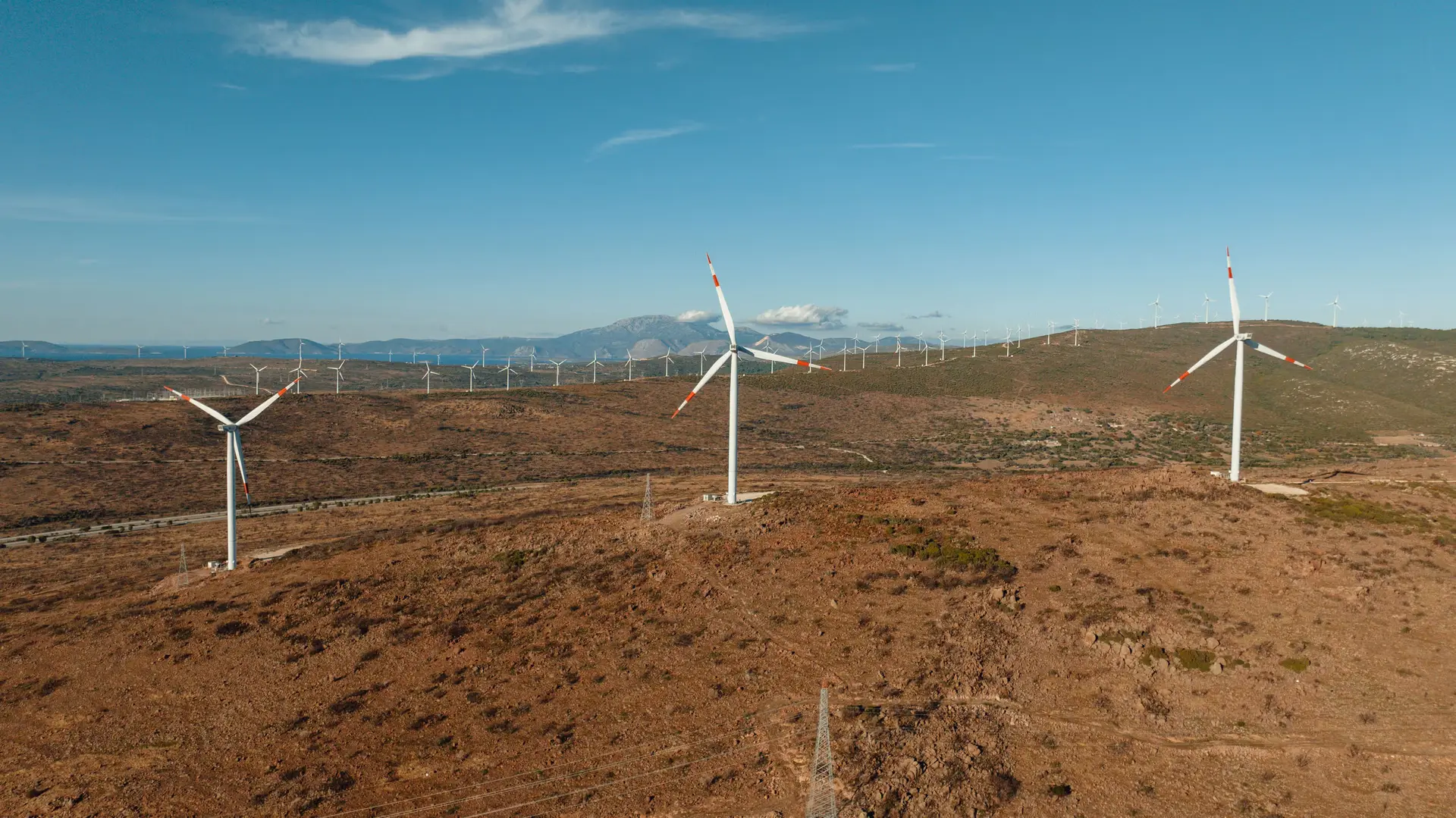
Saudi Arabian energy company ACWA is nearing the completion of Central Asia's first combined wind power and large-scale battery storage facility in northwestern Uzbekistan. Construction of the €232 million project, known as Nukus 2, reached 94.2 percent at the end of October, according to project managers. Electricity generation at the site began in August, with full operation planned by the end of November 2026.
The facility is located in Karakalpakstan and combines a 200-megawatt wind farm with a 100-megawatt-hour battery system. Developed under ACWA's local subsidiary, ACWA Beruniy Wind, the site relies on 26 turbines, of which 25 are already connected to the power grid. A newly constructed 44-kilometre transmission line and updated electrical infrastructure link the facility to Uzbekistan's national electricity network.
Financing for the project includes a long-term commercial structure backed by international development banks and private lenders. The Asian Development Bank provided a loan package of approximately €46 million alongside a government-backed credit guarantee designed to lower financial risk during bidding. Additional funding came from the Asian Infrastructure Investment Bank, which approved €67 million in financing, as well as Dutch development bank FMO, Standard Chartered, and Saudi EXIM.
The commercial framework relies on a 25-year power purchase agreement signed in March 2024 between the developer and Uzbekistan's national grid operator. ADB portfolio manager Abdulatif Matkarimov noted that the bank has supported nearly ten renewable energy projects in Uzbekistan since starting work in the country's Navoi region.
The integrated battery system aims to address grid instability caused by weather-dependent renewable energy generation. Project director Sardorbek Mahmudov explained that testing for the storage facility is being carried out in phases to meet safety and fire-protection standards. Mahmudov estimated that the batteries can discharge power for three to four hours during peak demand or periods of reduced wind generation, helping to supply energy to more than 300,000 residents.
Once fully operational, the wind farm is projected to generate nearly 728,000 megawatt-hours of electricity per year. During construction, the project employed between 750 and 800 people, including more than 400 local workers and specialists, according to site management. The developer aims to complete the final safety testing and commissioning of the battery system before the end of November 2026.
Written by Sandy van Dongen sandy.vandongen@alpineweekly.com