Oct 21, 6:01 AM
Neglect on the Aquifer: How Waste and Weak Governance Threaten Yucatan's Water
Widespread faecal contamination in Mexico's southeastern peninsula exposes systemic regulatory inaction and flawed local infrastructure.
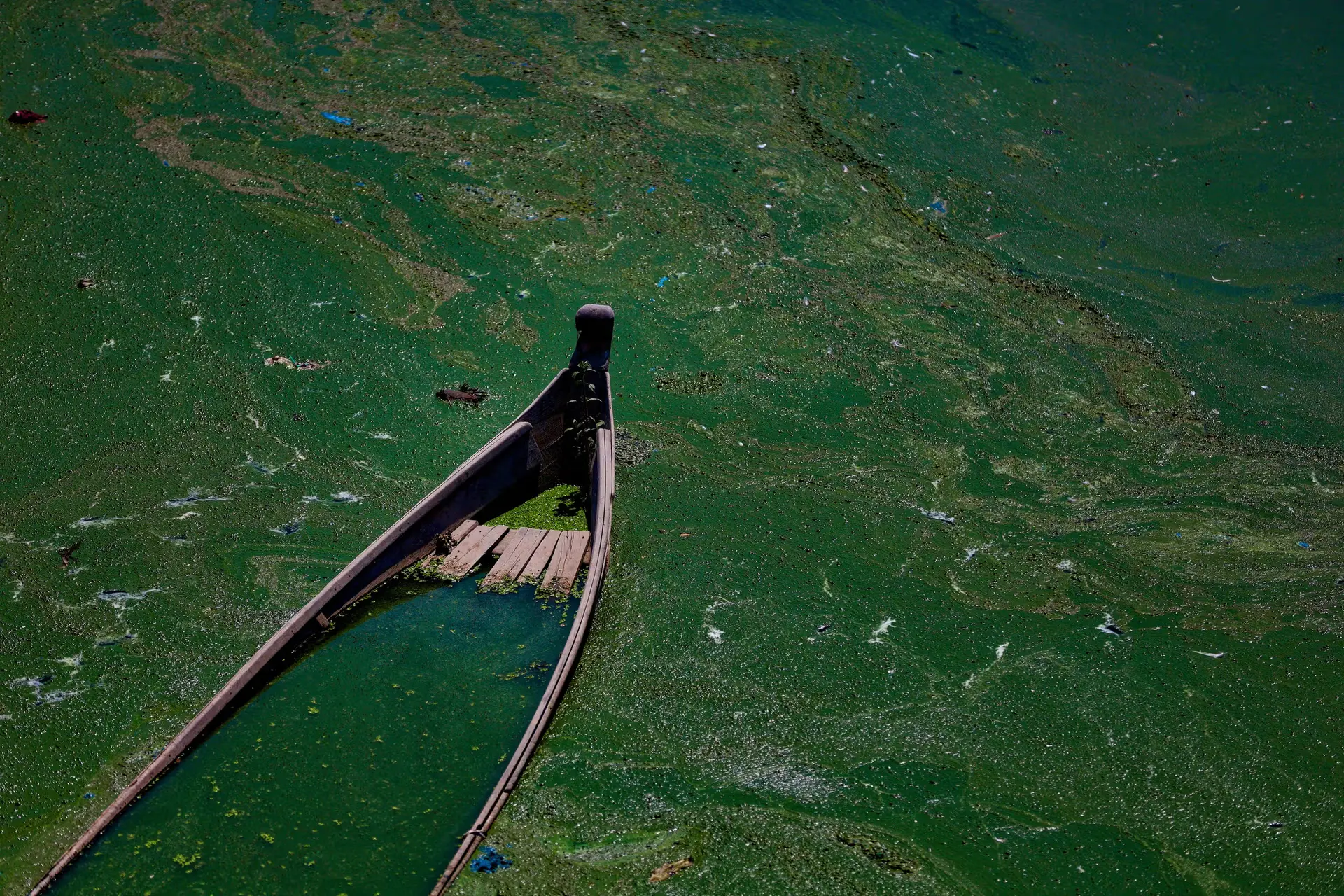
The natural cenotes of the Yucatan peninsula are among Mexico's primary tourist destinations, yet beneath the surface lies a troubling ecological crisis. In a region entirely dependent on groundwater flowing through porous limestone bedrock, industrial expansion and public infrastructure failures have collided. A recent investigation by Greenpeace reveals that the subterranean water system sustaining local communities and ancient Maya heritage sites is heavily polluted with faecal bacteria.
Testing conducted across 17 locations near the state capital of Merida paints a clear picture of systemic negligence. Independent laboratory analysis of household wells, farm water points, and natural sinkholes found that 16 of the 17 samples reached the maximum measurable limit for total coliform bacteria, while 13 reached maximum levels for faecal coliforms. DNA marker testing processed at Johns Hopkins University and the National Autonomous University of Mexico confirmed the presence of pig faecal material in the aquifer.
The rapid growth of the livestock sector provides obvious background to the crisis. A United Nations report published earlier this year identified more than 500 industrial pig operations housing over 50,000 animals across Yucatan state, frequently located near Indigenous Maya territories. Former UN special rapporteur Marcos Orellana observed that many of these industrial facilities operate without the required legal permits, allowing agricultural runoff to penetrate the permeable ground and enter local drinking supplies.
Yet laying the blame solely on corporate livestock farming overlooks a broader administrative breakdown. The testing acknowledges that municipal sewage and leaking urban septic systems contribute substantially to the pollution. Representatives from the Yucatan Citizen Scientific Water Observatory noted that private pork producers have invested in water treatment systems, arguing that the primary failure rests with local authorities who ignore wastewater infrastructure because it yields little political return.
While environmental organizations and Maya communities call for an immediate moratorium on new livestock operations, state institutions have responded with typical bureaucratic silence. Neither the Yucatan state government nor Mexico's national water commission, CONAGUA, responded to requests for comment regarding the findings. When state enforcement fails to apply basic regulations equally to municipal utilities and industrial operators, the surrounding population pays the price in basic public health.
Written by Thomas Nussbaumer thomas.nussbaumer@alpineweekly.com