Oct 21, 8:02 AM
The $126 Million Stamp Discount
A Pakistani cybercrime arrest lays bare a massive digital counterfeiting scheme that bled the US Postal Service.
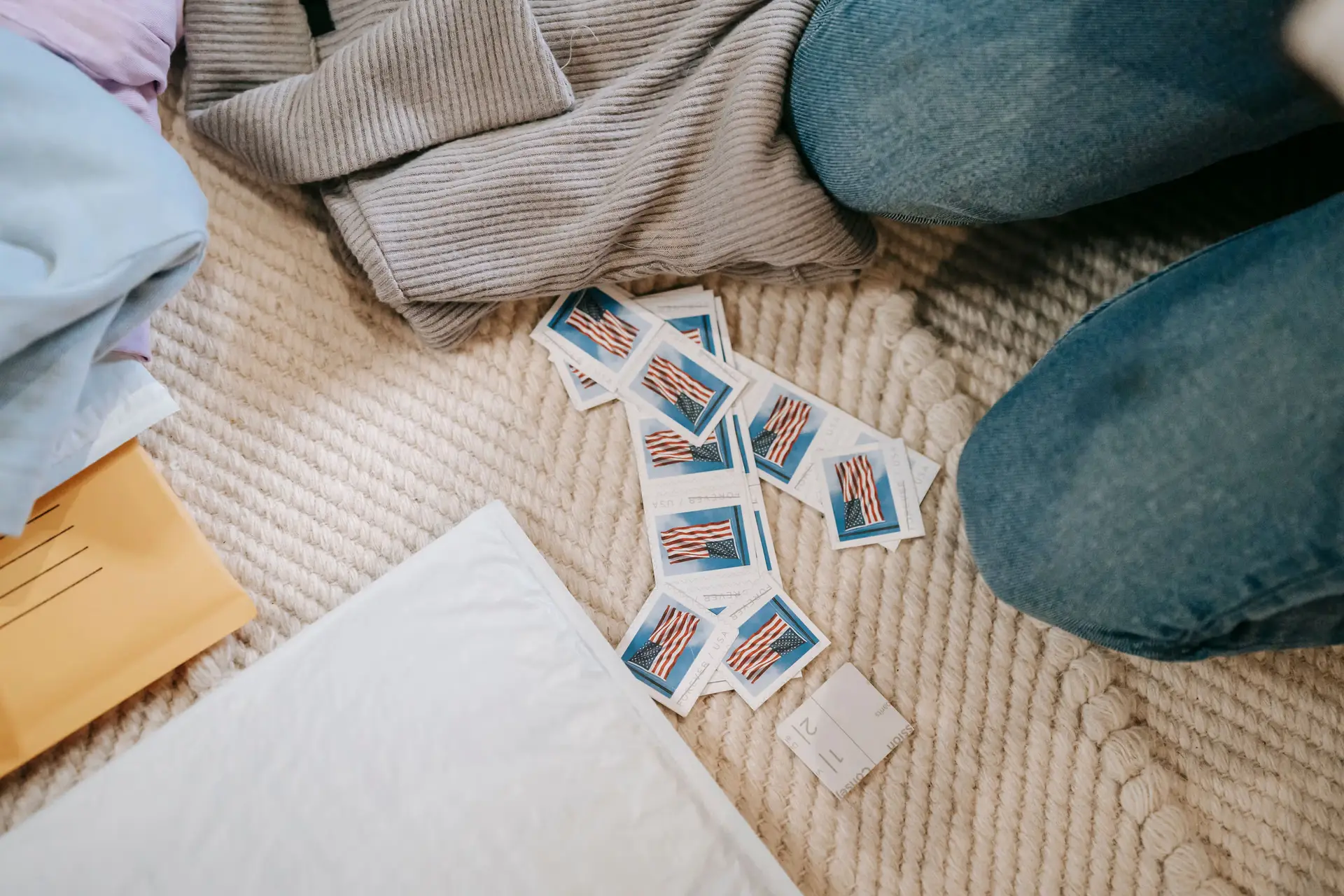
Offers that sound absurdly generous on the internet usually come with a catch, if not a federal indictment. For thousands of online sellers, a website named LabelsBank.com seemed like an undiscovered loophole in logistics: a flat fee of two dollars to ship any package across the United States, regardless of weight, dimensions, or destination. The operator behind this pricing model, a 33-year-old man named Faheem Akram from Khanewal, Pakistan, has now been arrested by local cybercrime authorities after an international crackdown.
The enterprise was as straightforward as it was lucrative. Since 2023, the operation systematically undercut legitimate shipping costs by churning out fake postage. American prosecutors in Florida contend that more than 5,200 buyers eagerly took advantage of the platform, purchasing over 5.1 million fraudulent labels. For the United States Postal Service, an institution long troubled by operational deficits, the illicit discount shop resulted in an estimated revenue loss of $126 million.
The operation came to a halt after a federal grand jury in the Southern District of Florida indicted Akram, prompting law enforcement to shutter the domain. To ensure the key figure did not simply vanish, the US Postal Inspection Service offered a reward of up to $100,000 for information leading to his arrest. Pakistani law enforcement subsequently moved in, ending what had become a major offshore counterfeiting hub.
Akram now faces serious legal exposure across multiple counts, including conspiracy to defraud the United States, five charges of manufacturing and selling counterfeit postage, and four counts of wire fraud. Should he be convicted, the wire fraud charges alone carry a maximum penalty of 20 years in prison per count, alongside five-year maximum sentences for each of the counterfeiting and conspiracy offenses.
While thousands of online customers managed to slash their shipping overhead for nearly two years, the bill has finally come due. American authorities may have closed this particular breach, but the scheme demonstrates how easily a domestic public utility can be siphoned from thousands of miles away.
Written by Christiane Hofreiter christiane.hofreiter@alpineweekly.com