
Oct 21, 8:02 AM
The Limits of Infinite Scroll: Wall Street Cools on Netflix
Solid headline profits cannot hide slowing engagement, executive turmoil, and impending job cuts.
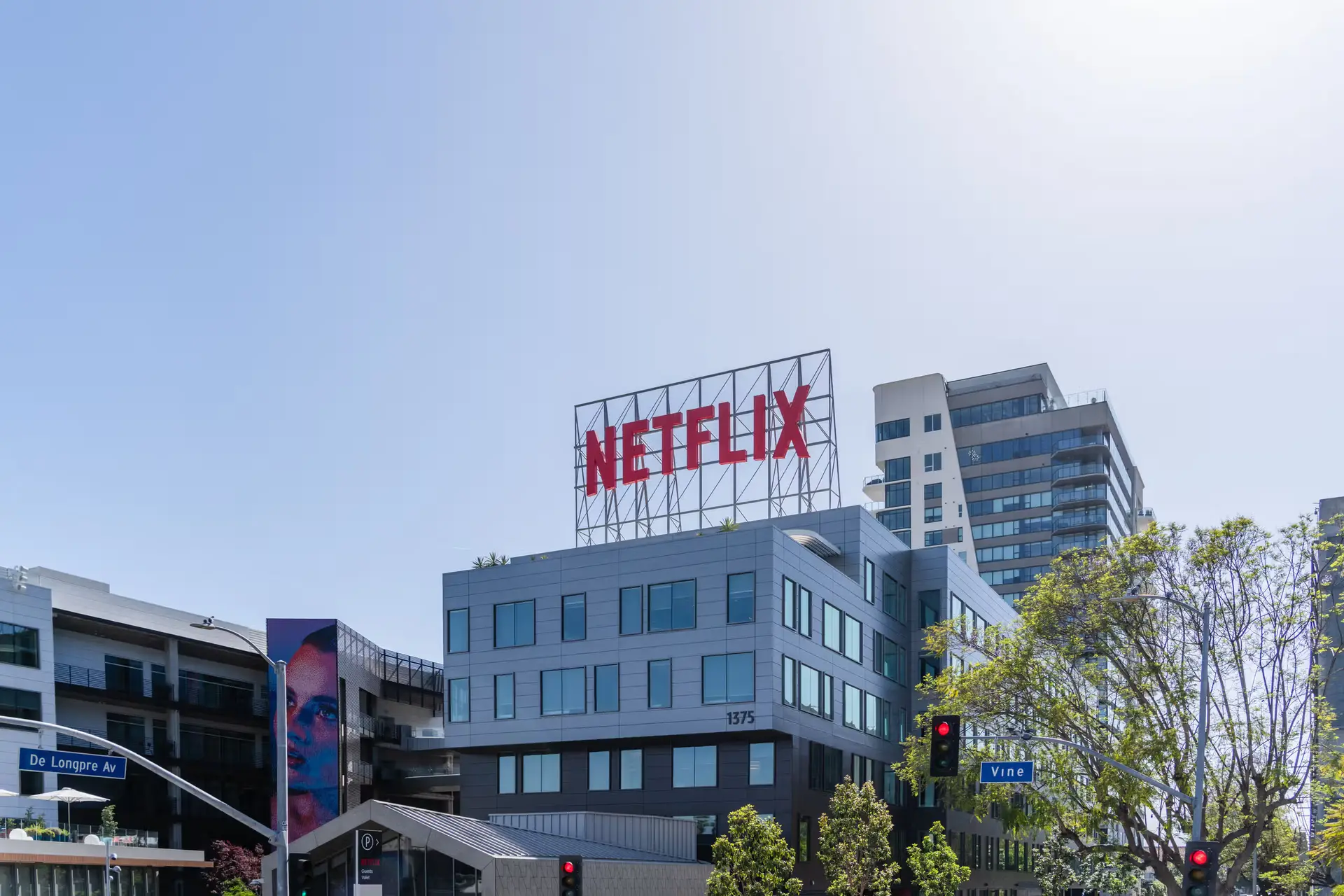
When the narrative of endless expansion collides with the arithmetic of a saturated market, market corrections tend to be swift. Netflix learned this lesson once again as its shares slipped more than 5 percent following its latest quarterly update. For a company that spent a decade convincing Wall Street that screen time was an infinite resource, the current reality looks distinctly finite.
On paper, the third-quarter balance sheet appeared robust enough. Revenue reached $12.87 billion, while net income stood at $3.7 billion, comfortably surpassing baseline expectations. Yet, financial engineering and top-line figures can no longer mask a subtle shift in viewer behavior. Ever since the company chose to stop reporting headline subscriber figures, investors have been forced to scrutinize engagement metrics instead—and what they see is causing unease.
The central issue is a visible deceleration in viewer engagement, particularly in its primary home market. In the United States, Netflix captured just 7.8 percent of streaming television viewing time in July, trailing significantly behind YouTube’s 14.2 percent. While international markets, such as India, delivered strong engagement gains, the domestic engine is losing steam. Co-CEO Ted Sarandos acknowledged this divergence directly, stating that our content around the world is largely working, while conceding that the American market is simply not growing as fast as leadership would like.
To reverse the trend, the company is turning to a familiar corporate playbook: restructuring and cost reduction. Reports indicate that Netflix is preparing to eliminate roughly 1,000 positions, representing about 6 percent of its workforce. The cuts hit high-level ranks, including executives handling television deals. The internal pivot was further highlighted by the replacement of long-time chief content officer Bela Bajaria with former Disney executive Peter Rice—a move aimed at renegotiating talent relationships in an increasingly fragmented landscape.
At the same time, the streaming pioneer is branching into live sports agreements, gaming, and alternative advertising formats to shore up revenue streams. Co-CEO Greg Peters admitted that advertising performance remains behind the company's aggressive internal targets. Chasing live sports like the NFL and WWE may buy time and temporary audience spikes, but it also signals an admission that core scripted entertainment is no longer enough to fuel the machinery alone.
Written by Sandy van Dongen sandy.vandongen@alpineweekly.com