Jun 12, 6:01 PM
Lethal Narcissism: Murder Conviction Follows the La Louvière Carnival Massacre
A driver who ploughed into a crowd while filming a social media video exposes the sluggishness of the Belgian state.
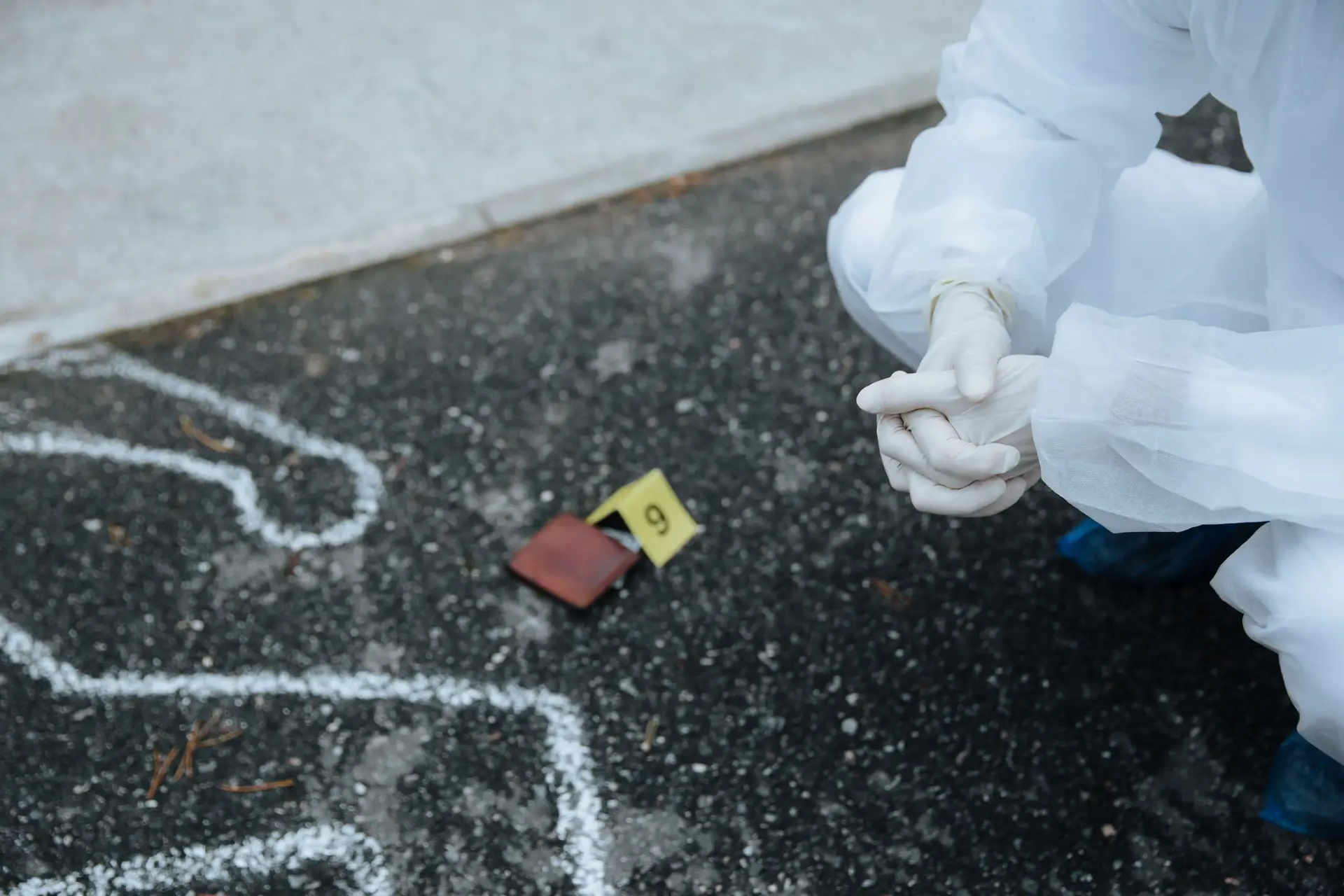
The modern appetite for digital validation has officially crossed the threshold from mere vanity into lethal criminality. In a Belgian courtroom, the collision between social media narcissism and reality has culminated in a murder conviction for a man who prioritised a smartphone video over human life.
Paolo Falzone, a 38-year-old with a documented history of traffic offences, managed to turn his BMW into a lethal projectile in March 2022. Speeding at 170 kilometres per hour through a 50-kilometre zone on the outskirts of La Louvière, Falzone ploughed directly into a crowd of early-morning carnival revellers. The devastating physical toll included six people killed instantly, a seventh who succumbed later, and approximately forty others left scattered across several hundred metres of road.
The details of the case expose a striking level of negligence. Returning from a nightclub before dawn on a Sunday, Falzone was entirely focused on filming himself for a social media post rather than observing the street ahead. During the proceedings, the defendant conceded his long-standing habit of recording himself driving at exorbitant speeds, offering belated expressions of regret for what he characterised as idiotic behaviour.
Yet, the Belgian justice system’s handling of the affair reveals much about the country's broader struggles with escalating criminality and administrative sluggishness. It is a familiar pattern: a known offender with prior convictions for drink driving and speeding is left to freely navigate the streets until an undeniable catastrophe forces the state machinery into motion. Only then does the system mount a serious response.
Driven by immense public anger, an appeals court took the unusual step of elevating the road incident to a jury trial. The sheer scale of the devastation required the proceedings to be held in a specially designated hall, accommodating nearly two hundred civil parties. Among these claimants are individuals who will spend the rest of their lives managing permanent disabilities, alongside the grieving relatives of the deceased.
The legal repercussions extend beyond the driver. A passenger present in the vehicle during the massacre was convicted of failing to assist people in danger, an offence carrying a potential two-year prison sentence. Falzone himself now awaits sentencing next week, facing a maximum of thirty years behind bars. The verdict stands as a rare moment of decisive action in a jurisdiction frequently overwhelmed by its own bureaucratic inertia, though it arrives far too late for the victims of La Louvière.
Written by Sandy van Dongen sandy.vandongen@alpineweekly.com