Aug 25, 8:01 AM
Indonesia’s smoke season returns, and it is already crossing borders
Kalimantan’s fires are filling hospitals, closing schools and pushing haze into Malaysia and Singapore while Jakarta reaches for arrests and permit revocations.
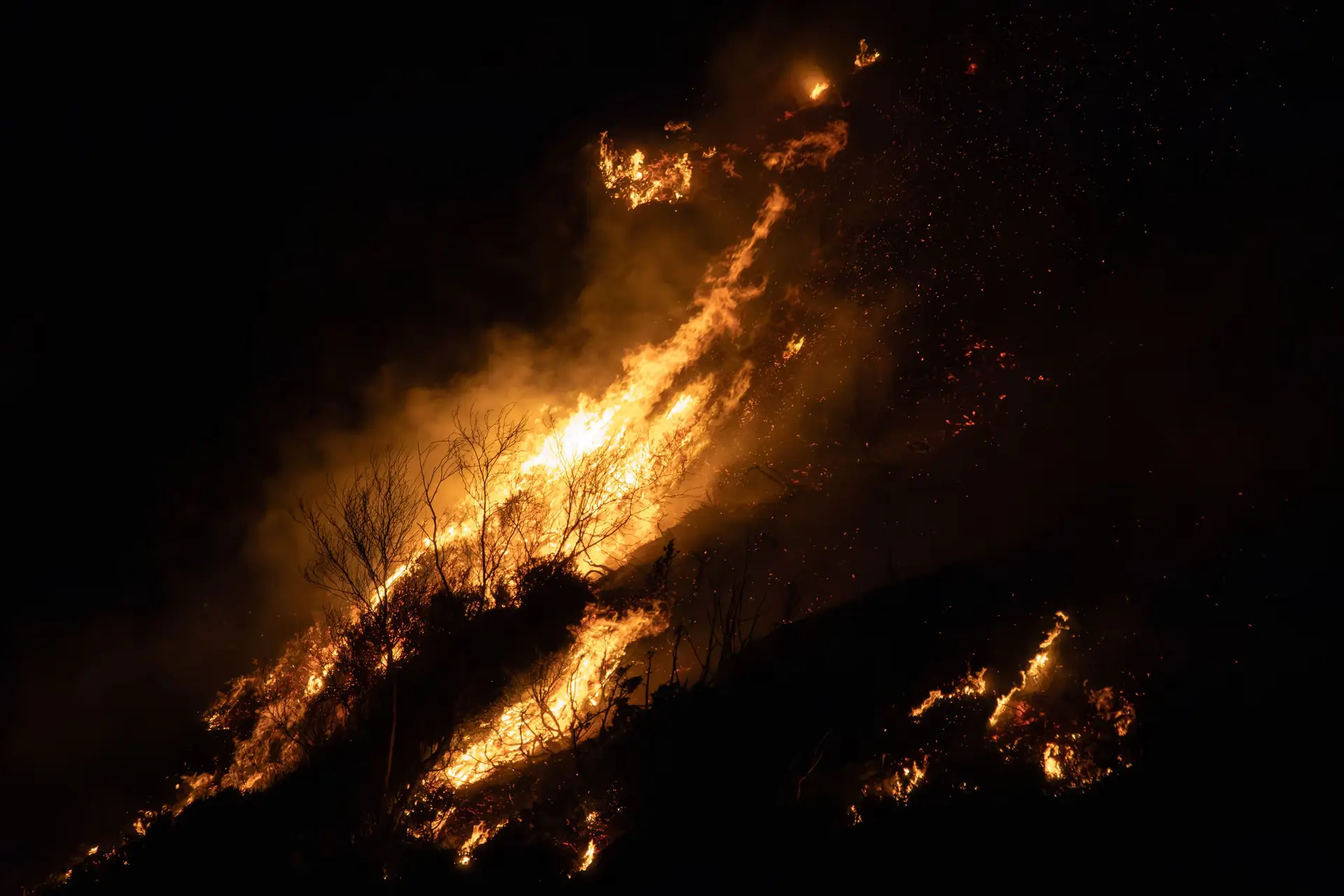
Suwadi steps outside his home in Indonesian Borneo and can barely make out five metres ahead. Each breath, he says, feels like smoking a cigarette. That is not a metaphor designed for effect; it is what weeks of fire and smoke have done to Kalimantan, where the air now seems to have taken sides against the people living in it.
The fires have spread across tens of thousands of acres in the Indonesian side of Borneo, including ancient rainforest. What begins as a local disaster quickly becomes a regional nuisance, then a diplomatic one: the haze is drifting towards Malaysia and Singapore, while West Kalimantan is reporting a sharp rise in emergency room visits. Since July, about 5,000 people a week have arrived with respiratory symptoms, compared with 500 a week in the first half of the year, according to health ministry data.
Life goes on, because it usually does. Children still go to school and adults still go to work, though many are doing so under a constant cloud of smoke. Some classes have already been suspended, and parents are pressing schools to move online. On Tuesday, Kuala Lumpur was the most polluted city on earth, followed by Jakarta, according to IQAir. Almost 600 schools in Sarawak, on Borneo island, closed because of hot and dry conditions, and Singapore went on alert.
The scale is no longer easy to dismiss as a bad patch of weather. Forestry ministry data show that nearly 94,000 hectares burned nationwide in July alone. Malaysia and Brunei have agreed to raise the issue at Asean, which is the sort of regional response that sounds tidy until one remembers that smoke does not wait for communiqués.
The familiar explanation is also the least comforting. Fires in Kalimantan are often blamed on slash-and-burn land clearing for plantations, especially those producing palm oil, and Indonesia is the world’s largest producer. Authorities say this year’s super El Niño may be intensifying the blazes, with the weather pattern expected to peak in September. The dry season is likely to continue into October, and rain that could help extinguish the fires is not expected before November.
Jakarta has begun to respond, at least with the sort of force that looks decisive in a press release. On Monday, President Prabowo Subianto ordered authorities to revoke the business permits of corporations suspected of directing land clearing, according to the state news agency Antara. Police have arrested 72 people suspected of starting fires in Borneo and Sumatra, most of them accused of deliberately burning land to clear areas for plantations. During a recent visit to the region, Prabowo also promised helicopters and water pumps to contain the fires.
Yet the deeper damage is in the soil. Indonesia’s peatland ecosystems should be naturally resistant to fire when water tables remain high, but drainage networks built for pulp and oil palm plantations have stripped the land of its ability to retain water, experts say. Once peatlands are degraded, fires burn deep underground, are harder to control and produce the thick, acrid smoke now hanging over the region.
Justin Sentian, a professor in climate change at Universiti Malaysia Sabah, says authorities will stay stuck in a permanent game of catch-up if they only act once hotspots appear. Prevention, he argues, has to begin with the land itself: stop converting peatlands and restore the degraded areas already left vulnerable. That is less dramatic than helicopters and arrests, but rather more useful.
For Suwadi, the argument is already painfully concrete. Another fire broke out near the factory where he works in Kalimantan on Monday, with houses burning and smoke everywhere. He says the fire is dangerously close to homes and that people are panicking. Indonesia has been here before: in 2015, another El Niño year, more than 6 million acres burned and haze again spread across Malaysia and Singapore. The question is whether the country will keep treating this as a recurring inconvenience, or finally as a failure of land management with a regional price tag.
Written by Christiane Hofreiter christiane.hofreiter@alpineweekly.com