Oct 26, 9:02 PM
Atomic Procrastination: How Berlin Outsourced Energy Realism to Its Neighbors
As France and Finland build permanent nuclear waste repositories, Germany postpones its own storage decisions until the next century.
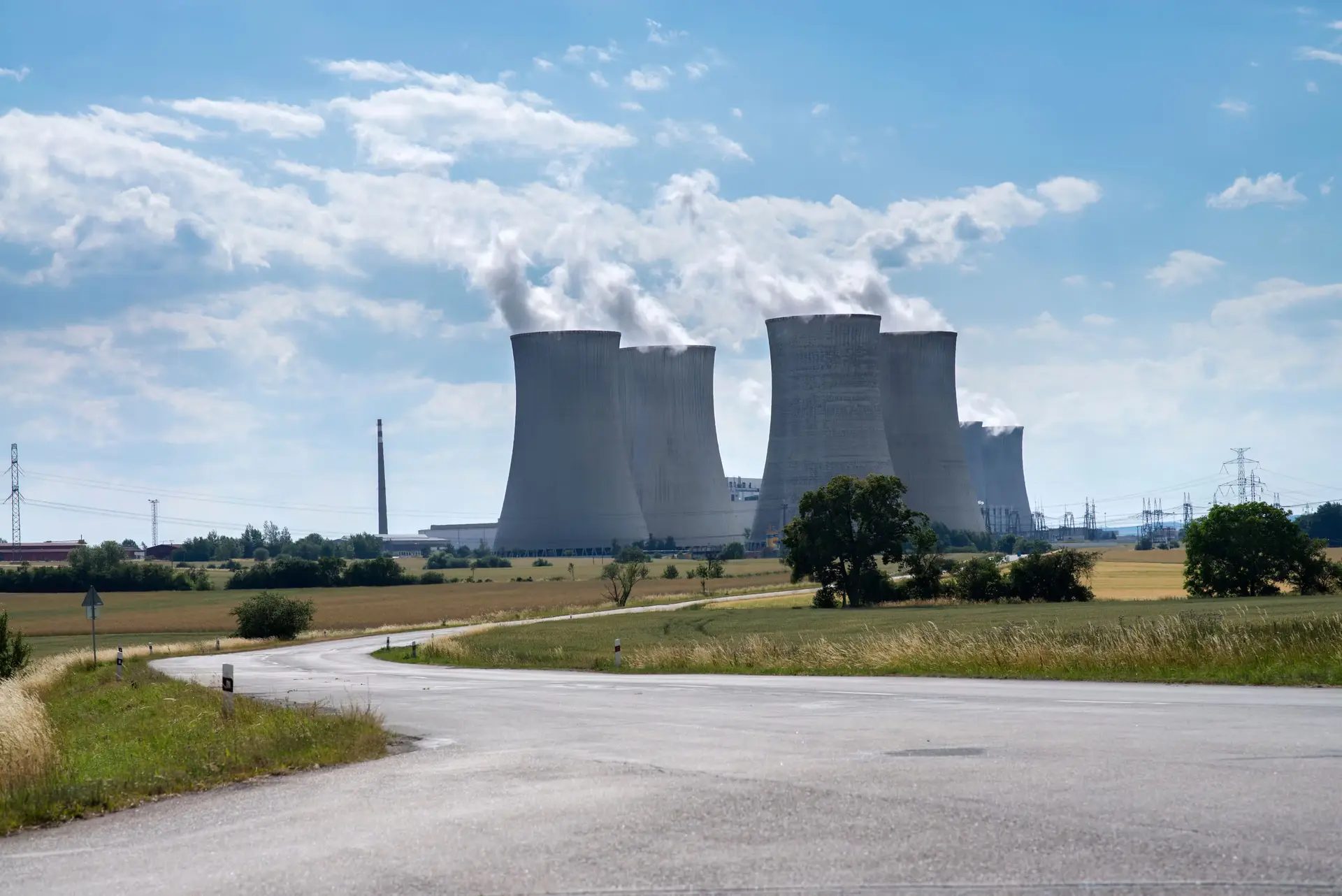
While European neighbors are securing the long-term future of their energy infrastructure, Germany remains committed to administrative paralysis. In eastern France, the government is moving ahead with Bure, a deep geological repository designed to lock away 83,000 cubic meters of high-level nuclear waste 500 meters underground. The facility, projected to cost between 26.1 and 37.5 billion euros—paid predominantly by the waste producers themselves—is targeted for operation by 2050. Paris is pairing this waste solution with aggressive grid planning, seeking to extend reactor lifespans to 60 years and build at least six new reactors by 2038. With 67.3 percent of its electricity generated by nuclear power in 2024, France continues to lead European output with 364.4 terawatt-hours.
Meanwhile, Finland has already demonstrated how a pragmatic state handles nuclear logistics. On October 22, operator Posiva secured the world’s first operating license for a spent fuel repository at Onkalo. Buried 430 meters deep in 1.9-billion-year-old crystalline rock, Onkalo is built to isolate up to 6,500 tonnes of uranium. Across the continent, practical energy choices are making a comeback. Belgium reversed its phase-out, Poland is initiating its nuclear program, and Czechia is extending plant lifespans, encouraged in part by the European Commission’s 2023 decision to brand nuclear investments as sustainable under strict conditions.
The environmental logic behind this momentum is supported by UNECE lifecycle analyses. Nuclear power generates a mere 5.1 to 6.4 grams of CO2 equivalents per kilowatt-hour, outperforming onshore wind at 7.8 to 16 grams and solar photovoltaics, which range up to 83 grams due to carbon-heavy manufacturing chains.
Germany, however, chooses self-imposed isolation. Having finalized its nuclear exit in 2023, the country is now busy tearing down its modern generation assets, with PreussenElektra receiving the final dismantling permit for Isar 2. Chancellor Friedrich Merz has categorized the phase-out as irreversible. Yet, Berlin still sits on 27,000 cubic meters of highly radioactive, heat-generating waste. Shipping this material across the border is out of the question, as France’s Bure facility is reserved strictly for domestic inventory.
Instead of resolving its storage deficit, the German political class has simply managed the timeline out of sight. The original 2031 target for selecting a repository site was quietly abandoned, with the Environment Ministry recently resetting the deadline to 2050. Expert assessments prepared for nuclear safety authorities suggest even that target is optimism, pointing to 2074 instead.
With approval and construction, we are then in the next century, admitted Federal Environment Minister Carsten Schneider in July. Berlin’s energy policy has distilled down to a simple formula: dismantle working infrastructure today, and leave the toxic housekeeping to future generations.
Written by Sandy van Dongen sandy.vandongen@alpineweekly.com