Oct 26, 9:01 PM
The illusion of peril: How Basel turns fairground adrenaline into an exercise in Swiss precision
A fatal accident in the United States prompted no panic in Basel, where voluntary double-inspections ensure that extreme thrills remain thoroughly sanitized.
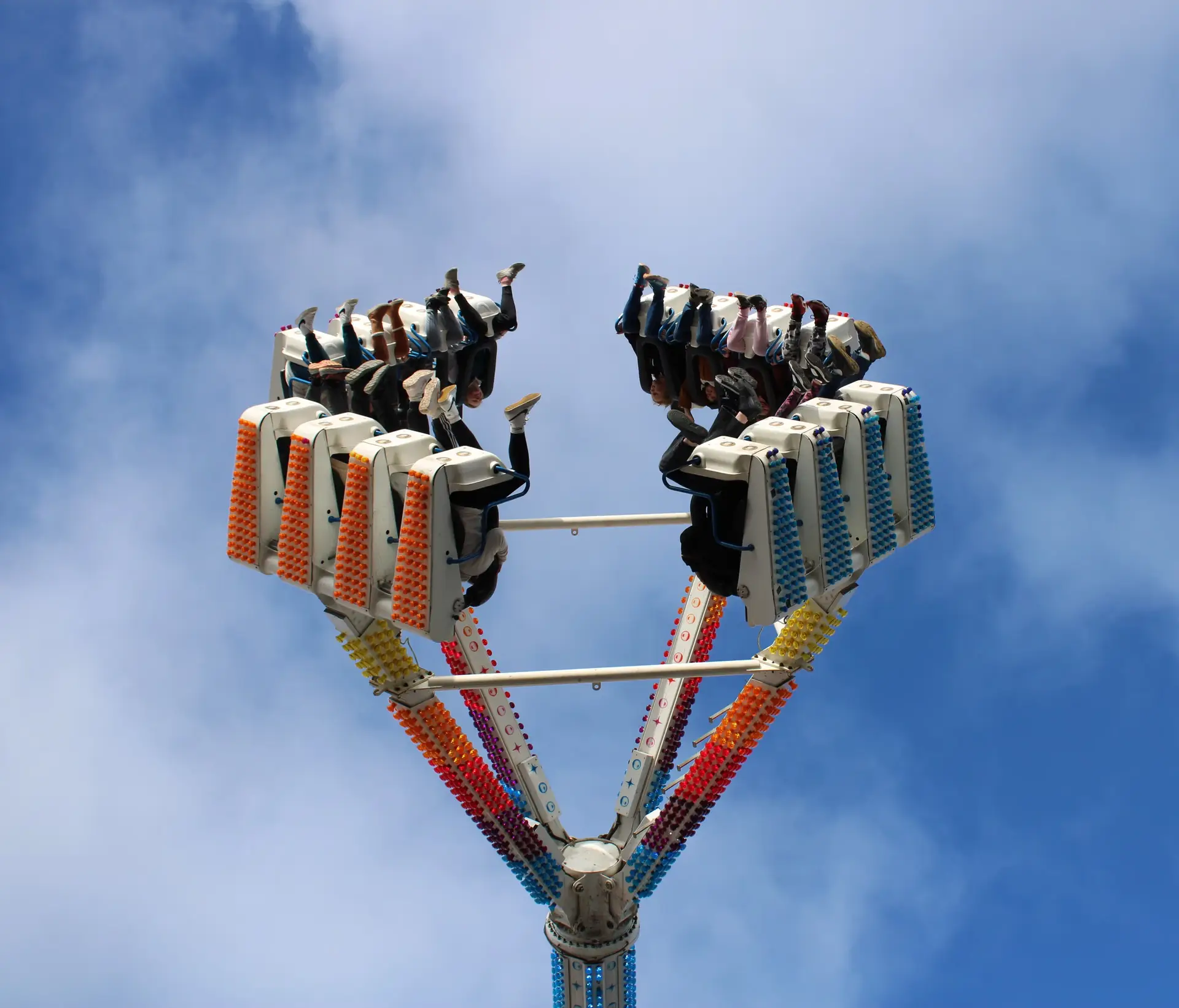
Amusement parks thrive on the illusion of death-defying danger. Visitors willingly pay to be strapped into mechanical contraptions and thrown 52 meters into the air, banking on the unwritten promise that physics will be held back by structural integrity. At the 555th Basel Autumn Fair, however, the Swiss propensity for risk aversion ensures that absolute safety precedes any thrill.
Following a recent fatal accident in an American amusement park, the contrast in approach is striking. In Basel, before any of the 52 rides were allowed to spin, a ten-member delegation from TÜV Süd spent three full days inspecting every single machine. Engineers such as Erwin Bernhard moved from ride to ride, feeling steel struts, searching for microscopic stress cracks, checking for corrosion, and listening for the decisive click of restraint mechanisms.
This meticulous scrutiny is not even required by law. The fairground operators are seasoned professionals whose equipment already carries valid safety certifications. Yet, the canton insists on what Manuel Staub, head of the Basel Autumn Fair, describes as a Basler Finish—a redundant, on-site audit designed to catch whatever four eyes might see that two did not. Ride owners like Jean-Marc Jollier, who operates the 52-meter high vertical loop ride Maximum 2, welcome the additional scrutiny. For an attraction that suspends ten people upside down high above the pavement, perfection is the minimum acceptable standard.
Even nature briefly intruded on the rigid protocol. A level-two storm warning issued by MeteoSwiss threatened to turn tree branches into hazards, prompting authorities to temporarily shutter leafy sites like Petersplatz and Rosentalanlage. Yet as soon as the autumn winds subsided on Sunday evening, the tree-covered grounds reopened to crowds seeking controlled chaos.
In the end, Erwin Bernhard and his team issued a clean bill of health, noting that minor flaws discovered during the three-day check were resolved immediately by operators. The outcome remains absurdly comforting: in a world where real risks are ubiquitous, the most dangerous part of visiting the fair remains the mundane commute on public roads.
Written by Christiane Hofreiter christiane.hofreiter@alpineweekly.com