
Oct 29, 7:01 AM
Illusion of Control: A Brutal Lesson inside Germany's Wildlife Parks
The severe injury of an eight-year-old child in Brandenburg exposes the fragile boundary between curated eco-tourism and raw wild nature.
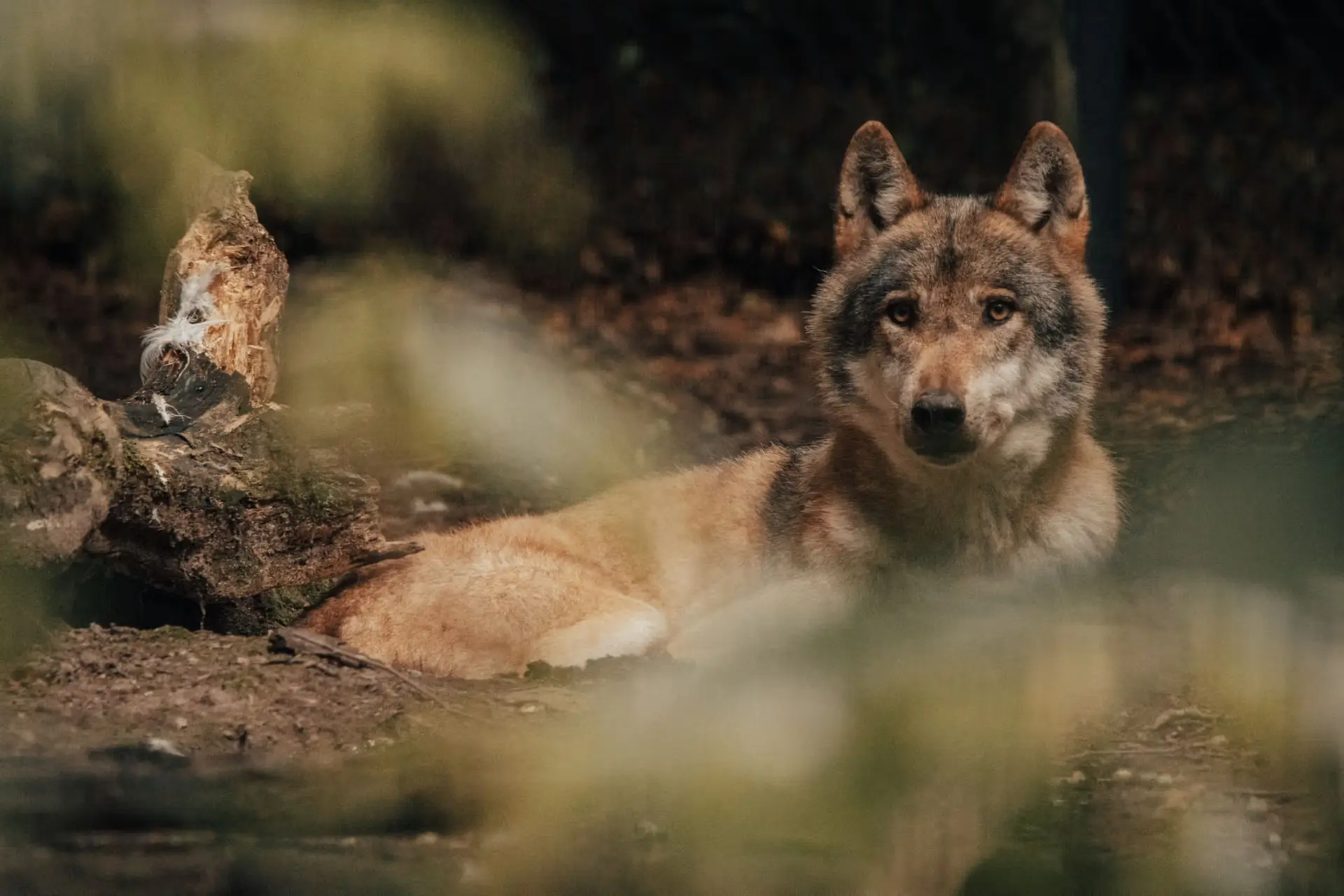
A quiet Wednesday morning in Brandenburg took a violent turn before the regular gates even opened to the public. Inside an enclosure at the Johannismühle wildlife park, south of Berlin, an eight-year-old girl was mauled by at least one wolf, sustaining severe head injuries that required immediate evacuation by emergency helicopter.
The incident unfolded prior to the facility’s official 10:00 opening hour in Baruth/Mark. The young victim was not wandering alone; she was inside the enclosure alongside a park employee and two other children. The facility advertises exclusive small-group tours that offer visitors direct contact with predators and farm animals alike—from feeding wolves to petting llamas. What was intended as an educational encounter turned into a brutal demonstration of natural instincts overriding human management.
Authorities have launched a formal investigation to determine how such a security breach occurred within an environment supposedly supervised by trained personnel. While no other individuals in the group were injured, the physical damage inflicted on the child highlights the inherent risks of commodifying encounters with apex predators. The park, which houses grey and arctic wolves in addition to brown bears and lynx, abruptly halted operations following the attack. According to its public notices, the gates are scheduled to remain shut until early November.
This tragic episode in Brandenburg does not stand entirely in isolation. It joins a troubling sequence of recent animal attacks across European zoos and wildlife parks, where the desire to offer immersive natural experiences repeatedly collides with basic safety requirements. Bureaucratic oversight and regulated entry fees create a false sense of security, encouraging families to treat wild carnivores as accessible attractions.
When a facility permits children into a wolf enclosure under the banner of experiential tourism, the line between controlled environmental education and reckless exposure becomes dangerously blurred. Official statements maintain that police officers are actively investigating the precise circumstances of the incident. Yet, as the eight-year-old remains hospitalized, the incident forces a hard look at whether modern safety protocols in German wildlife management are fundamentally detached from reality.
Written by Thomas Nussbaumer thomas.nussbaumer@alpineweekly.com