Oct 29, 7:01 AM
Airbus Knocks on London’s Door After Franco-German Jet Collapses
Paris retreats into national protectionism while Berlin and Airbus scramble to salvage their fighter jet ambitions.
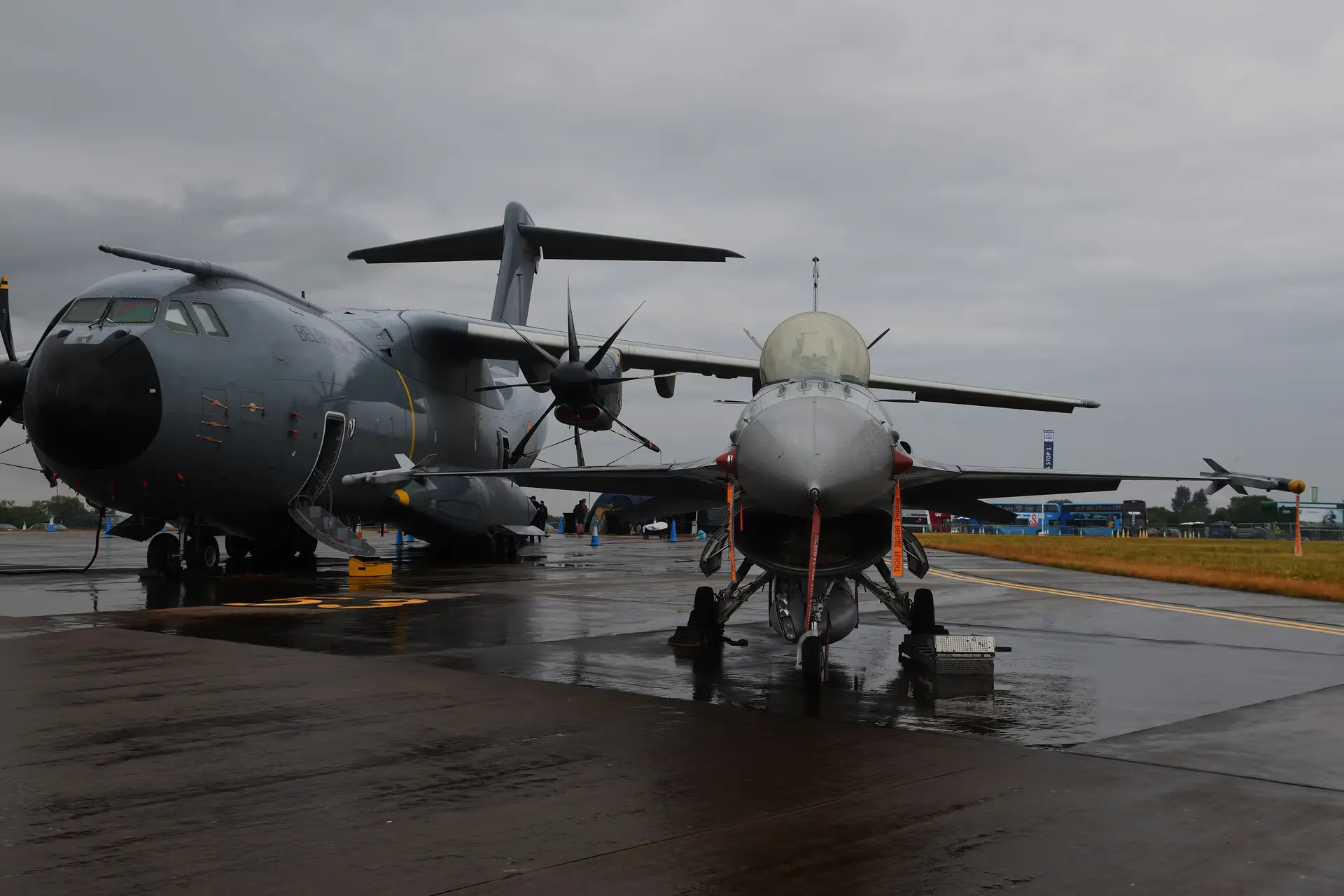
When grand European defense projects crash into national self-interest, the wreckage usually takes the form of bureaucratic paralysis. The latest monument to cross-border military ambition—the Franco-German next-generation fighter jet—met its predictable end in June. What was heralded as the core of joint continental defense fractured over basic design disputes, leaving Airbus searching for a rescue plan while Dassault Aviation retreated into familiar French statism, joining forces with Paris to build a Rafale successor alone.
Now, Airbus chief executive Guillaume Faury is looking beyond the Rhine for a lifeline. The aerospace manufacturer, which represented both Germany and Spain in the collapsed venture, is eyeing the Global Combat Air Programme led by Britain, Japan, and Italy. With the bilateral romance with Paris over, the German government has opened talks with prospective foreign partners to explore alternative alliances.
The contrast between the competing programs is striking. While continental negotiators were bogged down in design squabbles between Airbus and the German military, the trilateral pact between London, Tokyo, and Rome quietly moved forward, committing over $5.5 billion to their sixth-generation combat aircraft. With Canada participating as an observer, the alliance is aiming for operational deployment by 2035.
Yet industrial habits die hard. Despite courting the British-led effort, Faury continues to stress the political necessity of European unity, insisting that any future fighter must be built in Europe and for Europe. Airbus maintains that a cooperative sixth-generation jet remains vital for the continent, expressing its desire to participate in a joint solution before industrial timelines slip away.
Whether political leaders can match that timeline is a different question. Faury warned that decisions must be made by governments, ideally not in the too distant future. But swift strategic clarity is rarely a feature of German procurement policies. While Paris finances its national champion and the British-led group moves ahead with hard capital, Berlin and Madrid are left in a familiar position: standing outside a working coalition, hoping for an invitation to join.
Written by Thorben Thiede thorben.thiede@alpineweekly.com