Nov 1, 7:00 AM
Glamour on a Toxic Hill: Rajasthan's Marble Industry Turns Industrial Sludge into Instagram Scenery
While tourists pose on a 300-acre dump of marble waste in Kishangarh, surrounding villages pay the price in contaminated groundwater and destroyed farmland.
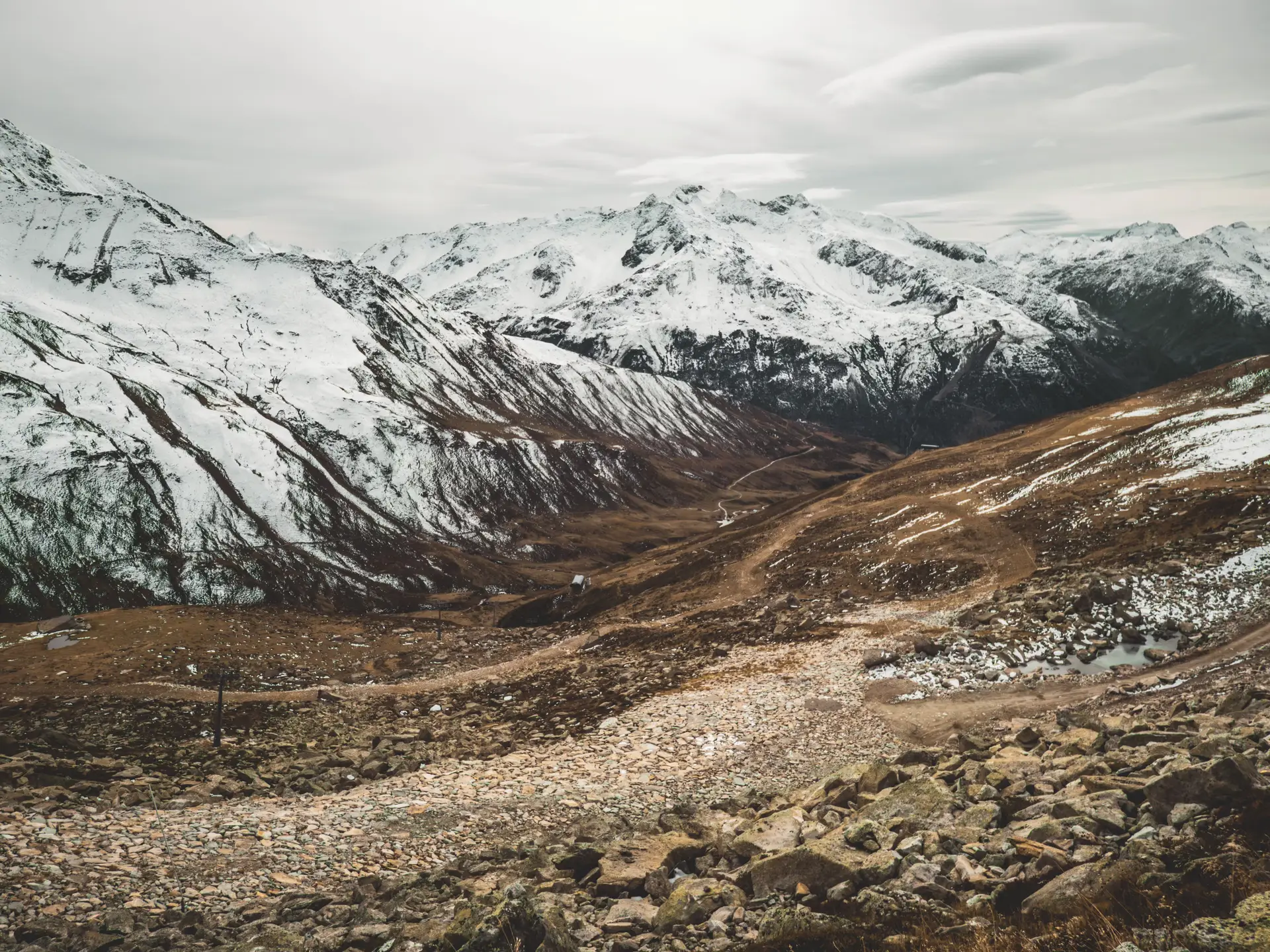
In the arid expanse of Rajasthan, social media influencers and pre-wedding photographers have found an unlikely backdrop for their romantic vistas: a toxic landscape of industrial waste. Dubbed the Snow Yard by enthusiastic visitors who marvel at its resemblance to the snow-capped mountains of Kashmir, the 300-acre site in Kishangarh is in reality the largest marble slurry landfill in Asia. Here, free admission buys a surreal photo opportunity, provided one ignores the environmental catastrophe beneath one's feet.
The mechanics behind this picturesque landfill are entirely commercial. Kishangarh serves as a juggernaut of the stone trade, housing roughly 1,200 marble and granite processing units. According to figures from the Federation of Indian Granite and Stone Industry, the local sector turns over more than 160 million rupees ($1.7 million) daily and employs approximately 25,000 workers. The byproduct of this lucrative machinery is relentless: around 1,000 tankers navigate to the government-designated site daily, unloading roughly 5,500 tonnes of liquid slurry onto the blinding white hills.
While tourists admire the milky artificial lakes, the surrounding agrarian population pays the bill for this untamed expansion. Nearly 5,000 residents across at least six neighboring villages, including Bhogiyawas and Tokra, endure a grim list of afflictions. Fine dust particles under 75 micrometres settle across maize fields, hardening the topsoil into an infertile crust. Groundwater supplies have degraded under heavy fluoride contamination, rendering well water salty and causing widespread dental decay and bone weakness among locals, alongside escalating respiratory illnesses.
Scientific assessments confirm what the residents experience daily. Research led by Laxmi Kant Sharma at the Central University of Rajasthan revealed extreme soil contamination, with lead silicate concentrations sitting at multiple times normal levels. The study also highlighted unsafe PM2.5 atmospheric pollution and warned of rising risks of silicosis, concluding that the immediate vicinity has effectively become uninhabitable without strict intervention.
Yet, the institutional response displays the typical inertia of state bureaucracy caught between industrial lobbies and public welfare. Although the National Green Tribunal intervened following a petition by environmentalist Drupad Malik—ordering the Rajasthan State Pollution Control Board to enforce monitoring and penalize non-compliant facilities—enforcement remains elusive. Local pollution control officials decline to address the ongoing dumping, and government authorities have ignored scientific proposals to divert the slurry into commercial tile production or relocate the landfill far from human settlements. The result is a bizarre compromise where industrial progress and Instagram aesthetics take priority over elementary environmental governance.
Written by Christiane Hofreiter christiane.hofreiter@alpineweekly.com