
Nov 1, 7:01 AM
Renting the Revolution: Debt-Laden Neoclouds Face Silicon Valley's Reality Check
Specialized data centre providers built billions in debt on the back of the AI boom. Now rising yields and cautious tech giants threaten to pull the plug.
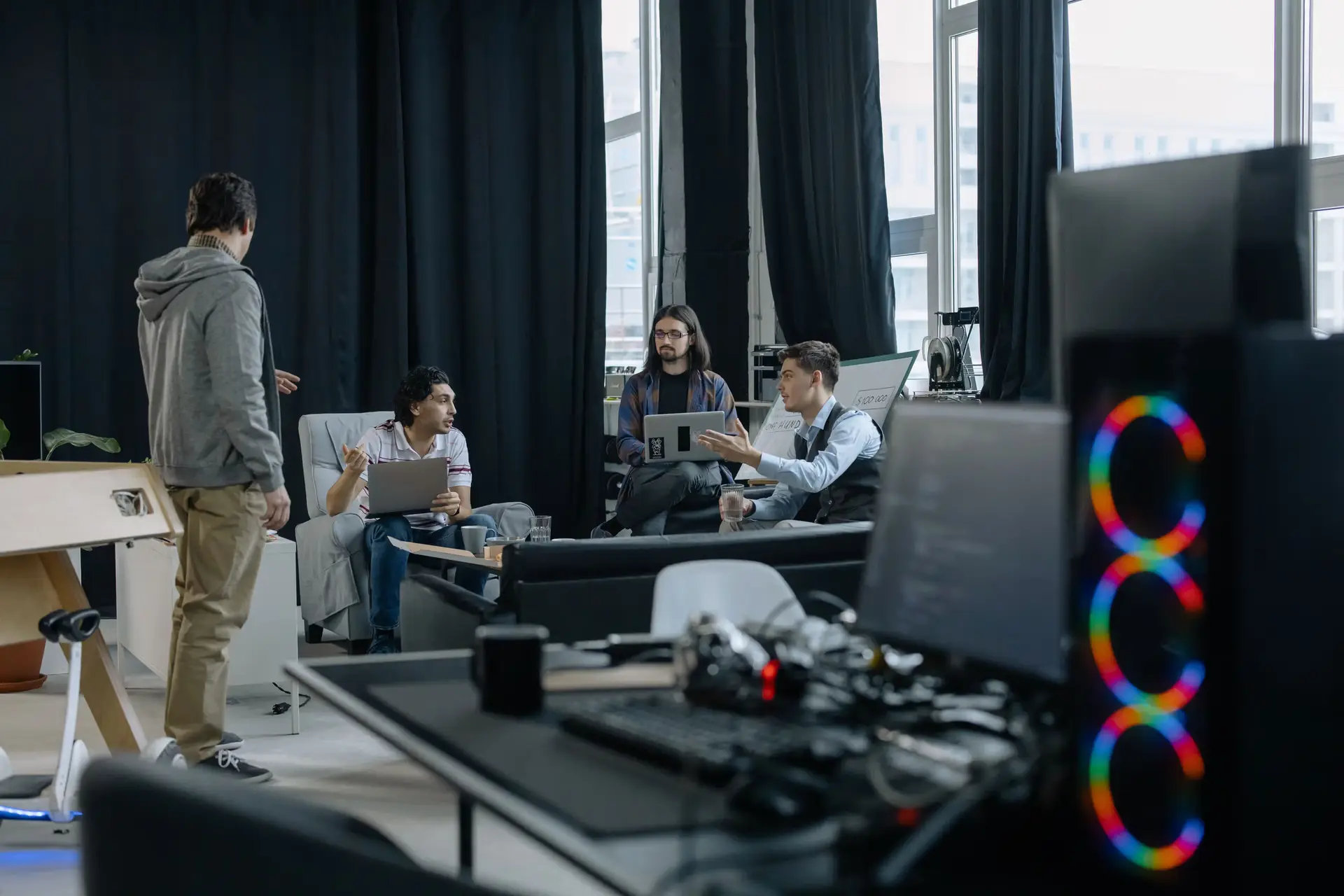
Silicon Valley has a fondness for building expensive sandcastles on borrowed foundations. The latest iteration comes courtesy of the neocloud sector—specialized data centre operators leasing computing infrastructure to artificial intelligence developers. Built on tens of billions in debt and backed by high-stakes expectations, these specialized compute providers are suddenly discovering the sharp limits of financial leverage.
The mathematical mechanics of the neocloud boom are simple, if precarious. Companies like CoreWeave buy massive arrays of graphics processors up front, securing funding by pledging both the physical hardware and long-term customer contracts as collateral. Lenders, looking past the modest balance sheets of the infrastructure firms themselves, underwrite these loans based on the credit ratings of clients such as Microsoft and Meta. That dynamic allowed market leader CoreWeave to accumulate $35.1 billion in debt.
Yet the model assumes that Big Tech’s infrastructure spending will expand indefinitely. When Microsoft and Google recently signaled a more conservative trajectory for AI expenditures, the financial logic strained immediately. CoreWeave lost a quarter of its equity value in a single month, a downturn matched by competitors like Nebius, IREN, and Applied Digital. Yield demands from credit investors have spiked simultaneously, while Australian operator Firmus abruptly pulled its public listing plans and British firm Nscale lost a key Microsoft agreement.
This sector did not emerge from thin air. Many of today's neocloud players originated in the speculative world of cryptocurrency mining. CoreWeave began in 2017 focusing on Ethereum, while IREN and Applied Digital similarly recycled their power-intensive operations into AI infrastructure when ChatGPT launched in 2022. Another participant, Nebius, rebranded in 2024 following its separation from Yandex NV, previously recognized as Russia's dominant search engine.
Whether these high-yield bets survive depends heavily on incoming market realities, including anticipated initial public offerings from OpenAI and Anthropic. US Treasury Secretary Scott Bessent recently sought to temper anxiety on CNBC, characterizing neoclouds as merely a minor segment within the broader tech ecosystem. CoreWeave leadership has likewise dismissed current market sell-offs as irrational, pointing to sustained demand for high-performance compute capacity.
Industry observers offer a far colder assessment. Market research firm Gartner predicts that 80 percent of neocloud companies will cease independent operations by 2030, while venture figures like Elon Musk foresee systemic consolidation claiming over 200 smaller operators. When capital becomes expensive and customer budgets normalize, running a capital-intensive utility on short-term market euphoria rarely ends well for the middleman.
Written by Freya Stensrud freya.stensrud@alpineweekly.com