Nov 1, 7:01 AM
Billionaires Above, Commuters Below: How Andermatt Exports Its Housing Problem
Faced with soaring rents in Uri, resort operator Andermatt Swiss Alps is filling empty military and railway housing in Ticino.
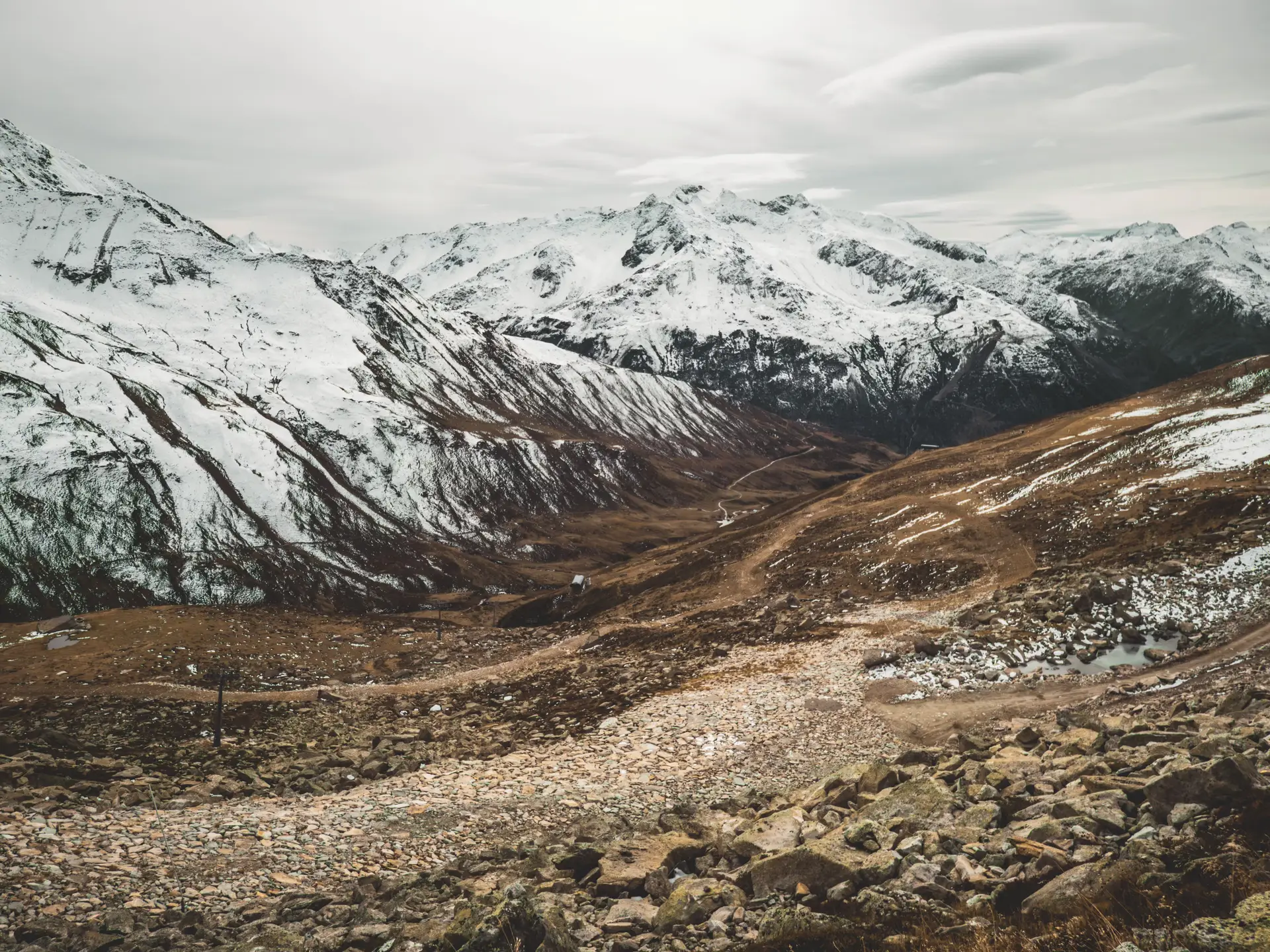
High-altitude luxury has a recurring habit of pricing out its own logistics. In Andermatt, where real estate developments backed by Egyptian investor Samih Sawiris have transformed a quiet mountain valley into an enclave for the wealthy, the personnel who keep the hospitality machinery running can no longer afford to live where they work. Capitalist success inevitably breeds operational bottlenecks. The market, however, rarely leaves an opportunity unexploited for long, even if the solution requires shuttling workers through a mountain every day.
Rather than constructing low-margin staff quarters in Uri—where land values reflect international glamour—Andermatt Swiss Alps has turned its gaze south of the Gotthard. Just thirty minutes away lies Airolo, a quiet Ticinese municipality in the Leventina valley long burdened by empty apartments and demographic stagnation. The resort developer has already acquired 29 apartments and rooms to house its seasonal workforce, expecting sixty to seventy employees to settle across the cantonal border starting next year.
The choice of properties carries a touch of historical irony. Among the buildings selected for modern hotel and service staff are former quarters for fortress guards and Swiss Federal Railways engine drivers. These structures, built to serve state defense and public infrastructure, will now shelter private resort labor. Hans Bandi, quality manager at Andermatt Swiss Alps, pointed out via broadcaster RSI that escalating costs in Andermatt made local housing increasingly unobtainable, leaving cross-cantonal relocation as the primary practical alternative.
For Airolo, this private sector maneuver is a welcome economic gift. Mayor Oscar Wolfisberg welcomed the renovation and leasing of long-vacant properties, noting that the agreement has already contributed to a five percent population increase this year. Yet the ultimate feasibility of this arrangement hinges on whether regional public transport can adjust to the chaotic schedules of the service industry. While a thirty-minute commute works well for standard day shifts, workers starting early in the morning or finishing late at night still face gaps in the timetable.
Whether this influx turns into lasting regional development or remains a convenient holding pen for temporary labor depends on Airolo’s ability to offer more than just cheap bedrooms. The Gotthard has long been viewed as a cultural and physical barrier between cantons. In the cold accounting of modern resort management, however, it is merely a thirty-minute commute separating those who enjoy the resort from those who keep it running.
Written by Martina Kirchner martina.kirchner@alpineweekly.com