
Oct 28, 1:02 PM
Gaza’s Winter Logistics: A Study in Institutional Gridlock
Blocked supplies, destroyed infrastructure, and local price spikes leave nearly 300,000 displaced families facing severe weather with little more than torn plastic.
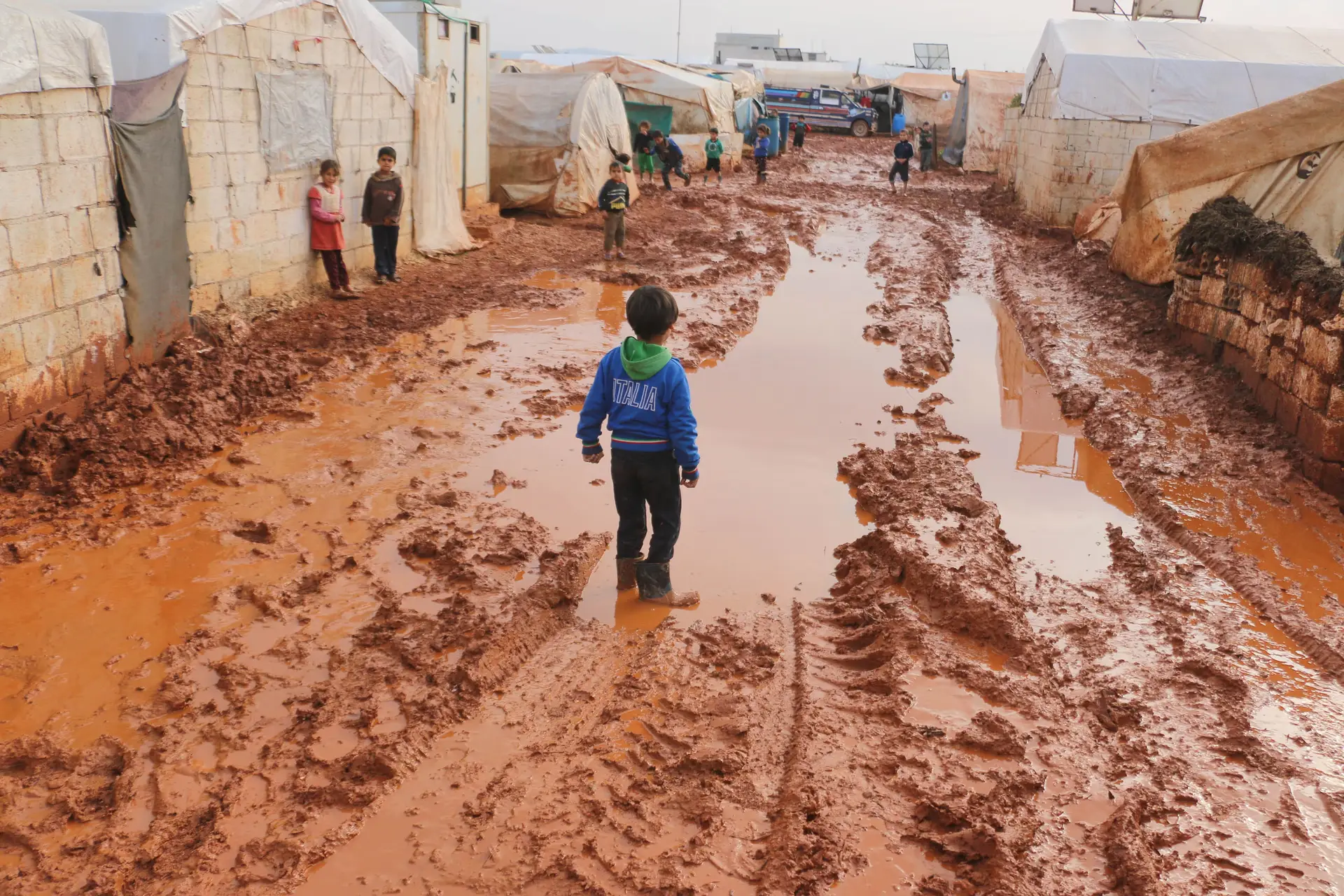
Winter in the Levant is neither subtle nor particularly forgiving. As coastal gales roll in off the Mediterranean, dropping temperatures toward seven degrees Celsius, the structural inadequacy of Gaza’s makeshift encampments becomes an inescapable reality. For roughly 1.5 million people currently living under tarpaulins and nylon sheets, this marks the fourth consecutive winter of displacement. Yet, despite the complete seasonal predictability of wind and rain, the basic logistics of humanitarian shelter remain extraordinarily broken.
The math behind the crisis reveals a staggering gap between administrative intent and physical delivery. According to data from the United Nations Office for the Coordination of Humanitarian Affairs, at least 294,250 families require immediate winterization assistance. However, existing distribution channels reach only 52,000 of them, leaving a meager 18 percent with access to even partial aid. More than 65 percent of displaced households reside in makeshift structures, with over half of these shelters officially categorized as being in poor or very poor condition. When basic shelter degrades into torn plastic, the line between living quarters and open air effectively vanishes.
This failure is not merely a matter of scarce materials, but one of severe supply chain paralysis. The Norwegian Refugee Council reported that at least 500 truckloads carrying critical shelter items, including tents, ropes, and tarpaulins, remain stranded in administrative and procurement limbo. At the current rate of clearance, processing these stalled supplies through border checks will take more than seven months. By the time these basic materials clear regulatory hurdles, the winter storm season will have long passed.
In the local camps, market mechanics offer no relief for displaced residents. With the conflict destroying local enterprise and leaving formal employment virtually nonexistent, basic pricing structures have become absurd. A simple replacement tarpaulin in Gaza’s local markets commands between 120 and 150 shekels ($37 to $47). For families relying on irregular stipends or surviving without any income, such sums are prohibitive. Patching degraded plastic with scrap materials remains the only rational, if utterly inadequate, economic choice available.
Compounding the shelter deficit is the broader collapse of public infrastructure. Husni Muhanna, a spokesperson for Gaza Municipality, noted that more than 85 percent of the city's infrastructure had been damaged and its rainwater drainage system was operating at about 20 percent of its previous capacity. Without functioning drainage networks or heavy equipment to clear rubble, winter rainfall inevitably merges with unmanaged wastewater, creating severe health hazards across flooded encampments. The annual return of harsh weather exposes a predictable institutional failure: when international logistics grind to a halt and local infrastructure collapses, basic human survival is left to weather the elements on sheer endurance alone.
Written by Freya Stensrud freya.stensrud@alpineweekly.com