Oct 28, 1:02 PM
Energy Pragmatism in East Africa
Tanzania breaks a decade-long drought in gas exploration, choosing domestic energy security over modern climate dogma.
While climate forums in Western capitals continue to draft blueprints for an immediate post-fossil future, East Africa is quietly focusing on what actually keeps the lights on. Tanzania has announced its first natural gas discovery in ten years, striking an estimated 223 billion cubic feet of reserves in the Mnazi Bay region.
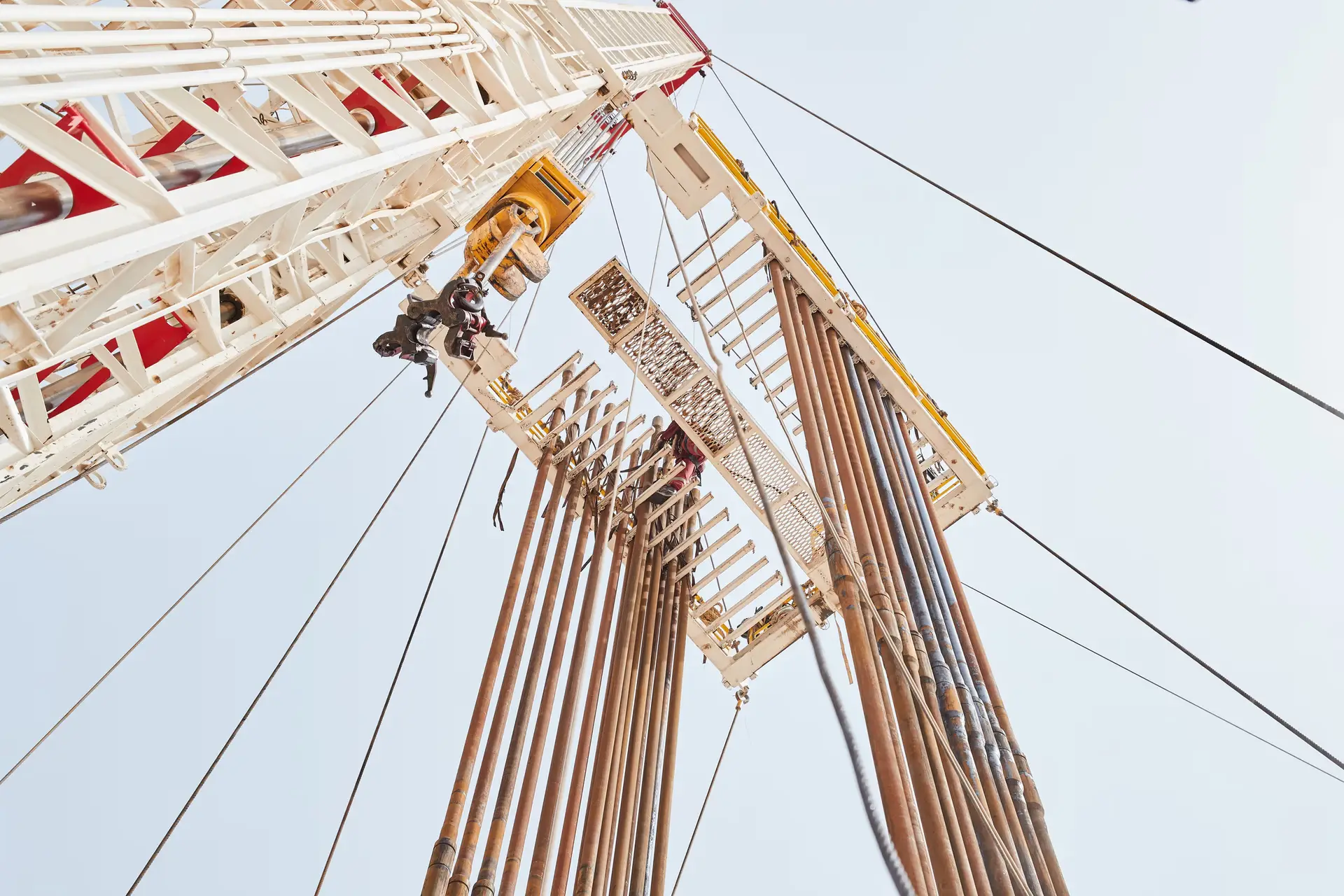
The find at the Kasa-1X ST2 well is no mere exploratory trophy to be archived for distant decades. Production is slated to begin as early as next month. Developed through a joint venture between the state-owned Tanzania Petroleum Development Corporation and the French energy company Maurel & Prom, the project aims directly at the country's immediate domestic needs: electricity grids, industrial plants, and compressed natural gas stations.
For a developing economy, energy policy is rarely a matter of ideological luxury; it is a question of basic grid stability. Government data from 2024 shows that natural gas already generates nearly 80 percent of Tanzania's electricity. In commercial hubs like Dar es Salaam, commuters have increasingly converted their vehicles to dual-fuel systems, bypassing high international petrol prices in favor of locally sourced gas. A reliable domestic supply is not an alternative energy experiment—it is the backbone of daily commerce.
Energy Minister Juma Homera noted at the wellhead ceremony that the discovery is important in ensuring the country has reliable, clean and safe energy at affordable costs, particularly at a time when demand is increasing due to industrial growth and other economic activities. This official endorsement puts industrial expansion directly at the center of the country's energy strategy.
This latest yield adds to an existing reserve base of 57.54 trillion cubic feet. Tanzania's hydrocarbon history is not new—the first offshore finds occurred at Songo Songo Island in 1974, followed by Mnazi Bay in 1982, though commercialization only gathered momentum in 2004. After a massive 2.7 trillion cubic feet discovery in 2016, exploration stalled into a decade-long pause. The resurgence of drilling activity reflects a realistic acknowledgement: industrial growth demands cheap, continuous power that weather-dependent energy models simply cannot guarantee for a growing nation.
Written by Thorben Thiede thorben.thiede@alpineweekly.com