Oct 22, 6:01 AM
Fourteen Freezers and a $10,000 Fine: Victoria’s Absurd Wildlife Dilemma
When a quiet antique dealer turns his home into an illegal fauna repository, the state’s regulatory bite looks remarkably soft.

Fourteen freezers packed with hundreds of silent native birds, echidnas, and dozens of emus do not usually feature in the business plan of a quiet regional antiques shop. Yet in Kyneton, Victoria, a 74-year-old trader managed to quietly assemble a private, unlicensed natural history repository that went unchecked until authorities executed search warrants on his property and store. The sheer scale of the operation leaves one wondering how such an enterprise flourishes right under the nose of regulatory oversight.
When Glenn Richard Rollo appeared before the Kyneton local court, he pleaded guilty to 13 charges ranging from the unlawful possession and sale of protected wildlife to neglecting sick animals. Magistrate Patrick Southey remarked that it was bewildering that a man of the defendant's intelligence and love of wildlife would so comprehensively flout the law. The judicial response to this massive hoarding effort was a $10,000 fine.
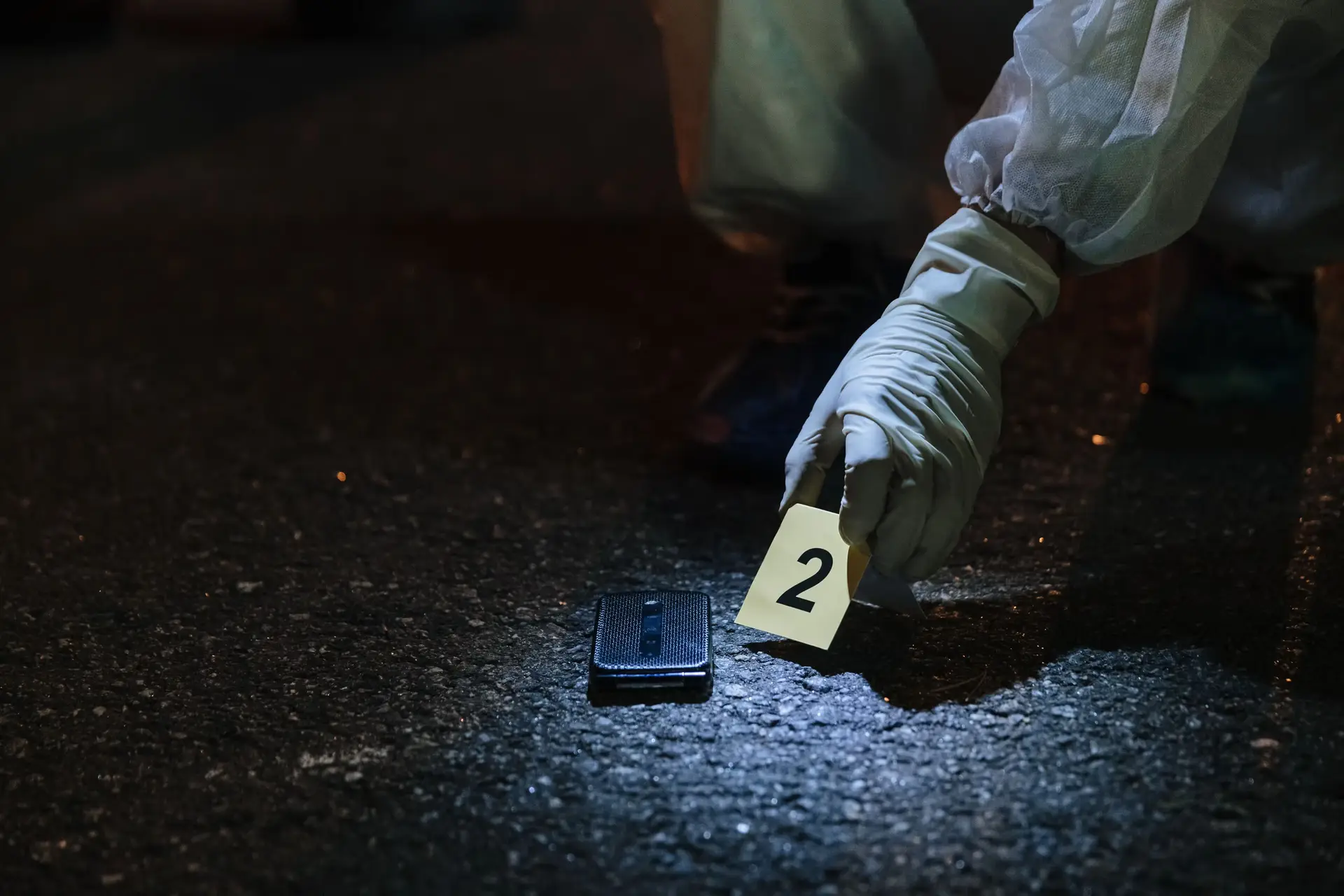
The details uncovered by Conservation Regulator Victoria during their searches illustrate a bizarre breach of statutory requirements. Authorities found more than 700 dead native animals—including 78 emus, 42 brushtail possums, 26 echidnas, and threatened species like the barking owl—stored across 14 freezers alongside taxidermied displays. Tucked away in enclosures were 15 live reptiles, including non-native red-eared slider turtles and corn snakes, six of which were suffering in conditions below required welfare standards.
Victoria’s Wildlife Act 1975 mandates clear licensing protocols for commercial or private possession and trading of native fauna, living or dead. Emphasizing that compliance is mandatory, Cal Heppell of the Conservation Regulator noted that laws and permit systems help protect wildlife from unlawful exploitation, ensure animals are appropriately cared for and safeguard Victoria’s environment and biodiversity from potential threats. Yet, when enforcement relies on periodic raids, its ability to deter determined collectors remains questionable.
The outcome has predictably ignited political pushback regarding whether five-decade-old statutes are fit for purpose. Animal Justice Party MP Georgie Purcell publicly questioned the efficacy of the penalty, pointing out that a $10,000 fine for accumulating hundreds of protected animals acts as little more than a mild administrative cost rather than a genuine deterrent. If statutory compliance is to mean anything, state mechanisms might need to reconsider whether nominal financial sanctions can ever match the scale of commercial lawlessness.
Written by Christiane Hofreiter christiane.hofreiter@alpineweekly.com