
Nov 5, 5:01 PM
European Union Plans AI Literacy Certificate for Secondary School Students
Brussels proposes a voluntary digital credential for 15-year-olds starting in the 2027–2028 school year.
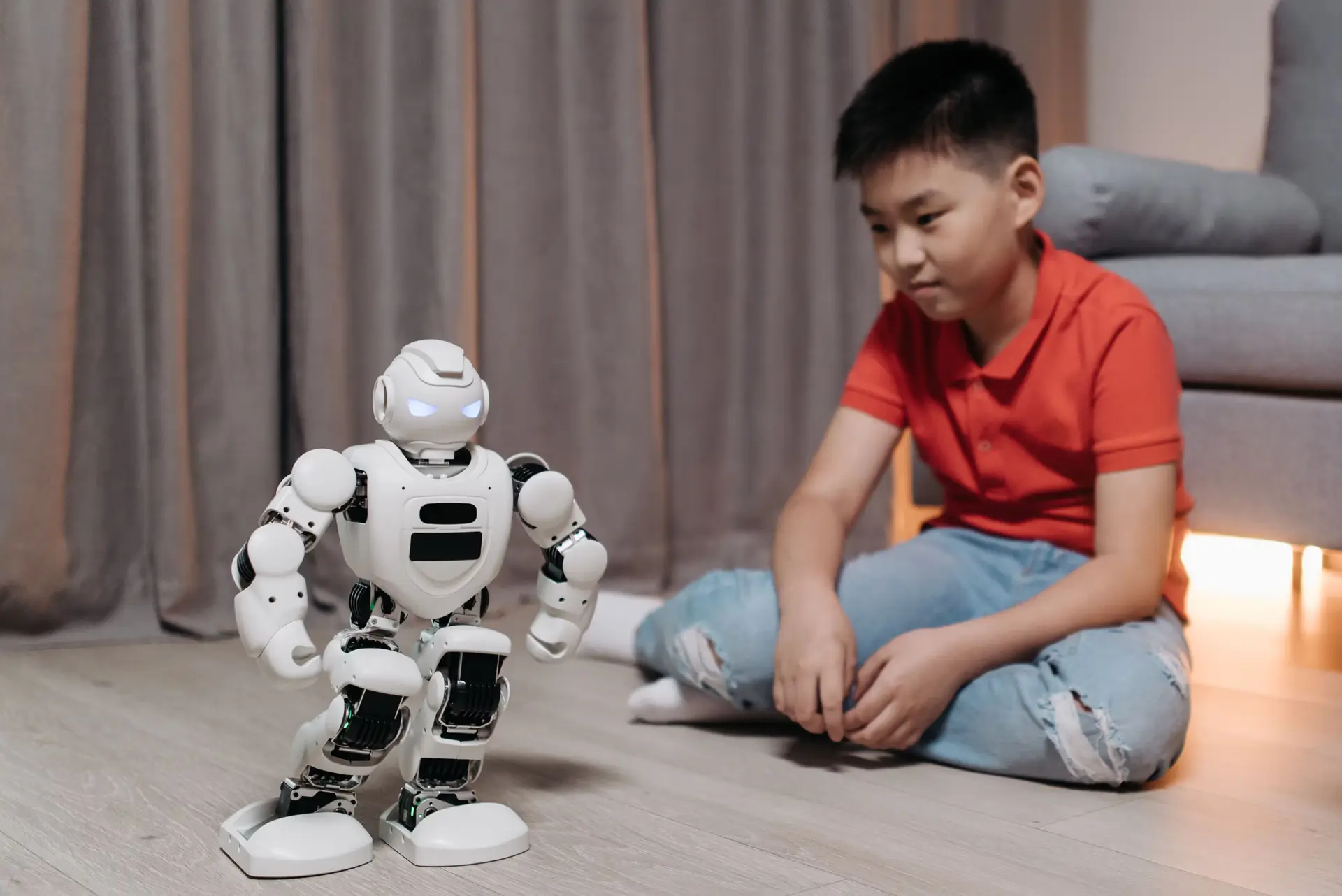
The European Commission plans to introduce an "AI literacy" certificate for 15-year-old students across member states starting in the 2027–2028 school year. The initiative aims to address the integration of artificial intelligence in education by providing standardized guidance for secondary school pupils.
European Commission Vice President Roxana Minzatu stated that the certificate is intended to help young learners comprehend how artificial intelligence operates, verify the accuracy of generated information, identify online manipulation, and recognize when to disengage from automated systems. Brussels officials indicated that the programme will target students at age 15 to prepare them for increasingly digital learning environments.
The initiative arrives alongside mounting concerns regarding basic academic competencies across the European Union. According to figures from the 2025 Programme for International Student Assessment (PISA), approximately one-third of 15-year-old students in EU member states fell short of baseline standards in reading literacy and mathematics. The Commission stated that artificial intelligence technologies, such as personalized digital tutoring systems, could assist educators in addressing these deficiencies.
Under EU treaties, the European Union holds no direct legal competence over the education systems of its member states, leaving curricular decisions to national and regional authorities. Consequently, participation in the certification scheme will depend on voluntary adoption by individual governments. The Commission is currently supporting research projects to analyze the safe integration of automated systems into secondary school instruction.
In parallel with the digital skills effort, the Commission is advancing legislative proposals designed to restrict young teenagers' access to social media platforms. Minzatu defended the dual approach, arguing that educational applications such as automated tutoring differ fundamentally from the algorithmic engagement models employed by commercial social media networks.
Written by Thorben Thiede thorben.thiede@alpineweekly.com