Nov 5, 5:01 PM
Referendums and Federalism Keep Swiss Consumption Taxes Below European Averages
Direct democracy and direct taxation limit federal VAT increases in Switzerland, according to macroeconomist Hans Gersbach.
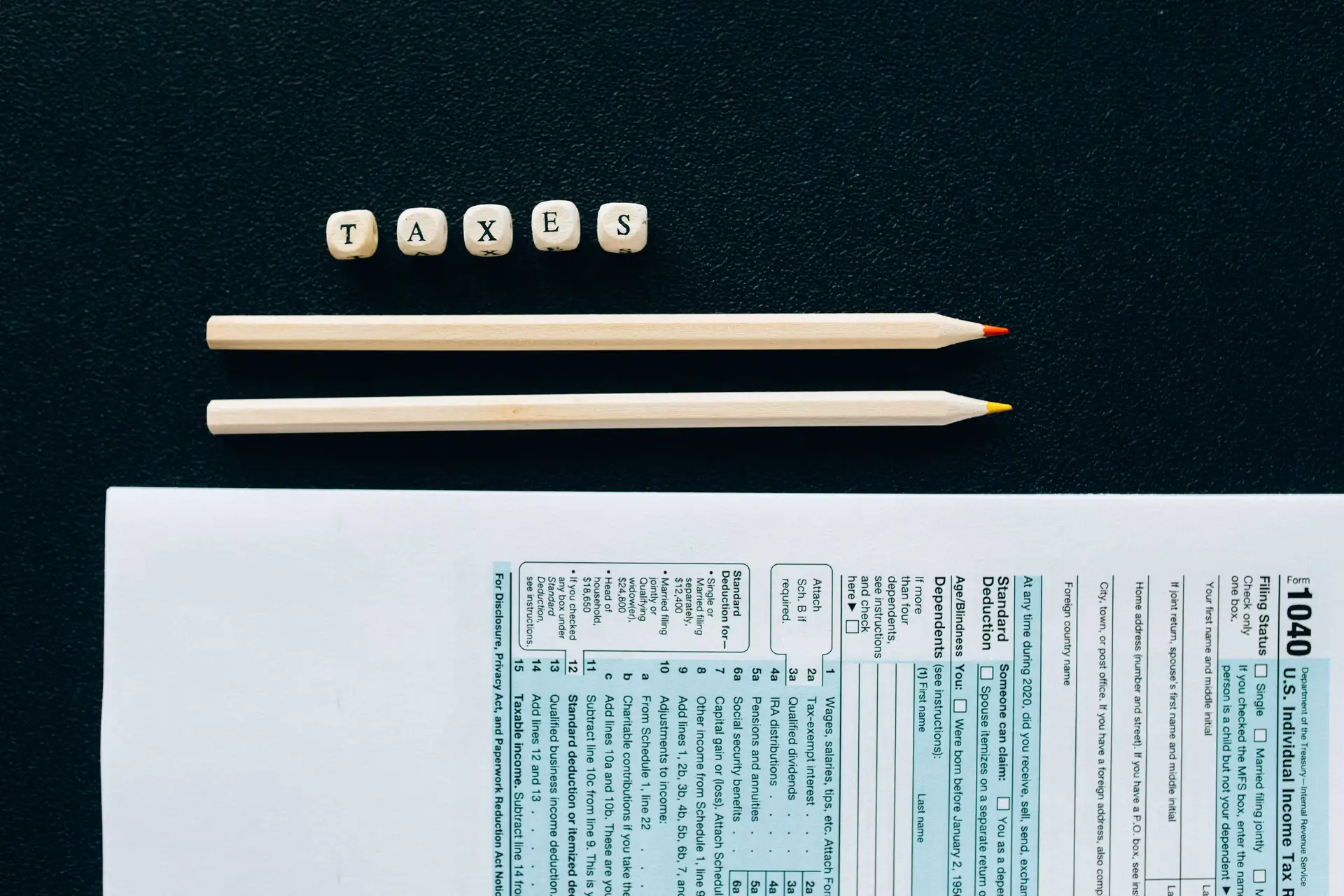
Switzerland maintains Value-Added Tax (VAT) rates that are less than half of those imposed by neighboring European nations, driven by constitutional mechanisms that grant citizens final approval over tax increases. According to an analysis by Hans Gersbach, macroeconomics professor at ETH Zurich and co-director of the KOF Swiss Economic Institute, direct democratic control serves as a systematic limit on federal spending proposals.
In contrast to representative democracies, Swiss federal authorities must submit any proposed adjustment to the VAT rate directly to a popular vote. Gersbach noted that while indirect taxes like VAT are frequently favored by legislatures because the burden is broadly distributed across consumers, mandatory referendums require Swiss politicians to provide detailed justifications for additional public revenue.
The decentralized structure of the Swiss confederation reinforces expenditure control. Cantons and municipalities retain significant fiscal autonomy, which fosters local competition and keeps spending decisions close to voters. Public spending in Switzerland is also financed more heavily through direct levies, such as income, wealth, and corporate taxes, rather than indirect taxation.
Differences in social security funding also explain the lower reliance on consumption taxes. While countries such as Germany utilize portions of their national VAT revenues to subsidize statutory health insurance funds, Switzerland finances healthcare primarily through individual per-capita premiums. Pension funds are similarly structured around private and occupational savings rather than general tax distributions.
Although Swiss consumption tax rates have risen incrementally over recent decades, Gersbach dismissed warnings that the country is steadily converging with higher European levels. He pointed out that political systems enabling parliaments to raise taxes without direct citizen approval experience higher risks of uncontrolled fiscal expansion.
Written by Andreas Hofer andreas.hofer@alpineweekly.com