Nov 6, 1:00 PM
European Law Enforcement Assesses Tactics and Origins of Black Bloc Protesters
Security reports estimate thousands of activists deploy anonymous attire and mobile tactics during public demonstrations across Europe.
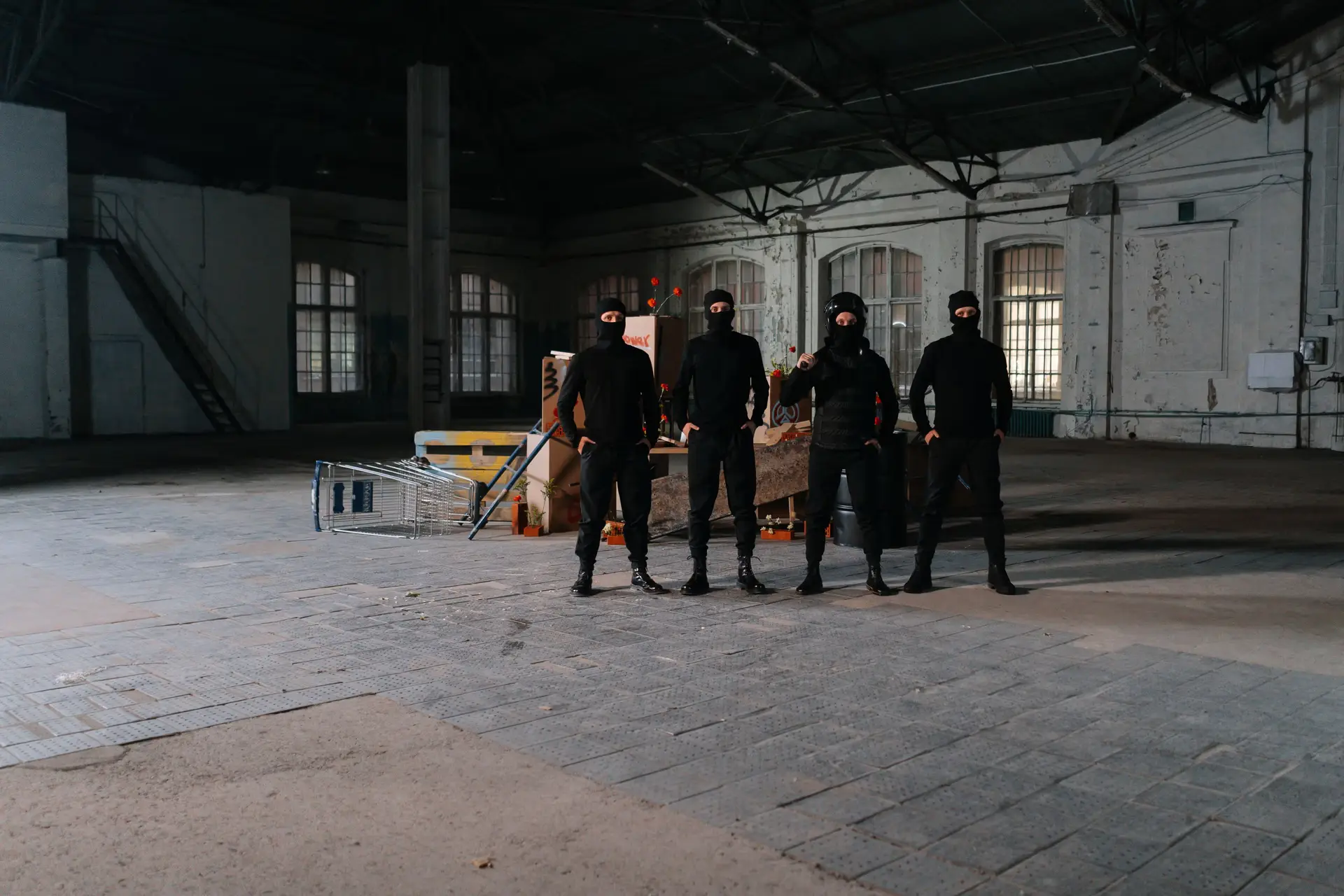
Police agencies and intelligence services across Europe estimate that between 5,000 and 7,000 activists operate within the loose network known as the Black Bloc. The tactical phenomenon, characterized by demonstrators dressed entirely in black clothing and face coverings, continues to feature prominently in civil unrest across France, Italy, and Germany.
According to political science professor Francis Dupuis-Deri of the University of Quebec in Montreal, the tactic originated during the 1980s within the West German social movement known as autonomia. Dupuis-Deri stated that early participants operated from an anarchist perspective, opposing state authority, capitalism, organized political parties, and trade unions. The uniform attire of leather jackets, hoodies, helmets, and bandanas was adopted primarily to prevent identification by law enforcement authorities during violent confrontations.
European law enforcement reports outline specific tactical methods used by these groups during public demonstrations. A 2023 Italian government police training document described the movement's approach as an anarcho-insurrectionist tactic focused on infiltrating peaceful assemblies. According to the report, small teams carry out advance reconnaissance of targeted urban areas, divide operations into designated sectors, and execute deliberate diversionary acts to draw security forces away from primary destructive targets.
Governments in several nations have highlighted the impact of these groups on public safety. Speaking in parliament, French Interior Minister Laurent Nunez stated that today, at every social demonstration of any significant size, we find Black Blocs who come to smash things and attack the internal security forces. In Italy, recent demonstrations in Rome, Milan, and Turin resulted in clashes with police, property damage, and arson, though Italian Member of the European Parliament Mario Furore noted that recent incidents in Milan involved very young individuals and copycat behavior rather than established networks.
An official associated with a left-wing French European Parliament member declined to comment officially on the group's presence at recent rallies, stating anonymously that isolated violent acts were being used by the government to criminalize legitimate political movements. Historians of the movement point to major prior confrontations involving Black Bloc tactics, including the 1999 World Trade Organization meeting in Seattle and the 2016 labor law protests in France, both of which resulted in widespread arrests and injuries to law enforcement personnel and demonstrators.
Written by Thorben Thiede thorben.thiede@alpineweekly.com