Oct 28, 7:01 PM
Dry Taps in Aargau: When Swiss Order Meets Hydrological Reality
A severe groundwater shortage in the Suhrental forces mandatory rationing and exposes the limits of administrative foresight.
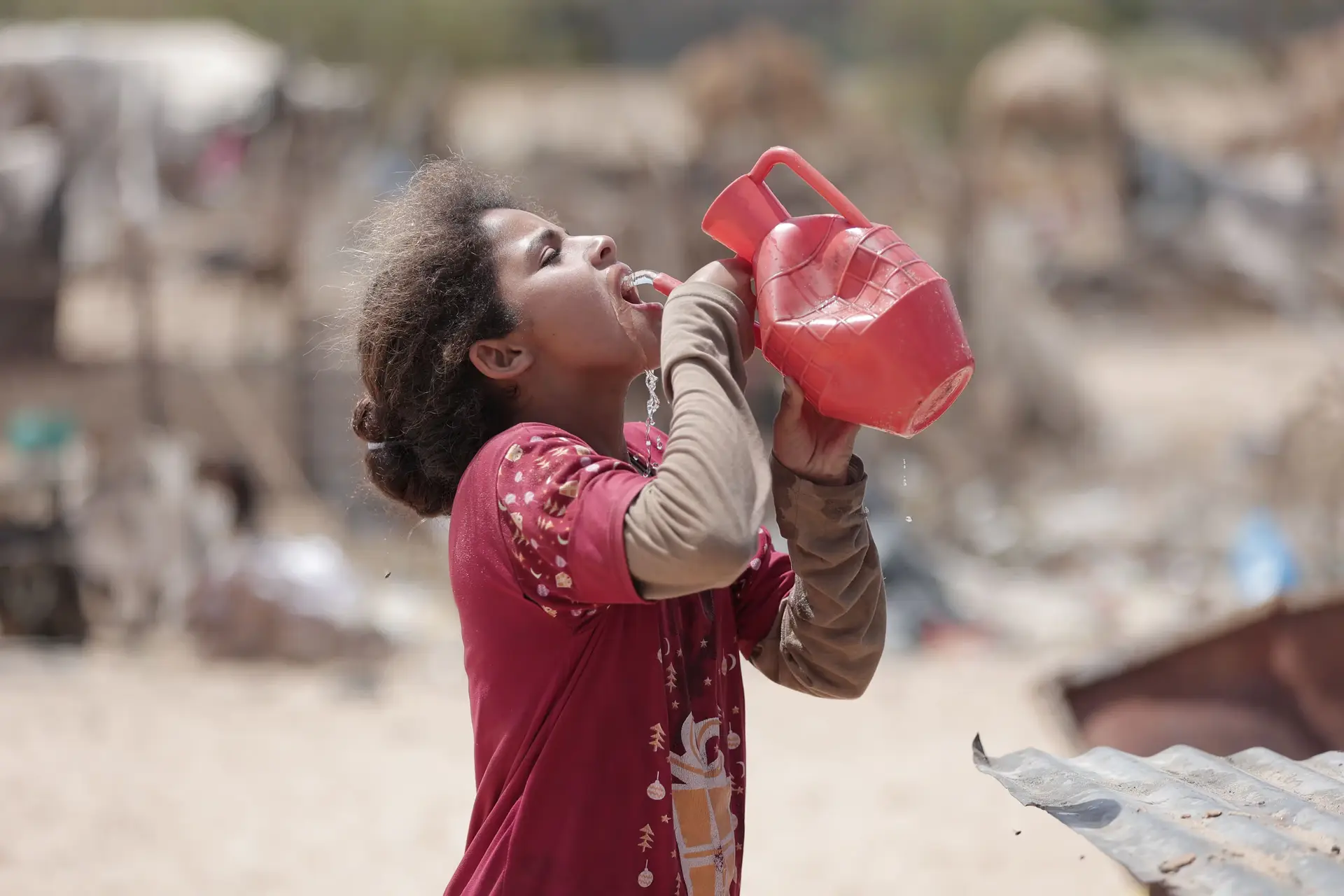
In one of the wealthiest and most meticulously ordered corners of Europe, there is a comfortable assumption that municipal infrastructure functions seamlessly by default. Yet in the Suhrental region of Canton Aargau, local authorities recently discovered that even flawless administration cannot manufacture rain. Having watched groundwater levels drop steadily since 2024, the regional water association was forced to pull its emergency protocol from a drawer far sooner than anticipated, formally declaring a level two crisis across fifteen municipalities.
Beginning November 2, the reality of dry aquifers arrives in the form of municipal decrees and financial penalties. Private citizens are banned from washing cars, roofs, or solar panels, with violations drawing fines of several hundred francs. Meanwhile, commercial enterprises and agricultural operations must curb their water usage by ten percent. For companies accustomed to Swiss precision, the adjustment is less about bureaucracy and more about pragmatic survival. At the Hochuli concrete plant in Kölliken, which consumes roughly 100,000 liters of groundwater daily to fulfill construction contracts, management dismissed administrative safety valves like state-subsidized short-time work, choosing instead to maximize rainwater harvesting and internal recycling to keep operations moving.
The underlying hydrology paints a bleak picture for a canton accustomed to natural abundance. The Suhre river, fed by Lake Sempach, has seen its level drop so drastically that water is currently being pumped back into the stream merely to keep the fish population alive. Below ground, pumping stations are being taken offline one by one; in Kölliken, the water reserve has dwindled to half a meter, strictly reserved for extreme emergencies. While local officials recently demonstrated that water could be piped eighteen kilometers from Aarau's reserves, the technical effort is immense, and the operational costs would nearly quadruple prices for end consumers.
Long-term remedies exist, but they move at a pace that borders on administrative satire. A planned regional pumping station in Muhen, designed to tap deeper subterranean reserves, is not expected to operationalize for another decade. In the short term, the region remains entirely reliant on immediate demand reduction. Should winter rains fail to materialize, escalation level three awaits in January, bringing a fifty percent reduction mandate. It provides a blunt demonstration that even the most well-funded canton cannot simply subsidize its way out of a dry well.
Written by Andreas Hofer andreas.hofer@alpineweekly.com