Nov 4, 3:01 PM
Cyberattack Targets French Blood Agency's Refrigeration Infrastructure
Hackers raised storage temperatures to 110 degrees Celsius in the latest of a series of intrusions against European cooling systems.
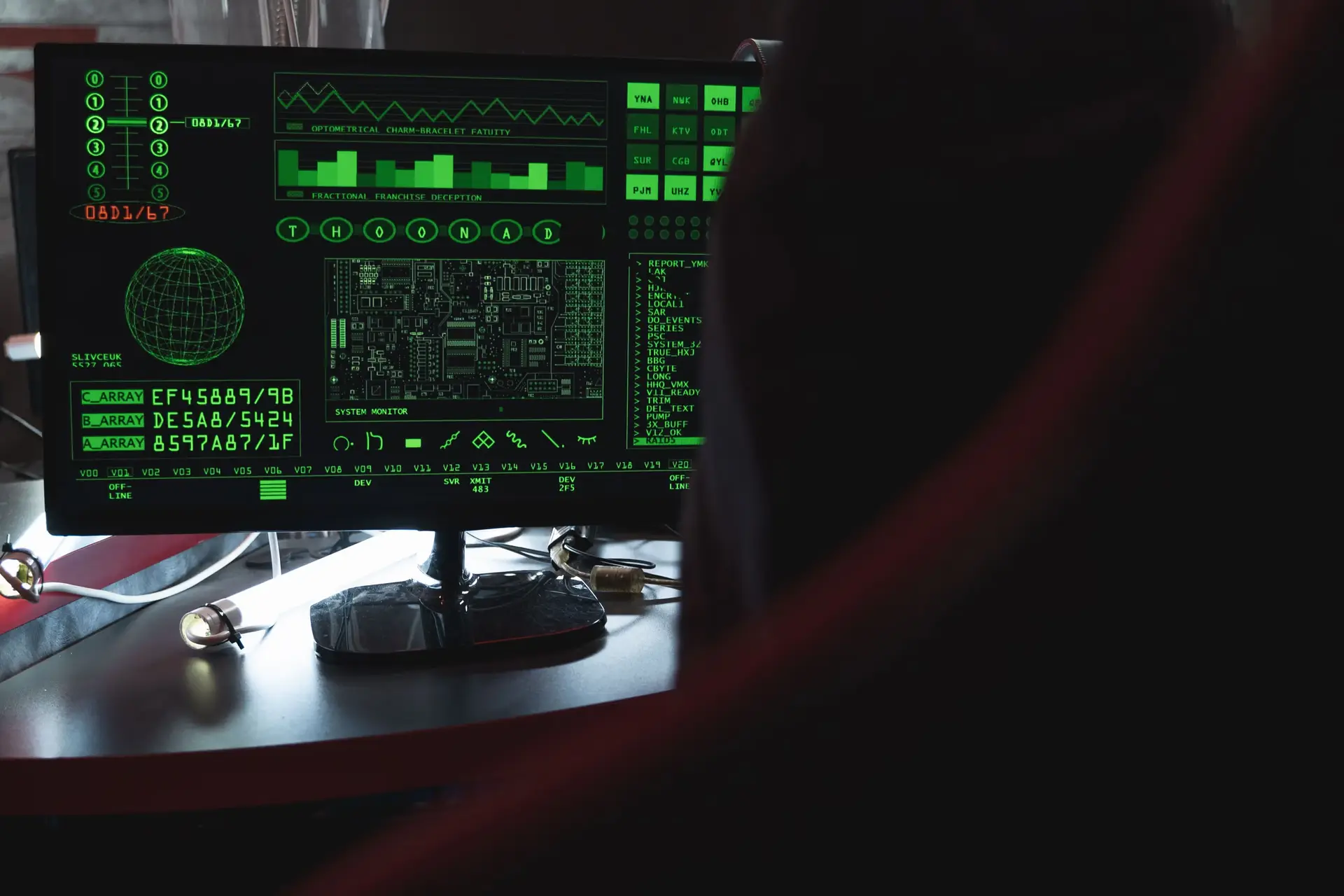
Unknown perpetrators have targeted the digital control systems of the French blood transfusion service, Établissement français du sang (EFS), manipulating cold storage units to reach extreme temperatures. The incident occurred overnight into Monday, when cooling facilities designed to maintain stored blood plasma at minus 30 degrees Celsius were remotely set to 110 degrees Celsius.
The surge in temperature was discovered early by an on-duty technician, according to reports first published by the newspaper Le Canard enchaîné. The French Ministry of Health confirmed the intrusion, stating that there was no disruption to medical operations because the anomaly was identified before serious damage occurred. Had the temperature rise gone unchecked, the heat would have destroyed essential antibodies, rendering the stored blood samples unusable for transfusion purposes.
The compromised equipment consisted of specialized cooling cabinets manufactured by the firm Coolwood. Interventions were recorded primarily in the eastern region of Bourgogne-Franche-Comté, which borders Switzerland. The facilities held blood preparations and plasma intended for transfusions across regional medical centers.
The cyberattack on the French blood agency follows a broader pattern of intrusions targeting commercial refrigeration infrastructure across Europe over recent weeks. In mid-October, a digital attack hit approximately 700 supermarket branches in France, affecting systems at major retail chains including Carrefour, Intermarché, and Coopérative U. Similar incidents targeting cooling networks have also been reported in Belgium, Luxembourg, the Netherlands, Sweden, Ireland, Finland, and Estonia.
In Germany, several retail locations have experienced comparable digital interventions, according to the Federal Association of the German Retail Grocery Trade. Affected facilities include a Rewe store in Raesfeld, North Rhine-Westphalia, Edeka outlets in Lilienthal and Reisbach, as well as two CAP markets in Wuppertal and Wetter-Volmarstein. The forced temperature changes caused stored food supplies in those locations to spoil, requiring complete disposal of affected inventory.
No group has claimed responsibility for any of the attacks on refrigeration networks, leaving it uncertain whether the operations were conducted by independent cybercriminals or state-backed groups. The German Federal Ministry of the Interior stated that security agencies currently possess no intelligence attributing the incidents to a specific entity. At the present time, the BMI has no information that would allow these attacks to be definitively assigned to a specific actor or a state agency, a spokesperson for the ministry stated, adding that investigative authorities are collaborating on technical analyses.
Technical analysts indicate that industrial control systems managing institutional refrigeration are frequently vulnerable to low-complexity cyber intrusions if left improperly secured. The German Federal Office for Information Security has called on infrastructure operators to immediately audit their digital control systems and implement security protocols to protect connected facilities.
Written by Freya Stensrud freya.stensrud@alpineweekly.com