Nov 4, 3:01 PM
Wave of Protests and Industrial Action Spreads Across European Nations
Governments introduce stricter security measures and minor reforms as fiscal pressures restrict public spending across the continent.
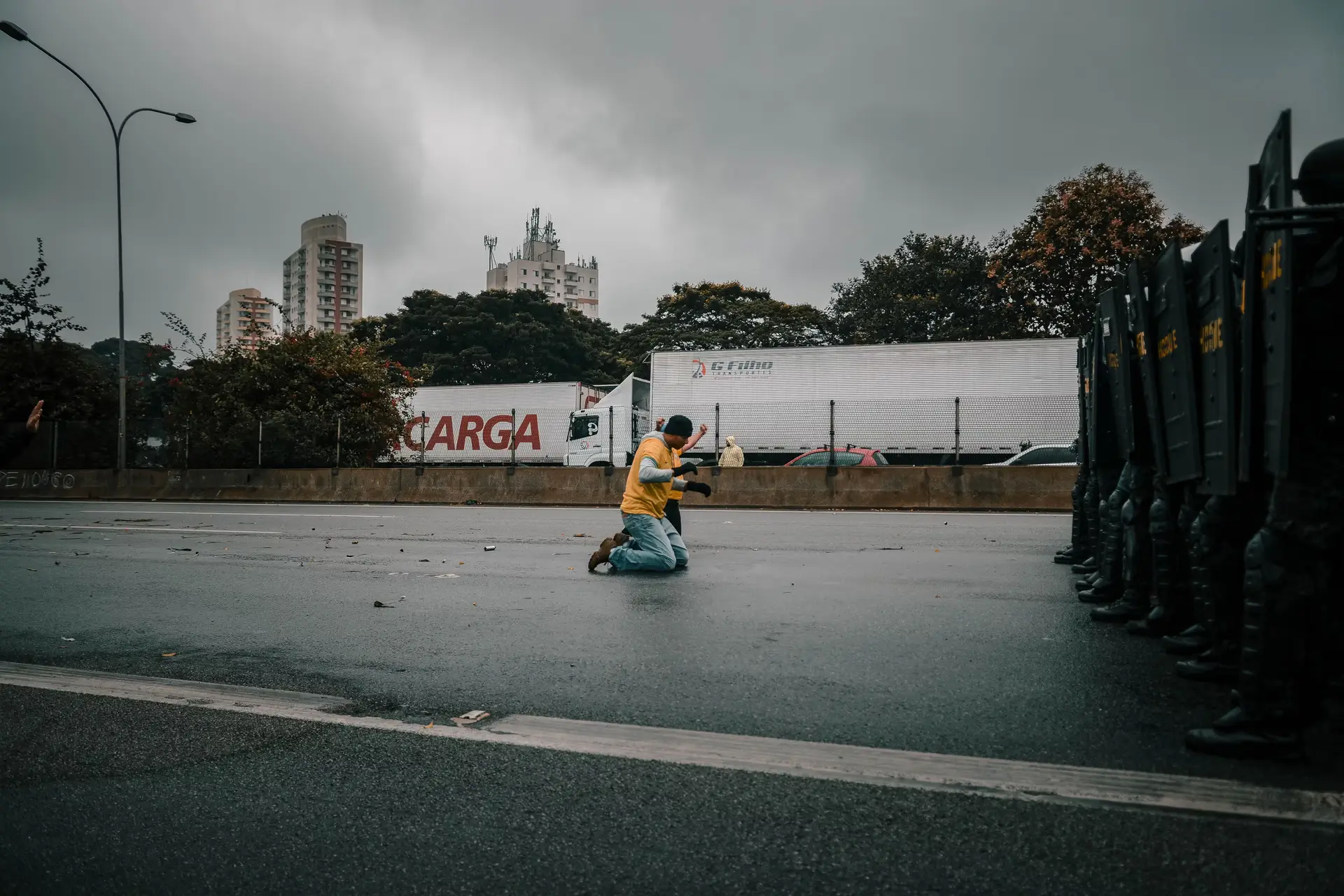
Demonstrations and industrial action have expanded across at least eight European countries, as citizens protest against rising living costs, public service shortages, and government policies. Academic experts and international observers report that the unrest reflects widespread dissatisfaction with political and economic structures, while several national governments have responded primarily with enhanced security measures and public order legislation.
In France, high school and university students have blockaded institutions over physical classroom conditions and the Parcoursup admissions system. Education Minister Edouard Geffray announced policy adjustments, including a limit of 28 students per first-year high school class and 10,000 new technical higher education places, though blockades persisted. In Italy, following demonstrations organized by the USB union against defence spending, the government led by Prime Minister Giorgia Meloni enacted legislation establishing fines of up to 20,000 euros and prison terms of up to five years for participation in violent group demonstrations, while introducing parental liability for minor offenders.
Spanish police dismantled a tent camp in Madrid’s Puerta del Sol square overnight, removing 334 people following weeks of unrest over housing affordability. The protests in Spain began after the eviction and subsequent death of an 87-year-old pensioner, prompting the government to adopt temporary limits on rent increases and protections against eviction. Elsewhere, metal and electrical workers in Germany staged strikes alongside student demonstrations concerning potential military conscription, while Belgian firefighters marched through Brussels to demand additional staff and equipment.
Political analysts note that the scope of the demonstrations has broadened beyond specific material demands. Donatella della Porta, a professor at the Scuola Normale Superiore in Florence, stated that the movements now encompass opposition to military expenditure, political alliances with US President Donald Trump, rising fuel costs, and the ongoing war in Iran and conflict in Palestine. UN High Commissioner for Human Rights Volker Turk voiced concern over the excessive use of force by European law enforcement against protesters, a sentiment echoed by Human Rights Watch regarding police actions in France.
The growing social unrest comes as several European economies navigate constrained public budgets alongside rising security expenditures. Italy’s public debt is projected to reach 138.5 percent of gross domestic product in 2026, while France’s deficit is forecast at 5.4 percent of gross domestic product, above European Union fiscal targets. Labor unions and protest organizers have announced further coordinated action, including a nationwide strike in France on 5 November and a general strike over housing and living costs in Spain on 11 November.
Written by Christiane Hofreiter christiane.hofreiter@alpineweekly.com