Oct 19, 4:01 PM
Correctional Correction: Ticino Finally Remembers Its Female Inmates
After two decades of improvising solutions and locking women in remand cells, the border canton opens a dedicated wing at La Stampa.
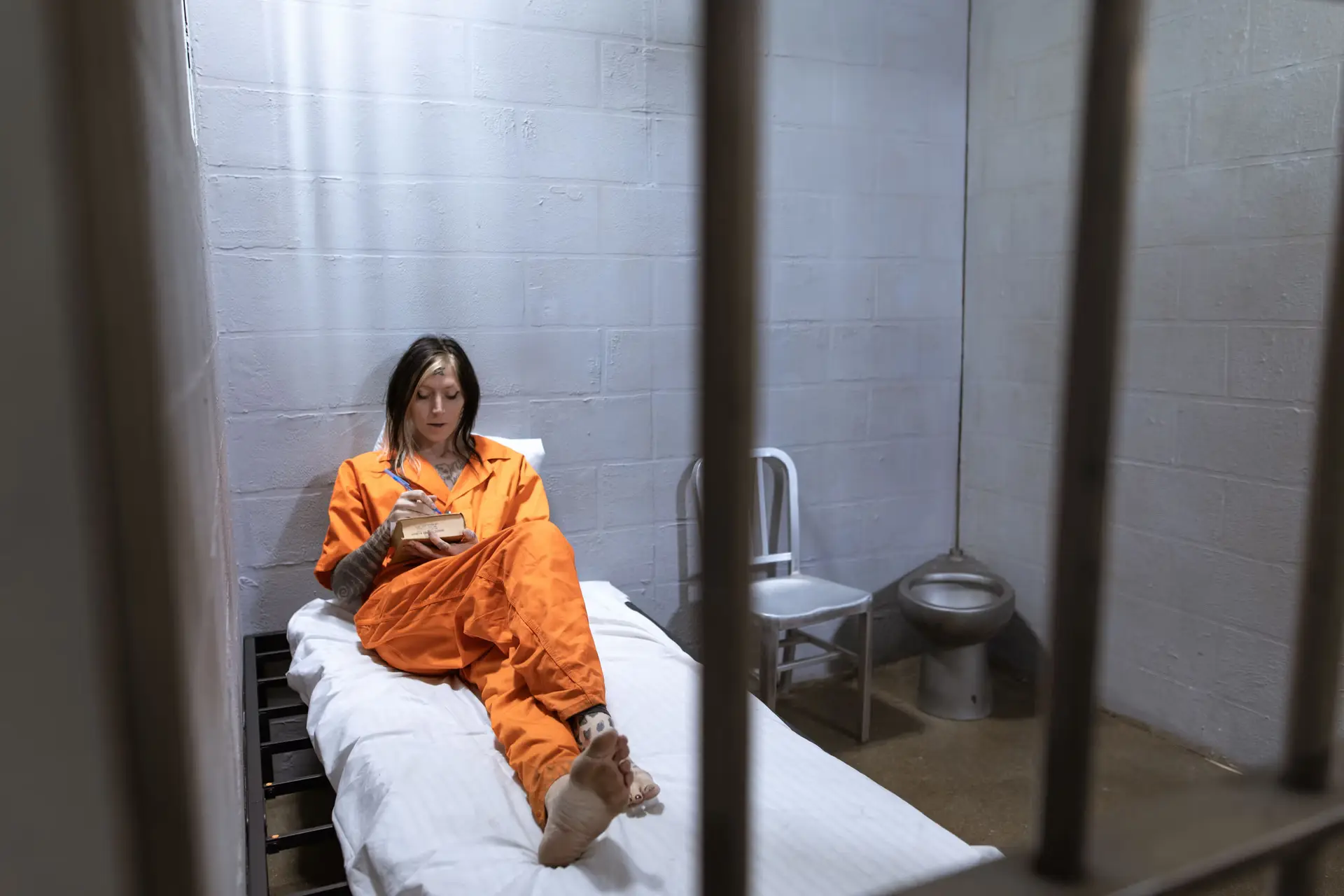
Two decades ago, officials in Ticino made a classic administrative calculation: with only three female inmates on their hands, they closed the women's wing at Lugano’s La Stampa prison to accommodate an expanding male population. Efficiency won the day. The side effects—shipping convicted women across linguistic boundaries or housing them in pre-trial detention cells for twenty-two hours a day—were treated as mere collateral damage of budget and spatial management.
That compromise has finally expired. Facing a female inmate population that now accounts for roughly six percent of the canton's prisoners, the Ticino Department of Justice and Police has opened a new eleven-bed female unit at La Stampa. Nine cells are already occupied. For years, women serving sentences under a year were routinely kept at the La Farera remand facility, enduring conditions far harsher than those designed for regular penal execution, with virtually no access to educational programs or vocational rehabilitation. Longer sentences meant exile to extra-cantonal facilities, incurring substantial financial expense while cutting inmates off from family connections across language barriers.
The administrative fiction that this setup was acceptable crumbled under scrutiny. The cantonal justice department conceded in 2023 that detention conditions for women were overly strict, and a visit by the National Commission for the Prevention of Torture in 2024 brought formal criticism. The broader context remains tied to Ticino's geography. As prison director Stefano Laffranchini observed, the canton's position as a transit region brings specific pressures: cross-border theft, drug trafficking, and challenges linked to migration flows consistently test facility capacities.
The newly established wing at La Stampa offers a different approach to detention. Equipped with shared communal areas, a large kitchen, a workshop, and a designated cell for a mother with a child under three years old, the facility aims to restore some degree of daily structure. In an unconventional twist for Swiss correctional design, inmates are provided with keys to their own cells, allowing them personal privacy while wardens retain master access. Cantonal officials suggest that if this model of inmate autonomy proves viable, similar measures could eventually be extended to male prisoners. Whether this represents a genuine shift in penology or merely an overdue correction to twenty years of bureaucratic oversight remains an open question for the taxpayers footing the bill.
Written by Martina Kirchner martina.kirchner@alpineweekly.com