Oct 19, 4:02 PM
The Failure of Tariff Fortress Europe
Brussels tries to lock out Chinese electric vehicles, but Paris shows the market is moving on regardless.
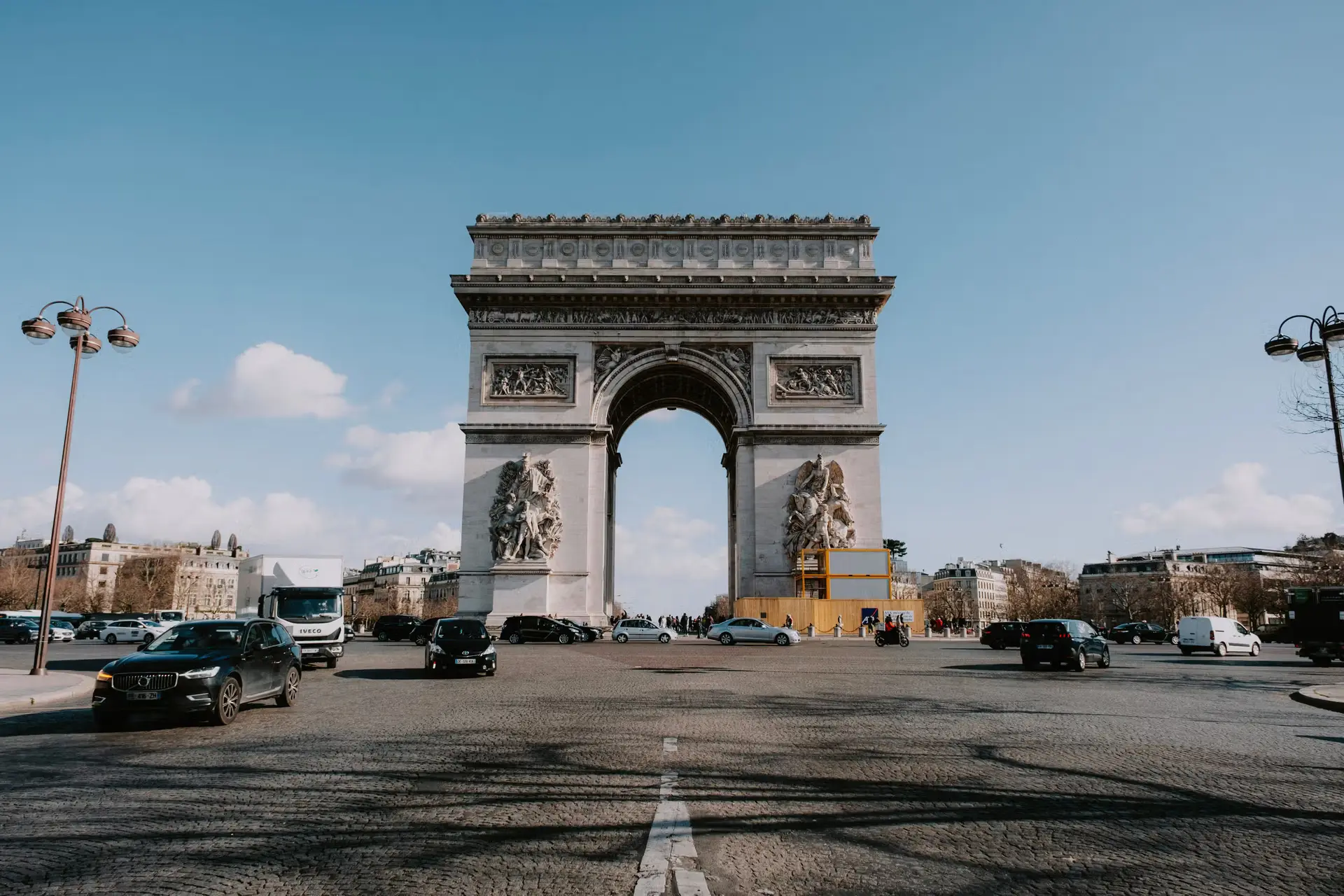
When visitors poured through the turnstiles at the Mondial de l'Auto in Paris, they were treated to a striking demonstration of shifting economic gravity. Of the 60 carmakers on display at the biennial exhibition, 25 hailed from China. Names like Zeekr, Changan, Denza, and AITO dominated the floor, using France's flagship automotive gathering to showcase their technological features and design choices directly to European consumers seeing them in person for the first time.
The heavy presence of Chinese marques unfolds against a backdrop of mounting trade friction between Brussels and Beijing. True to form, European Union officials have responded to rising foreign competition by reaching for their favorite tools: tariffs, export quotas, and regulatory barriers. Among the latest interventionist measures is a deal designed to cap the number of Chinese-made hybrid vehicles entering the European market.
Watching trade technocrats attempt to engineer market outcomes offers a familiar spectacle. Rather than retreat under the weight of European duties, Chinese manufacturers are demonstrating how quickly private enterprise outmaneuvers bureaucratic planning. To sidestep trade penalties entirely, several Chinese companies have already begun constructing and operating manufacturing plants within Europe itself, turning regulatory walls into minor detour signs.
The spectacle in Paris underscores a fundamental lesson that state-managed economies regularly fail to grasp. Imposing tariffs and capping imports may provide political cover for domestic leadership, but it does not address the underlying cost and innovation pressures facing European industrial players. Bounded by administrative burdens and industrial policies enforced from above, European automakers must now compete against rivals who build factories inside the very trade fortress meant to exclude them.
Curiosity among the visitors in Paris suggests that public appetite for alternative choices is real. European consumers appear far less wedded to geopolitical posturing than the regulators in Brussels might hope, leaving the EU's heavy-handed trade apparatus looking increasingly out of touch with the market it purports to protect.
Written by Martina Kirchner martina.kirchner@alpineweekly.com