
Oct 20, 8:01 PM
Containment Strategy Tested as Kenya Reports Ninth Ebola Case
Nairobi maintains a steady open-for-business stance while managing a tightly tracked virus cluster linked to the devastating outbreak in the DRC.
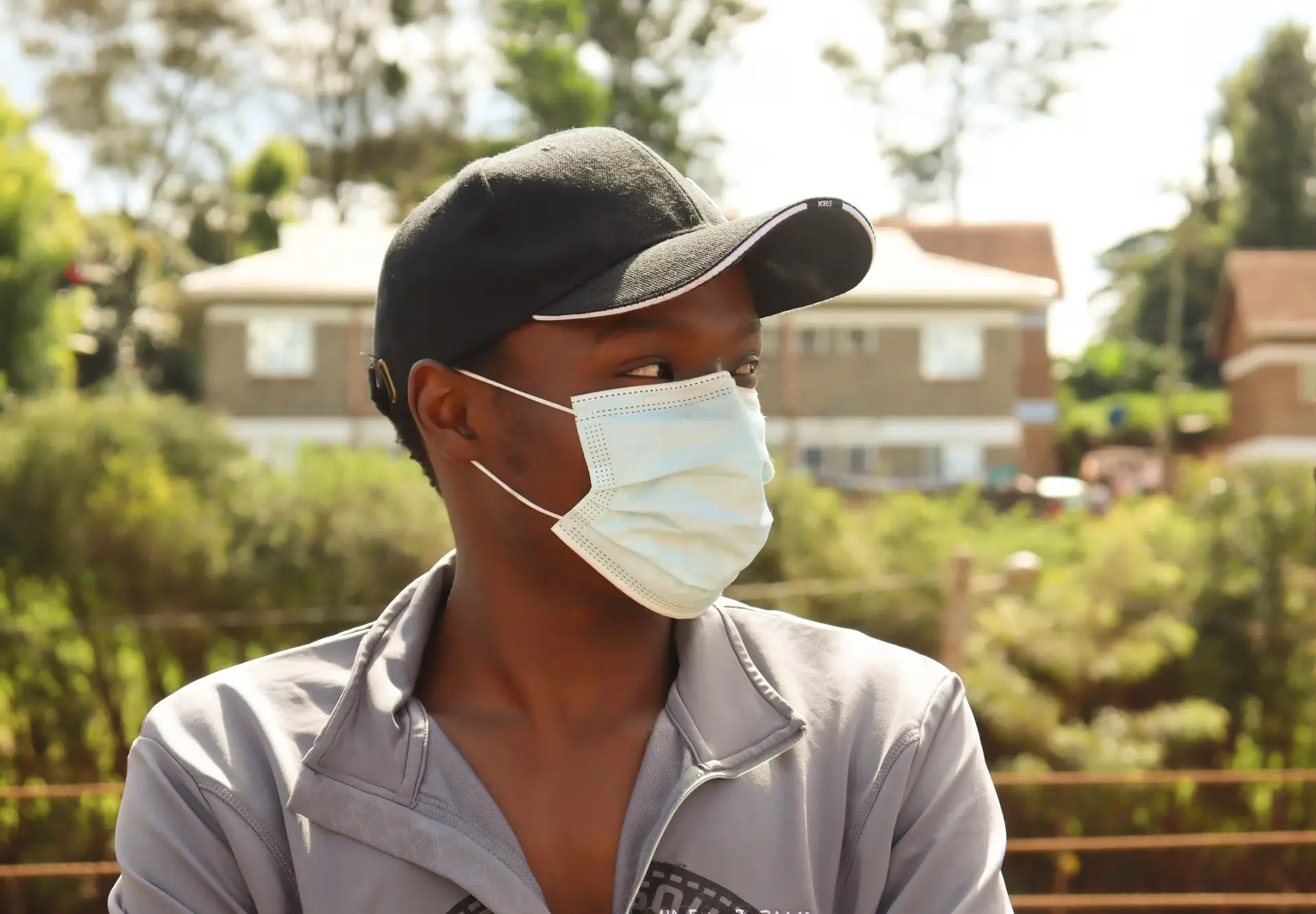
A single, contained cluster can either be a triumph of contact tracing or a quiet prelude to broader contagion. Public health authorities in Nairobi are betting heavily on the former. The confirmation of Kenya’s ninth Ebola case—a 24-year-old man isolated prior to showing symptoms—has served to test the nation’s epidemiological containment framework rather than trigger panic.
The latest patient is a close relative of Kenya’s initial case, an individual who traversed the Democratic Republic of Congo and Uganda before succumbing to the virus in a Nairobi hospital on October 5. Health officials report that the nine infected individuals belong entirely to this single transmission chain, with no evidence of spread beyond the group. Director-General for Health Patrick Amoth confirmed that eight patients remain stable, while 134 out of 135 traced contacts are approaching the end of their mandatory 21-day isolation period without symptoms.
Nairobi's response offers an instructive study in risk management. Rather than bowing to the standard impulse of administrative overreach—closing borders, shuttering markets, or halting commerce—the government has explicitly kept the country open for trade and travel. Public health surveillance, when executed with precision, avoids the heavy-handed interventionism that often inflicts more economic damage than the disease itself.
Yet the calm in Kenya stands in stark contrast to the human tragedy unfolding across its western borders. In the Democratic Republic of Congo, the current outbreak has claimed over 4,000 lives from more than 9,000 reported infections since May. The European Centre for Disease Prevention and Control has classified this as the second-largest epidemic of its kind on record. Far removed from the ground realities, European institutional observers issue predictable statistical declarations, yet such monitoring highlights a harsher reality: the ongoing crisis involves the Bundibugyo strain, for which no licensed vaccine or specific therapeutic treatment exists.
Without pharmaceutical silver bullets, containment falls entirely back on basic logistical rigor: tracking individuals, enforcing strict isolation, and relying on natural immune resilience. Kenya’s health ministry expects the majority of quarantined contacts to return home shortly, provided they remain symptom-free. Whether this targeted vigilance will suffice against a strain that has ravaged the region remains an open question, but for now, disciplined monitoring is holding the line where state mandates usually fail.
Written by Thorben Thiede thorben.thiede@alpineweekly.com