Oct 20, 8:01 PM
NATO's Black Sea Bureaucracy Meets Maritime Reality
Adding surveillance assets will do little for commercial shipping as missile and drone strikes close in on alliance borders.
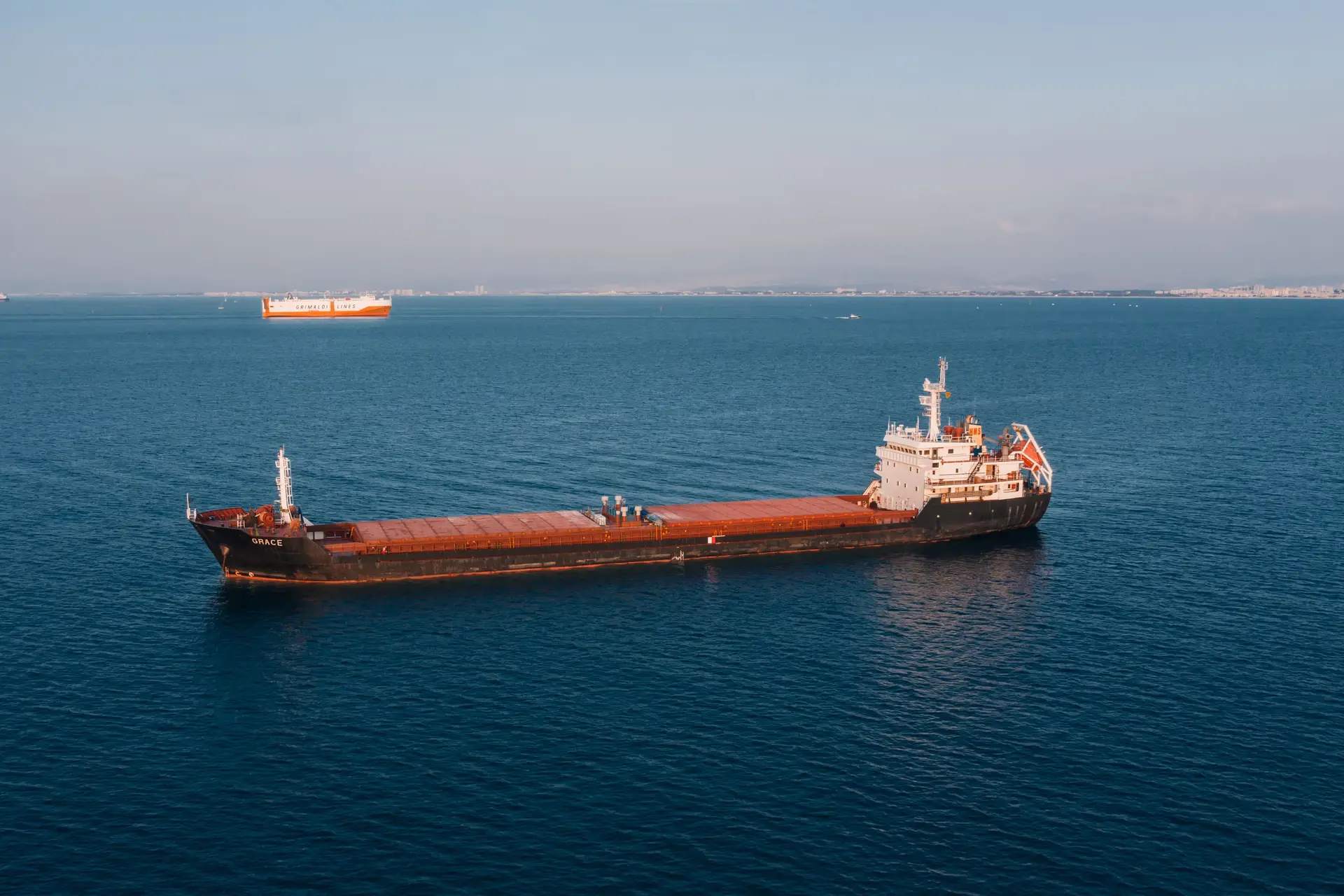
When merchant ships start sinking and insurance premiums surge, even bureaucratic headquarters in Brussels feel forced to act. Following a series of strikes on commercial cargo vessels in the Black Sea, NATO has announced a fresh deployment of surveillance aircraft, radar systems, drones, and intelligence personnel to its eastern flank. Whether additional reconnaissance will deter military strikes on agricultural shipping routes remains an open question, but the alliance is keen to demonstrate activity.
The immediate trigger for this response is a rapid escalation of attacks along vital grain corridors. The Russian military stated that it struck three cargo vessels in Ukraine's port of Reni and two others bound for Odesa. Over the past two weeks, at least five other cargo ships were targeted near the Romanian and Bulgarian coasts, leaving twenty-three seafarers dead or missing. According to maritime risk analysts at Ambrey, Russian forces are estimated to be responsible for eighty percent of these incidents, increasingly utilizing aerial and explosive surface drones in secondary strikes.
For commercial operators, the Black Sea has effectively turned into a high-risk zone. The London shipping insurance market now classifies almost the entire sea as high-risk, excluding only the territorial waters of Romania, Bulgaria, and Turkey. As commercial vessels navigate these narrow corridors, the financial toll on grain and oil transport continues to mount.
The spillover has hit NATO's regional members directly. Romania recorded thirty-five unauthorized drone incursions this year—up from nine in 2025—and shot down six of them, including two intercepted over the weekend by deployed fighter jets. Romanian Defence Minister Radu Miruță stated that the ones from last night were flying at 450 km/h, which leads us to think they were Russian-made Geran-4 drones with a turboprop engine.
Bulgaria, notoriously unstable and struggling with its own defense posture, has asked the alliance for combat aircraft and anti-drone systems. France, burdened by its own economic troubles, offered a single maritime reconnaissance aircraft to Romania on October 18. Meanwhile, NATO spokesperson Allison Hart confirmed that Nato will be sending additional assets to the region, including support for surveillance, reconnaissance, and forensics.
Whether this piecemeal assembly of surveillance gear and forensic teams can safeguard commercial transit remains questionable. Brussels can dispatch drones and hold council meetings, but maritime trade is left paying the immediate price.
Written by Sandy van Dongen sandy.vandongen@alpineweekly.com