Oct 20, 8:01 PM
Extortion at the Bottleneck: Iran’s Reckless Game in the Strait of Hormuz
Tehran uses naval mines and digital threats to dictate terms in global shipping lanes, but its high-stakes brinkmanship offers diminishing returns.
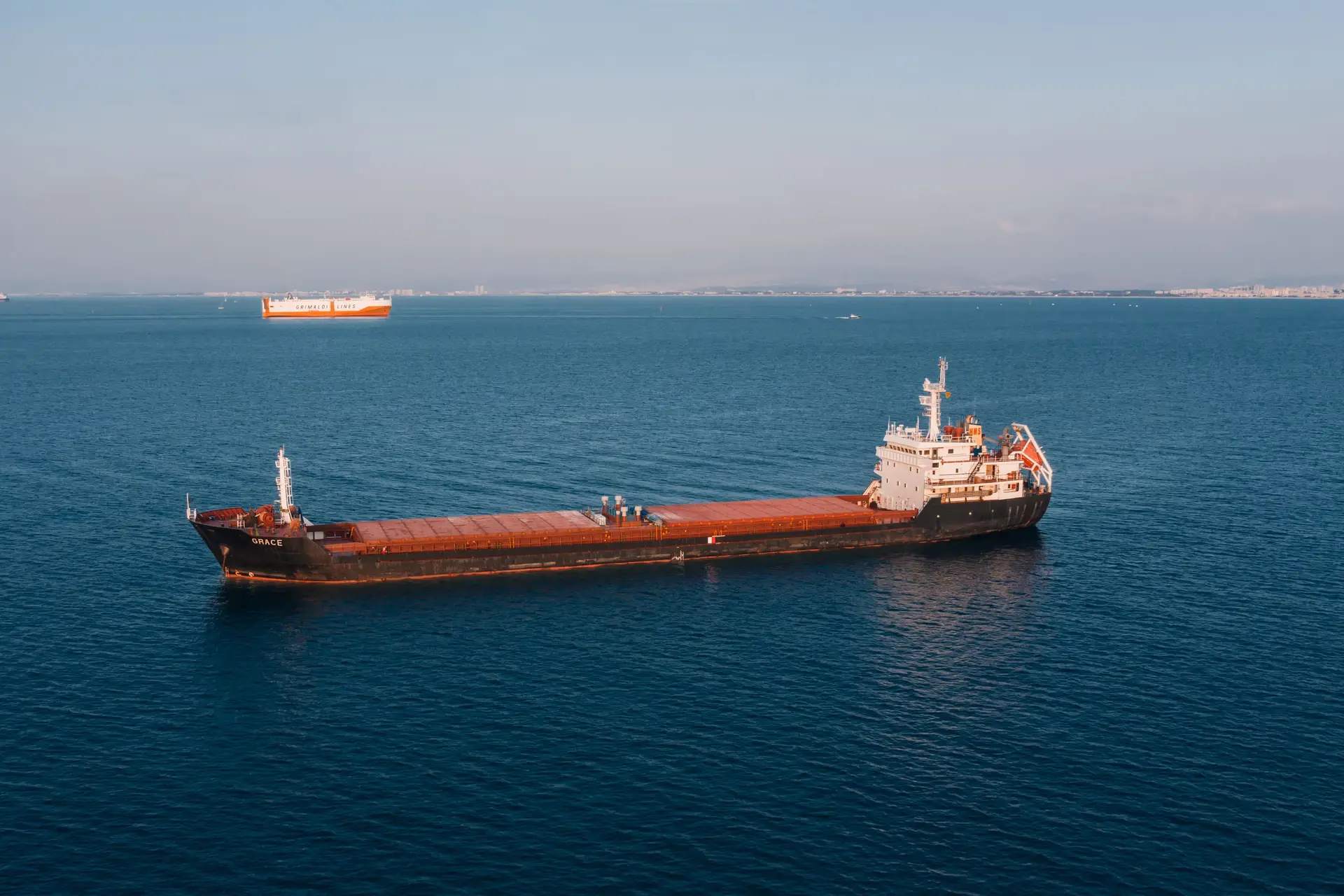
Tehran has once again decided to test the limits of freedom of navigation in the Strait of Hormuz, transforming one of the world's most critical commercial arteries into a minefield. According to claims by the Islamic Revolutionary Guard Corps, two oil tankers were set ablaze after striking mines placed in what Iran unilaterally considers an unauthorized corridor near the Omani coast. International maritime law, of course, recognizes no such Iranian authority to grant or withhold passage through these waters. But where legal frameworks under the UN Convention on the Law of the Sea dictate transit rights, Tehran prefers the crude diplomacy of naval explosives.
Details surrounding the alleged strikes remain characteristically murky. The UK Maritime Trade Operations acknowledged an incident involving a tanker and military forces off the coast of Duqm, albeit reporting no casualties or severe damage. Meanwhile, the Revolutionary Guard's narrative machine has operated at full capacity, pairing maritime sabotage with claims of shooting down an American MQ-9 drone—an assertion promptly rejected by officials in Washington—and pointing to alleged US strikes on an Iranian naval air defense facility at Konarak.
The escalation strategy extends beyond physical shipping lanes. Guard spokesperson Hossein Mojabi recently floated threats against undersea internet cables traversing the Gulf, promising the unveiling of novel weaponry aimed at expelling American forces from the region. At the same time, foreign ministry spokesman Esmail Baghaei made the regime’s posture clear regarding potential American strikes, stating that in practice we have shown that we absolutely do not leave any blow unanswered.
There is an almost absurd contrast between Tehran's aggressive posturing and its quiet frustration with diplomatic channels. Iranian security sources have openly complained about administrative opacity in Washington, claiming uncertainty over whether decision-making power rests with Vice President JD Vance, Secretary of State Marco Rubio, or special envoys like Steve Witkoff and Jared Kushner. Extortion, it seems, becomes far more tedious when the antagonist is unsure who is listening on the other end of the wire.
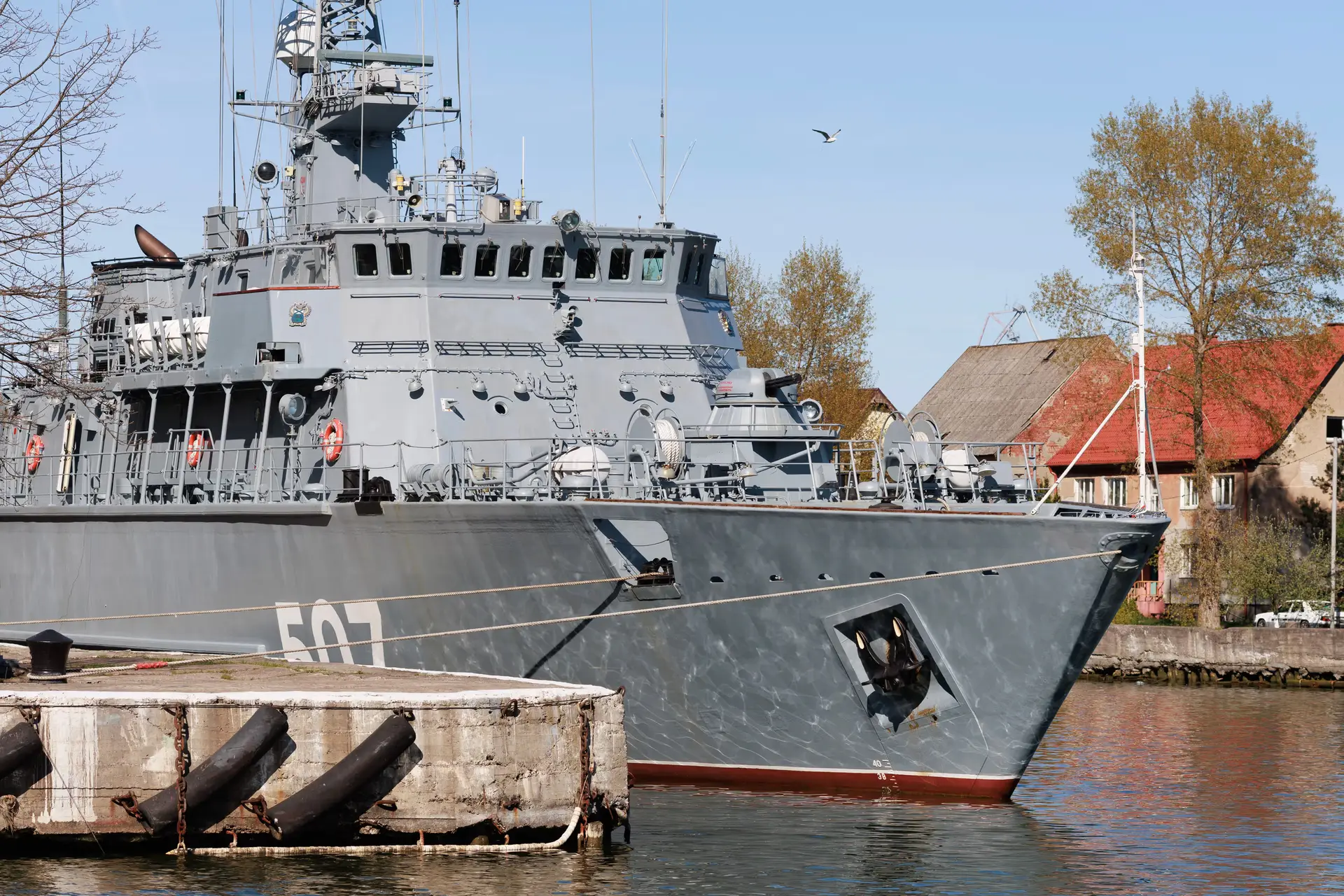
While politicians trade threats and state media touts dubious air defense victories, the commercial toll continues to mount. International Maritime Organization Secretary-General Arsenio Dominguez estimates that roughly 6,000 seafarers remain stranded in the strait since hostilities ignited following US-Israeli strikes in late February. Shipowners continue to dispatch crews into a zone where nearly a fifth of global oil supplies once passed freely, now squeezed by competing blockades and Iranian mine warfare. With reports of 10,000 additional US sailors and Marines deploying aboard the USS Theodore Roosevelt carrier strike group, Tehran's gamble in Hormuz appears less like strategic leverage and more like a high-stakes provocation with diminishing returns.
Written by Martina Kirchner martina.kirchner@alpineweekly.com