Aug 27, 10:01 AM
Algorithms in the Operating Theater
A groundbreaking brain surgery in London shows how real-time artificial intelligence can save sight where state caution usually hesitates
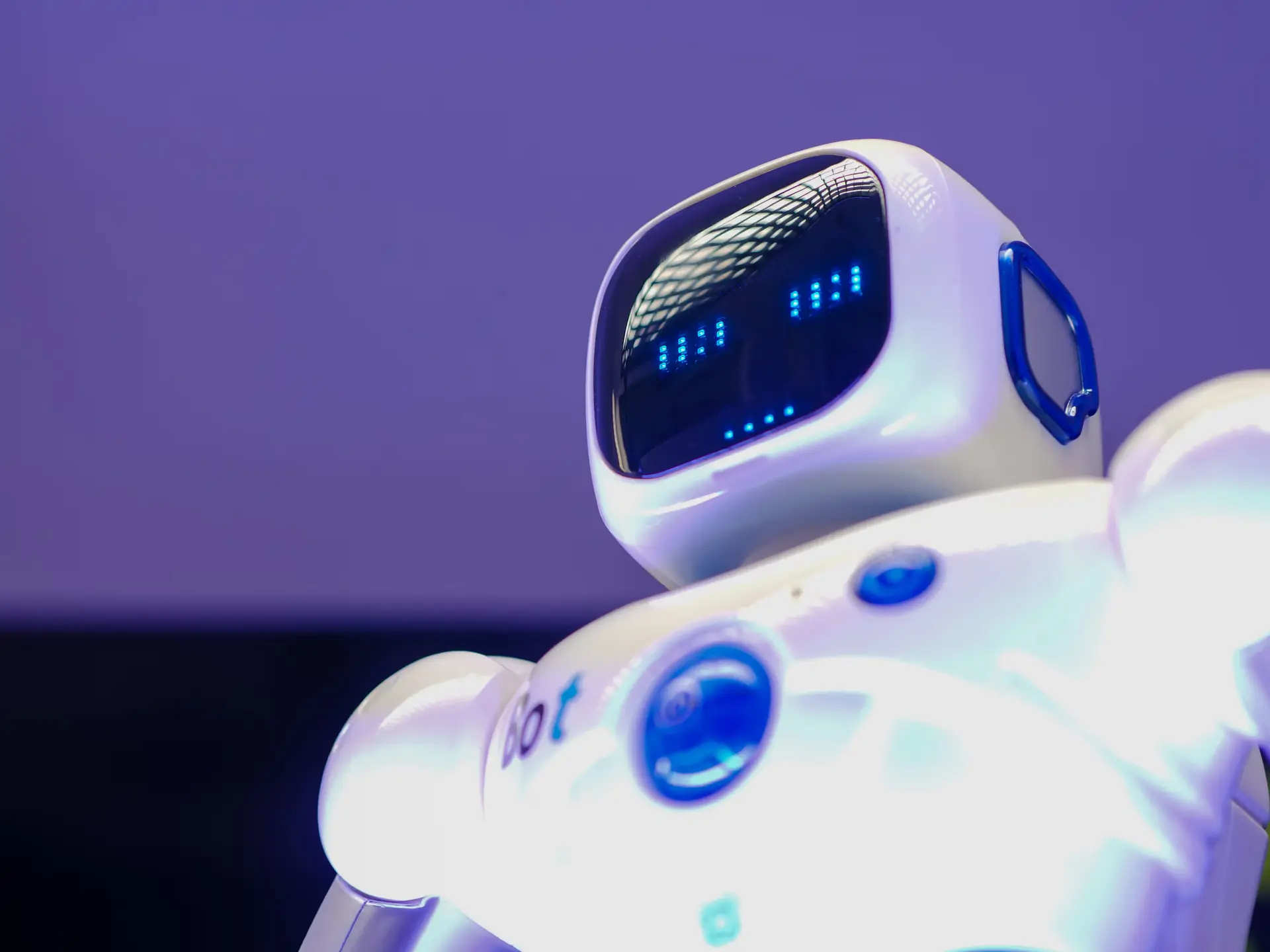
While politicians endlessly debate the hypothetical risks of artificial intelligence, a surgical team in London quietly demonstrated what happens when algorithms are put to work. At the National Hospital for Neurology and Neurosurgery, part of University College London Hospitals, a 48-year-old man from Bedfordshire became the subject of the world’s first live AI-assisted brain surgery. The goal was simple yet terrifyingly delicate: excise a tumor sitting at the base of his brain without causing permanent blindness.
In neurosurgery, precision is not a philosophical concept; it is a matter of fractions of a millimeter. The pituitary gland, no larger than a marble, rests tightly against major blood vessels and the nerve networks governing human sight. A single slip of a scalpel carries the immediate threat of stroke, blindness, or fatal hemorrhage. Traditionally, surgical teams have relied on static scans taken prior to entering the theater. In this trial, an algorithm developed in-house at University College London and funded by the National Institute for Health and Care Research monitored the live surgical video feed in real time.
The software did not replace human expertise; it sharpened it. By highlighting critical anatomy as the procedure unfolded, tracking the interaction between surgical instruments and sensitive tissue, the system guided doctors around high-risk zones. This real-time guidance allowed the team to strip away the growth while safeguarding the patient's optical nerves.
The clinical trial originated after Rhys Hibbert collapsed during a walk in December 2024 following a sudden seizure. Faced with a progressing tumor that threatened total sight loss, Hibbert opted for surgery and volunteered to be the first human subject for the live-feed AI system. The gamble paid off. Upon waking from the operation, he reported an immediate and dramatic improvement in his vision, seeing his surroundings clearly.
Success of this magnitude inevitably attracts political commentary. UK Health Innovation Minister James Frith observed that this is an example of AI at its best: patients getting care previously deemed unimaginable thanks to the latest groundbreaking technology, while predictably adding that government safeguards will remain strictly enforced. It is a familiar dynamic: clinical pioneers and daring patients take the genuine risks, while the administrative state rushes to applaud the outcome and remind everyone of its regulatory oversight.
Written by Martina Kirchner martina.kirchner@alpineweekly.com