Oct 26, 7:01 PM
Sweet Taxes and Hard Realities: Germany’s Expanding Welfare Mandates
From sugar-funded migrant dental care to calls for military deployment, Berlin’s policy landscape grows increasingly volatile.
When fiscal creativity reaches its logical limits, modern governance simply invents a targeted lifestyle levy to fund expanded social obligations. In Germany’s current political ecosystem, the latest idea involves levying a sugar tax specifically earmarked to cover dental treatments for migrants. The policy proposal serves as a striking symbol of how state interventions and expanding public spending intersect, raising fundamental questions about tax neutrality, government priorities, and the endless search for new revenue streams.
This fiscal maneuvering unfolds against a backdrop of precarious political stability in Berlin. CDU leader Friedrich Merz finds himself navigating an increasingly treacherous terrain, with dangerous flashpoints looming over pension reform, national budget negotiations, and upcoming political tests in Saxony-Anhalt. As the conservative establishment struggles to maintain fiscal discipline, broader ideological manifestos from the Red-Red-Green camp signal a persistent push toward increased state control and economic redistribution.
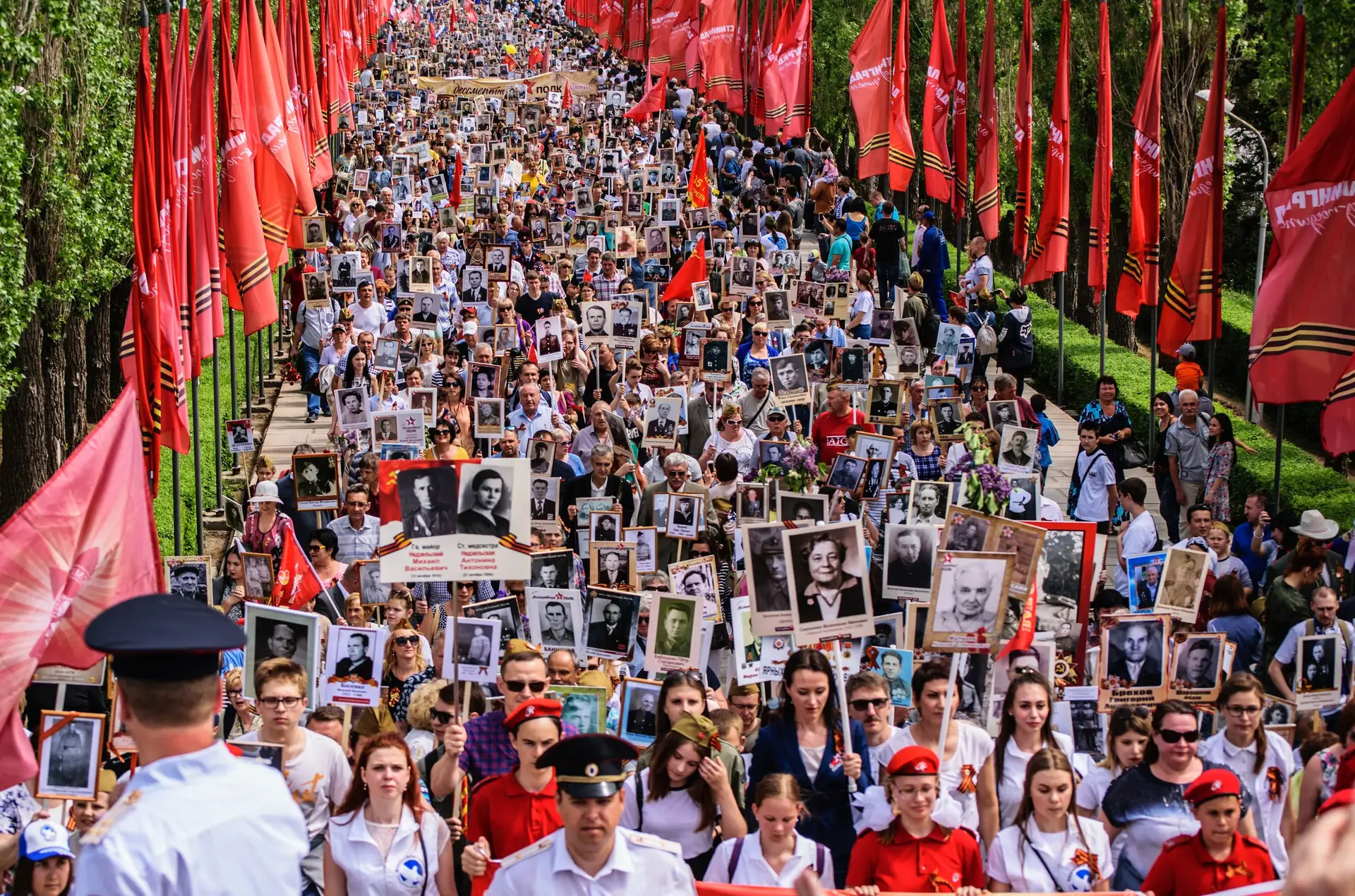
The strain on public institutions is no longer confined to fiscal ledgers. Internal security concerns have escalated to the point where standard policing capability is openly questioned. Ahead of anticipated Halloween unrest, the Junge Union has gone so far as to suggest deploying the Bundeswehr against rioting demonstrators. That a major political party's youth wing considers domestic military enforcement a necessary response to public disorder highlights the deepening anxieties surrounding public safety and law enforcement in urban areas.
Concurrently, the public sphere is witnessing a noticeable shift in media focus. Prominent figures, such as former Tagesschau news anchor Constantin Schreiber, have increasingly redirected their commentary toward topics surrounding Islam and integration. The shift reflects a broader public debate over cultural transformation and social cohesion in a country dealing with the long-term consequences of its demographic choices.
These converging issues—spanning tax policy, pension stability, domestic security, and media discourse—form the central agenda for a morning broadcast by the alternative platform NIUS Live. Host Alexander Kissler, alongside NIUS Editor-in-Chief Julian Reichelt and Deputy Editor-in-Chief Pauline Voss, are set to analyze these developments in their morning show scheduled for October 27, 2026. Whether taxing consumer goods to pay for specialized healthcare or contemplating soldiers on domestic streets, the political landscape presents a stark portrait of a state attempting to manage the consequences of its own policy decisions.
Written by Thorben Thiede thorben.thiede@alpineweekly.com