Oct 26, 7:01 PM
Paper Trials and Freezing Infrastructure: The UN’s War Crimes Diagnosis
A new report documents the systematic targeting of civilian energy networks as winter approaches once more.
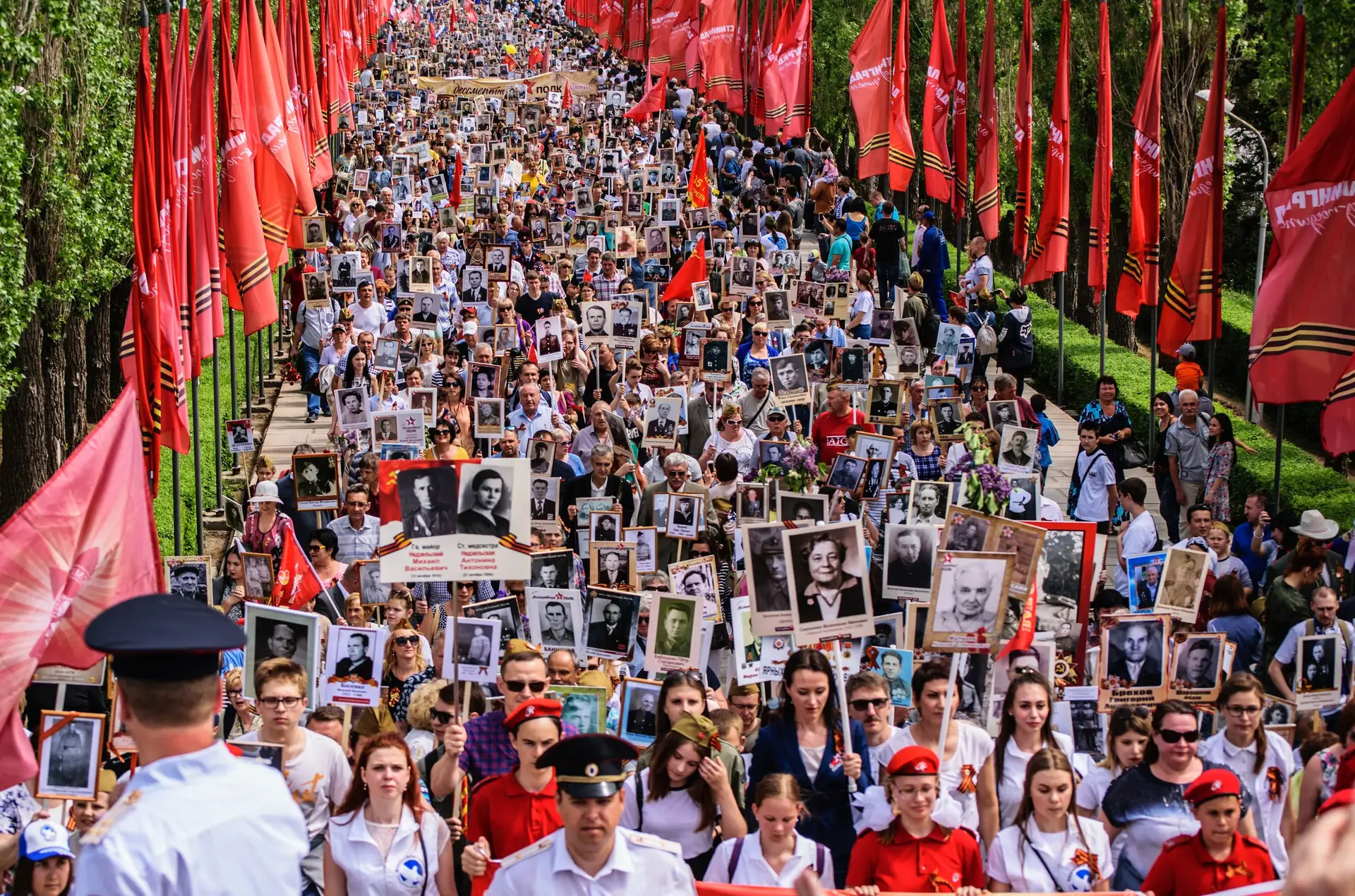
As winter returns to Eastern Europe, so does the institutional calendar of international law. A newly submitted report from the Independent International Commission of Inquiry on Ukraine to the United Nations General Assembly has formally classified the repeated targeting of energy infrastructure as war crimes. The legal logic presented by the commission is straightforward: targeting heating plants, power lines, and gas facilities during freezing temperatures amounts to deliberately using severe cold as a pressure point against non-combatants.
The documentation details a multi-year strategy of systematic strikes that has steadily expanded in frequency and geographic reach since late 2022. During the winter of 2025 to 2026, when temperatures dropped to minus 21 degrees Celsius, millions of civilians faced lengthy interruptions to electricity, running water, and heating. According to the panel, led by Erik Mose, commanders ordering these operations acted with full awareness that the targeted facilities were essential for civilian survival. The report notes that official statements from Moscow regarding planned future strikes further supported the conclusion that civilian assets were intentionally targeted.
Beyond the energy grid, the commission expanded its legal scrutiny to include the recruitment of foreign national fighters into the Russian military. The report accused authorities in Moscow of human trafficking in violation of international law, citing cases where foreign citizens—including men from India—were allegedly deceived into front-line service, resulting in high rates of casualties, disappearances, and captures.
While diplomats in New York review the legal terminology, the conflict shows no operational pause. Local authorities reported recent tactical exchanges on the ground. Mykhailo Semikin, governor of the Zaporizhzhia region, stated on Telegram that a Russian strike injured four people overnight. Concurrently, the Russian Ministry of Defence claimed that Ukrainian forces launched repeated strikes against the Russian-controlled town of Oleshky, just as a localized ceasefire was scheduled to take effect.
Whether formal legal designations by international panels exert any structural deterrent remains an open question. As temperatures drop once again across the region, both military operations and infrastructure strikes continue unabated, demonstrating the vast distance between legal findings in committee rooms and strategic realities on the ground.
Written by Thorben Thiede thorben.thiede@alpineweekly.com