
Oct 22, 6:01 PM
A Swarm Returns: The Moths Australia Thought It Had Lost
After years of drought-induced collapse, eastern Australia's infamous Bogong moth is staging a massive rebound.
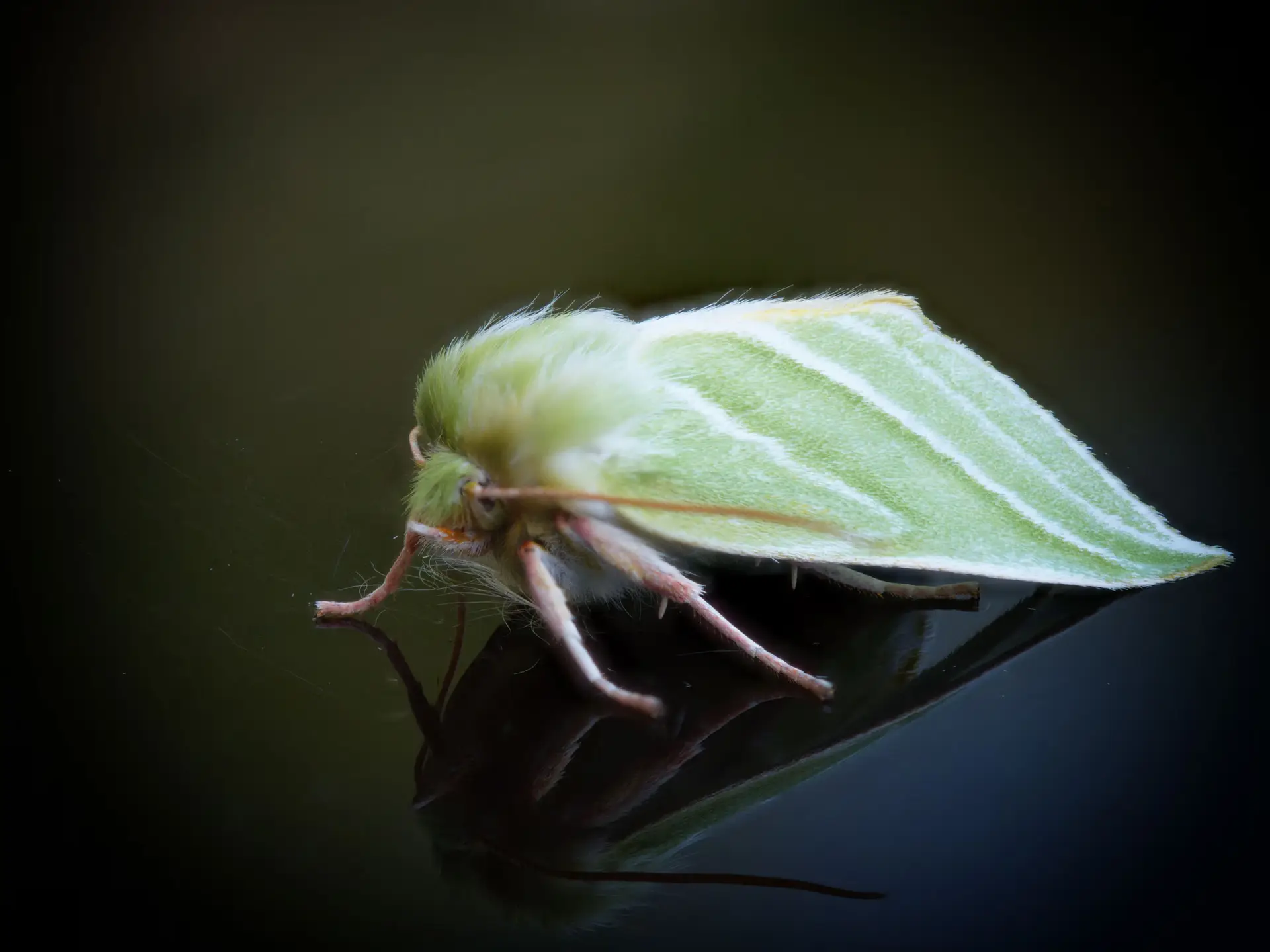
Canberra’s parliamentarians may need to brace themselves for familiar visitors. The Bogong moth, famous for disrupting political proceedings in the national capital and interrupting the 2000 Sydney Olympics closing ceremony, has returned to the skies of eastern Australia in overwhelming numbers. What was once dismissed as a minor urban nuisance has suddenly become a welcome spectacle for an ecosystem pushed to the brink.
Official ecologist-led surveys have yet to publish their formal counts, but the evidence gathered by ordinary citizens tells an unmistakable story. Observations uploaded to the iNaturalist platform under the Bogong Watch project show a dramatic surge in sightings across the eastern states. Critics of crowd-sourced data will naturally highlight the variables of fluctuating public participation and effort, yet the sheer volume of reports leaves little doubt about the scale of this spring’s emergence.
The return of these insects marks a stark reversal from years of environmental decay. The population once numbered up to four billion individual moths, migrating each summer to the cool caves of the Australian Alps for aestivation. However, a steady decline beginning in 1980 turned catastrophic in the summer of 2017, when numbers plunged so severely that the species became virtually undetectable in alpine regions.
According to ecologist Ken Green, who has monitored the species for over forty years, the primary driver of this sudden collapse was the crippling drought that ravaged the region between 2017 and 2019. This environmental stress compounded long-term pressures, as synthetic pesticides and urban light pollution had already been quietly eroding moth numbers since the eighties.
The unexpected recovery highlights nature's ability to bounce back when weather conditions shift. The current population boom provides an immediate benefit to regional flora through pollination and offers a crucial lifeline to specialized alpine predators, most notably the endangered mountain pygmy possum.
Written by Christiane Hofreiter christiane.hofreiter@alpineweekly.com