Oct 22, 6:01 PM
The Georgia Formula
Faced with Donald Trump's lingering shadow, Democrats fall back on turnout arithmetic in the American South.
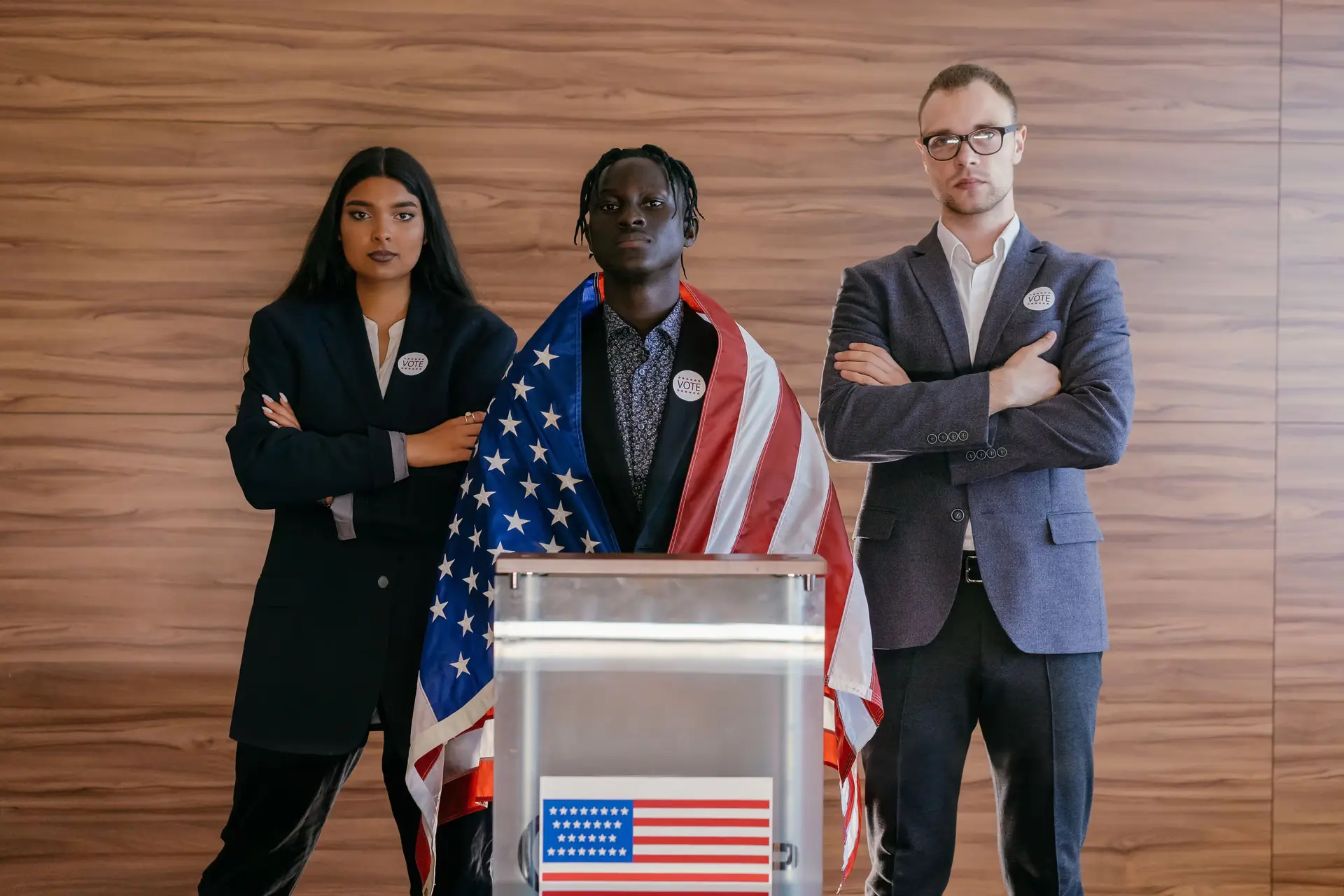
Whenever political friction intensifies in key American battleground states, campaign strategists inevitably return to their most well-worn blueprints. In Georgia, the immediate focus for the Democratic Party has once again crystallized around a clear imperative: activating the Black electorate to construct a firm counterweight against Donald Trump and his political maneuverings.
The underlying tactical logic is straightforward. Democratic operatives in Georgia are concentrating resources on maximizing Black voter participation to neutralize Donald Trump's political influence and counter what party organizers characterize as meddling in state political affairs. In competitive southern contests, minor shifts in voter turnout among key demographic groups frequently decide the final outcome of entire state elections.
Yet, this heavy reliance on defensive mobilization reflects persistent habits within modern political machinery. Rather than broadening the debate with competing policy vision or economic arguments, political organizations frequently fall back on reactive voter drives. Mobilizing Black voters around election access and voting rights remains an indispensable operational tool for Democrats, but framing voter engagement primarily as a defensive shield against Trump reveals a campaign model focused heavily on containment.
The strategic push in Georgia demonstrates how deeply election mechanics and turnout operations dominate modern American political campaigns. When party strategy concentrates so intensely on voter turnout arithmetic to blunt an opponent, substantive policy debate inevitably takes a secondary role. Whether this targeted mobilization will deliver the intended electoral firewall depends on how effectively organizers translate political friction into votes on election day.
Written by Thorben Thiede thorben.thiede@alpineweekly.com