
Oct 30, 1:01 PM
A Global Deluge: Severe Storms Strain Infrastructure from Antalya to the Pacific
Fatalities in Turkey and mass evacuations in India highlight the brutal efficiency of simultaneous extreme weather systems.
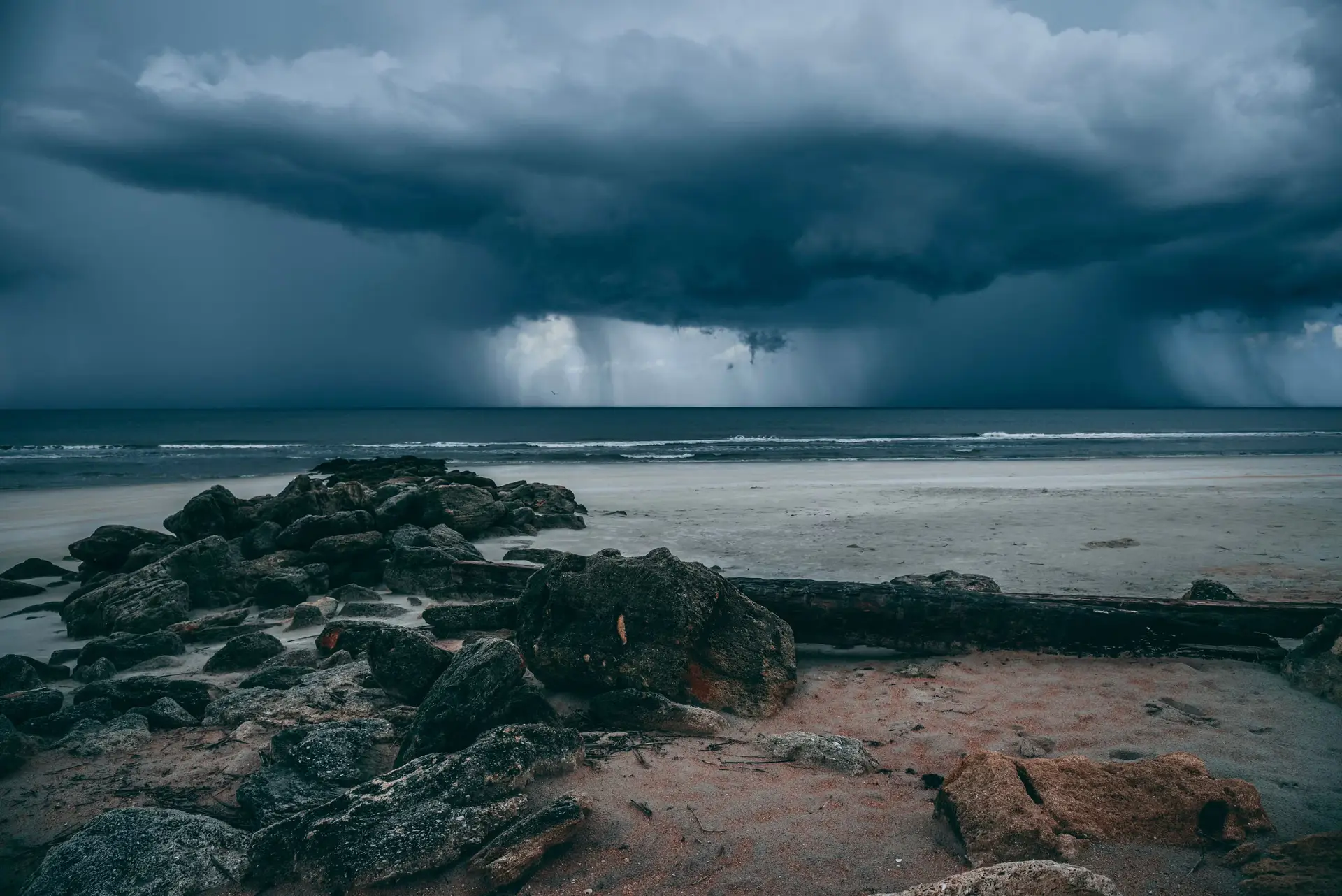
When extreme weather strikes, it rarely bothers to stagger its arrivals. Over the course of a few days, a cascade of severe atmospheric events across multiple continents has served as a stark stress-test for regional planning and public infrastructure. From the Mediterranean to the far reaches of the Pacific, low-pressure systems and tropical storms are testing the resilience of energy grids, transport networks, and emergency services.
The human cost has hit hardest in south-western Turkey. In the coastal city of Antalya, an exceptionally violent thunderstorm birthed a tornado on Tuesday that claimed the lives of four construction workers. The storm is part of a broader low-pressure system settling over south-eastern Europe, which continues to trigger heavy downpours. Authorities in both Greece and Turkey have issued urgent flood warnings as central Greece and western Turkey prepare for an additional 100 to 150 millimeters of rain, with localized totals likely to exceed those figures.
Further east, Indian authorities face a logistical trial of massive proportions. Cyclone Arnab made landfall across the states of Odisha and Andhra Pradesh, packing wind gusts exceeding 140 kilometers per hour and pouring more than 200 millimeters of rain onto already saturated terrain. The sheer force of the storm prompted the mass evacuation of over 180,000 residents while cutting power supplies and shutting down major transport lines. Although Arnab is set to lose momentum as it travels north, its remnants will still drench central and northern regions over the coming days.
Across the Pacific, atmospheric pressure drops reach an even higher tier of intensity. Super Typhoon In-fa achieved remarkable strength on Wednesday, recording sustained winds of 240 kilometers per hour and gusts topping 296 kilometers per hour. Moving north-west, the storm is expected to spare Guam—which was hit by Typhoon Champi earlier this month—but is heading directly for the Mariana Islands. For that territory, In-fa represents the fifth super typhoon to sweep through this year alone.
Meanwhile, on the Mexican coast, Tropical Storm Vance has downgraded to a tropical depression after battering western territories. Even in its weakened form, Vance dumped up to 150 millimeters of rainfall across Sinaloa, Durango, and Nayarit. The resulting deluge threatens landslides and flooding while generating hazardous coastal surf. Across every theater, nature is demonstrating how rapidly local economies can be brought to a standstill when nature decides to deliver everything at once.
Written by Thorben Thiede thorben.thiede@alpineweekly.com