
Oct 30, 1:01 PM
The Paper Dragon in the Jungle: Why Brussels' Anti-Deforestation Machinery Is Set to Stall
Imposing global trade restrictions from Belgian office towers sounds noble, until European bureaucrats try policing the Indonesian interior.
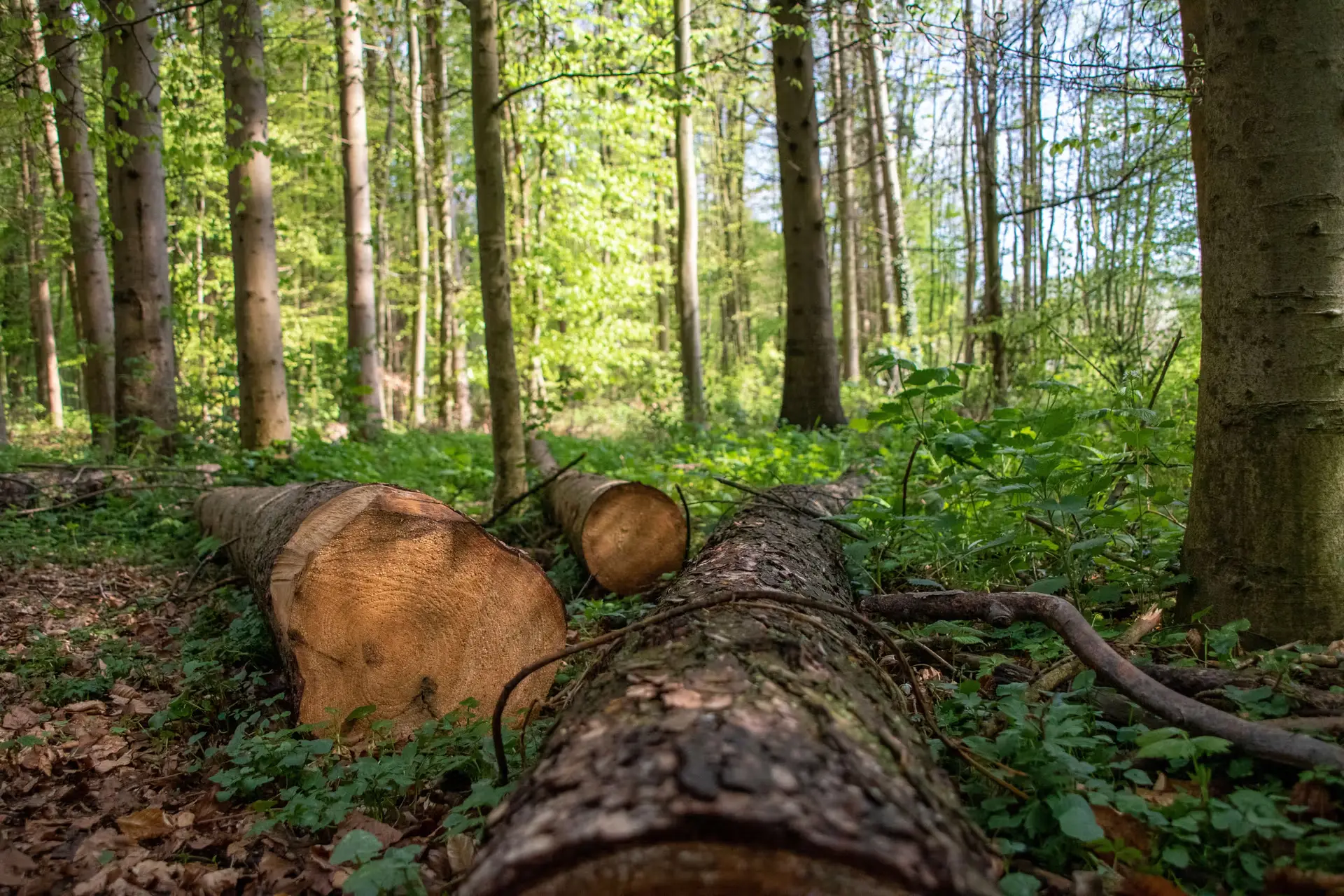
Brussels has long operated under the delusion that world trade can be neatly governed by administrative decree from Belgium. The European Union Anti-Deforestation Regulation is perhaps the ultimate monument to this bureaucratic hubris. Designed to purge European market shelves of environmental sin, the law bans imports of palm oil, soy, beef, coffee, cocoa, wood, and rubber linked to land deforested after December 2020. Yet as the twice-delayed implementation date of 30 December 2026 nears, the friction between European regulatory theory and Asian jungle reality is laying bare the machinery's limits.
Recent investigations by Indonesian non-governmental organisations, including Sawit Watch, TuK Indonesia, and WALHI Kalteng, demonstrate just how easily paper rules crumble in practice. In the Central Kalimantan province, researchers uncovered evidence of forest clearing in 2024 at PT Karya Makmur Abadi, a palm oil plantation owned by the KLK Group. Despite the EU’s strict 2020 cut-off date, global consumer giants including PepsiCo, Unilever, Ferrero, Mondelez, and Procter & Gamble have remained active buyers from supply chains fed by these producers.
Although the findings do not establish direct legal liability for every corporate buyer, they expose the sheer fantasy of Brussels' supply-chain micromanagement. Producer nations in Latin America, Asia, and Africa have voiced fierce resistance to the compliance burdens imposed from afar. Offering a blunt geopolitical assessment, the US Ambassador to the EU, Andrew Puzder, described the initiative as over-regulation, selective protectionism and an unnecessary non-tariff trade barrier.
The structural flaws run deep. Achmad Surambo, executive director of Sawit Watch, observed that Europe's major palm oil consumers have utterly failed to police their own supply chains. Meanwhile, campaigners like Perrine Fournier of Fern insist that enforcement agencies in Europe must now intervene to curb illegalities in the palm oil trade.
Yet expecting EU agencies to monitor every shipment moving through complex global trading networks is a task designed for failure. Rather than curbing environmental destruction or forest fires in Indonesia, the regulation threatens to drown businesses in compliance costs while proving unenforceable where it matters most.
Written by Martina Kirchner martina.kirchner@alpineweekly.com