Oct 30, 1:01 PM
The High Cost of Unsanctioned Cinema in Beijing
The cancellation of China's longest-running queer film festival shows a regime terrified of any gathering it cannot control.

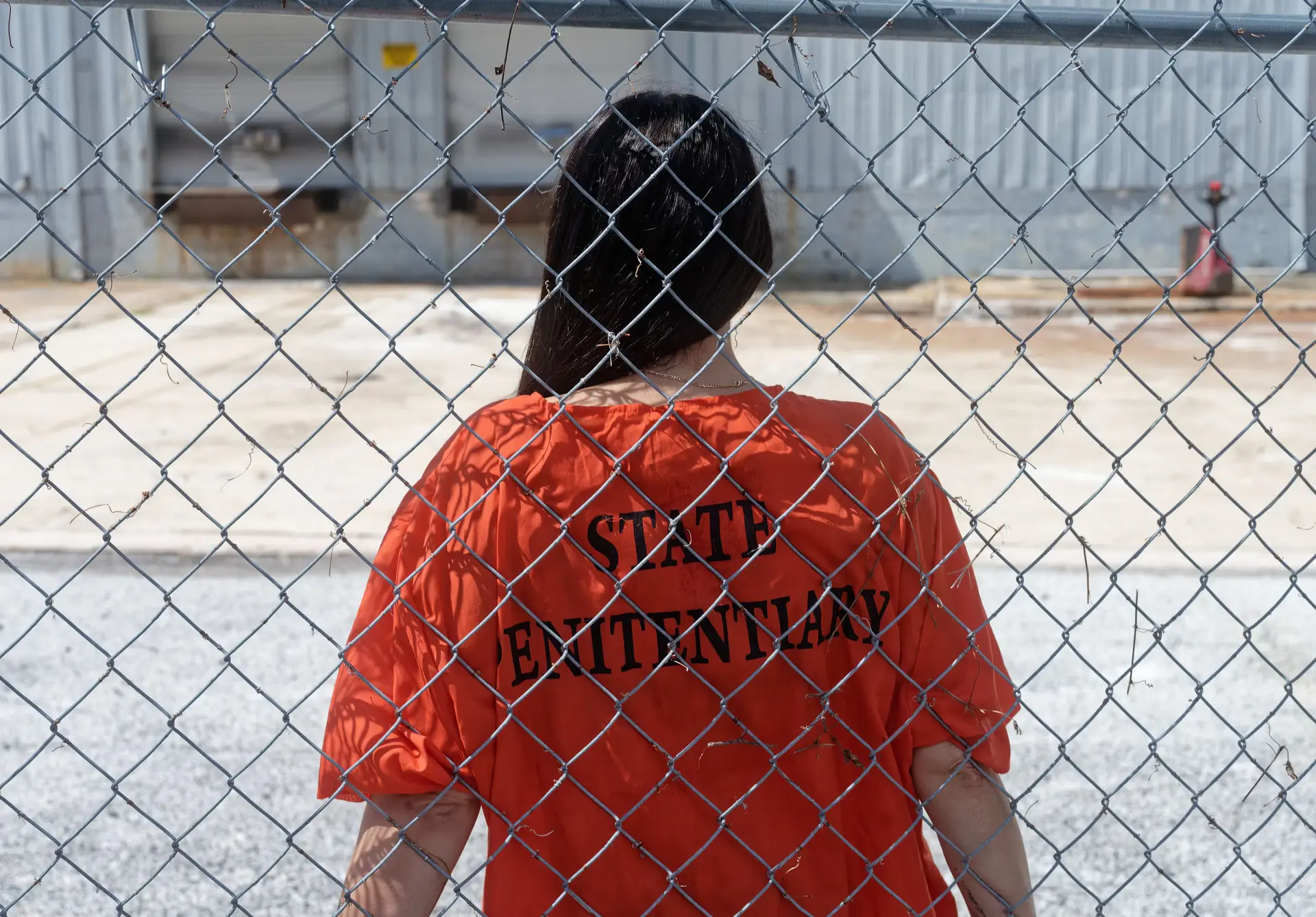
When an event manages to quadruple its volunteer applications in a single year, standard market logic suggests success. In Beijing, however, rising enthusiasm outside state channels is not a sign of cultural vitality; it is a political liability. The Love Queer Film Week, long known as the Beijing Queer Film Festival, became the latest victim of this ideological paranoia, forced to shut down just hours before its opening night following weeks of relentless police harassment.
For a gathering established in 2001 by a handful of Peking University students, surviving for more than two decades was a quiet triumph over bureaucratic hostility. As mainland China’s only public forum dedicated to exploring LGBTQ+ narratives on screen, the festival offered a rare space for independent artistic expression. Yet under the current regime, any story operating outside the Communist Party’s strict worldview invites immediate suspicion. Organisers announced the cancellation late on Thursday via Instagram, writing that they sincerely apologise for any inconvenience and disappointment caused to those who had planned to participate. International filmmakers who had already arrived in the capital were left staring at empty screens.
The method of suppression is as familiar as it is effective. The tactics applied to this year's festival follow a well-worn playbook of subtle coercion and systemic pressure. Back in 2014, the authorities shut down the Beijing Independent Film Festival through direct intervention, detaining its founders and cutting off electricity to the venue. More recently, in June, even foreign diplomatic protection proved insufficient when police intimidation forced the cancellation of LGBTQ+ film screenings at the Institut Français in Beijing. The reach of Chinese security agencies has extended beyond domestic borders, resulting in the cancellation of an independent Chinese film festival in New York last year.
Observing these developments, Maya Wang of Human Rights Watch noted that the festival found itself at the convergence of three distinct official targets: independent filmmakers, civil society, and LGBTQ+ communities. Professor Hongwei Bao of the University of St Andrews similarly observed that the shutdown delivers a chilling blow to a community that had long viewed the event as a beacon of cultural resilience.
A state apparatus that treats movie screenings and cinema discussions as threats to national security does not demonstrate strength. Instead, it reveals a fragile authority that can engineer economic output, but remains fundamentally terrified of spontaneous human connection.
Written by Christiane Hofreiter christiane.hofreiter@alpineweekly.com