Nov 1, 5:01 PM
Zurich’s Halloween Rioters and the Comfortable Ritual of Political Shock
When masked agitators set fire to Swiss streets, local politicians respond with the usual dance of condemnation, partisan deflection, and demands for more police.
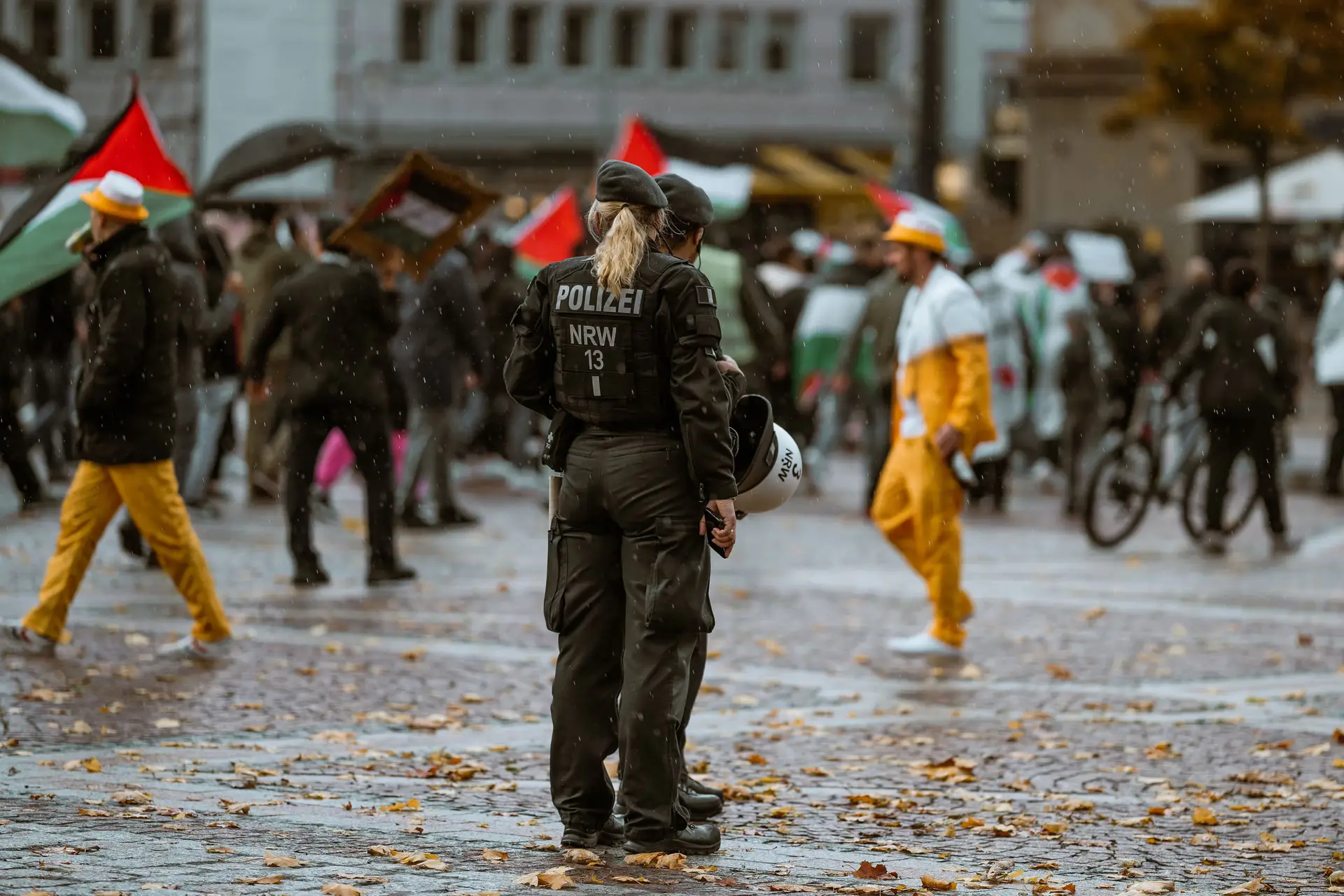
Zurich does not suffer from the bleak socioeconomic anxieties haunting Italian or French suburbs. Yet on a recent Saturday night, several hundred masked figures gathered for an unauthorized rally, transforming comfortable Swiss streets into a stage for burning barricades, torched vehicles, and violent clashes with law enforcement.
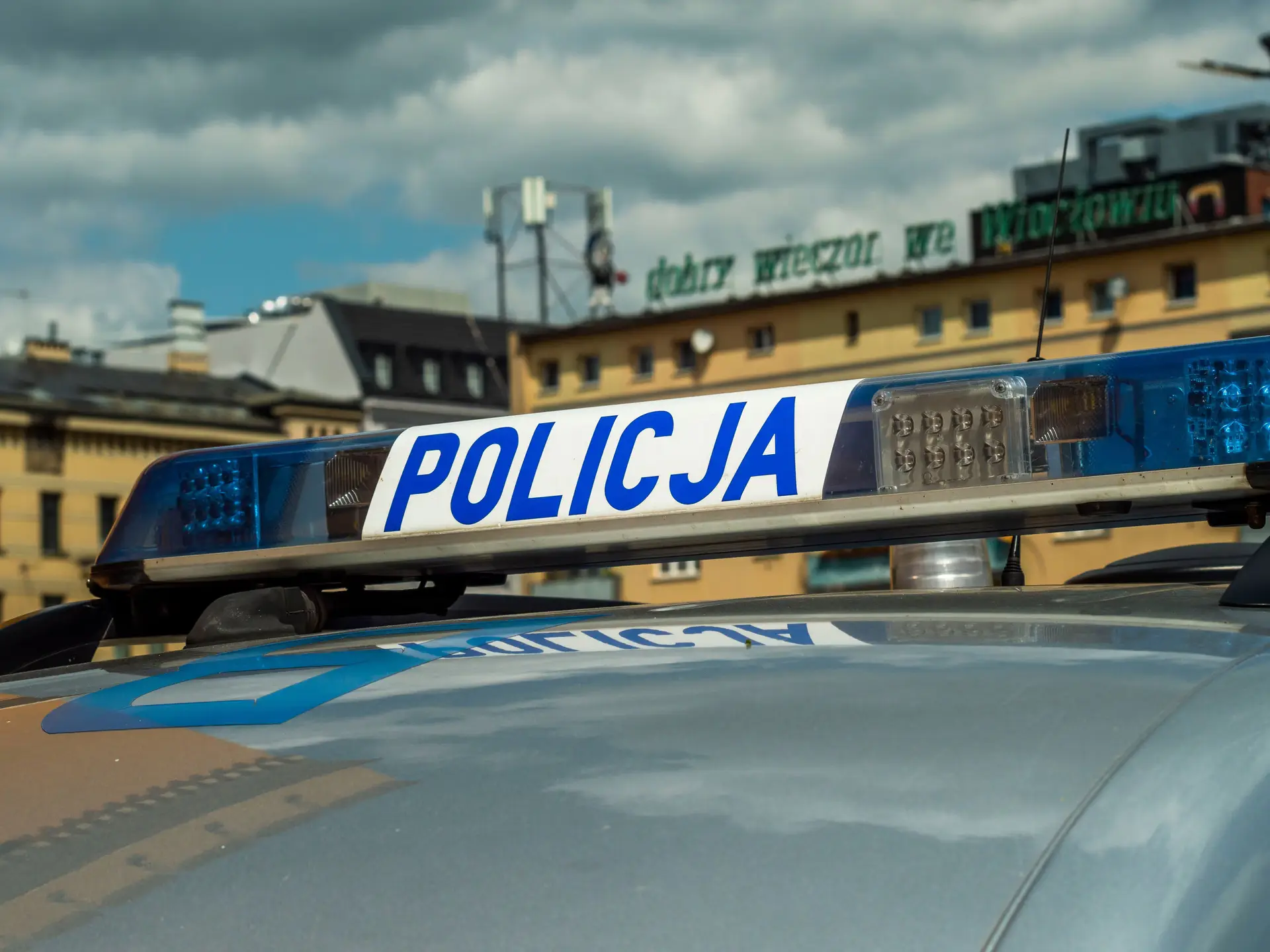
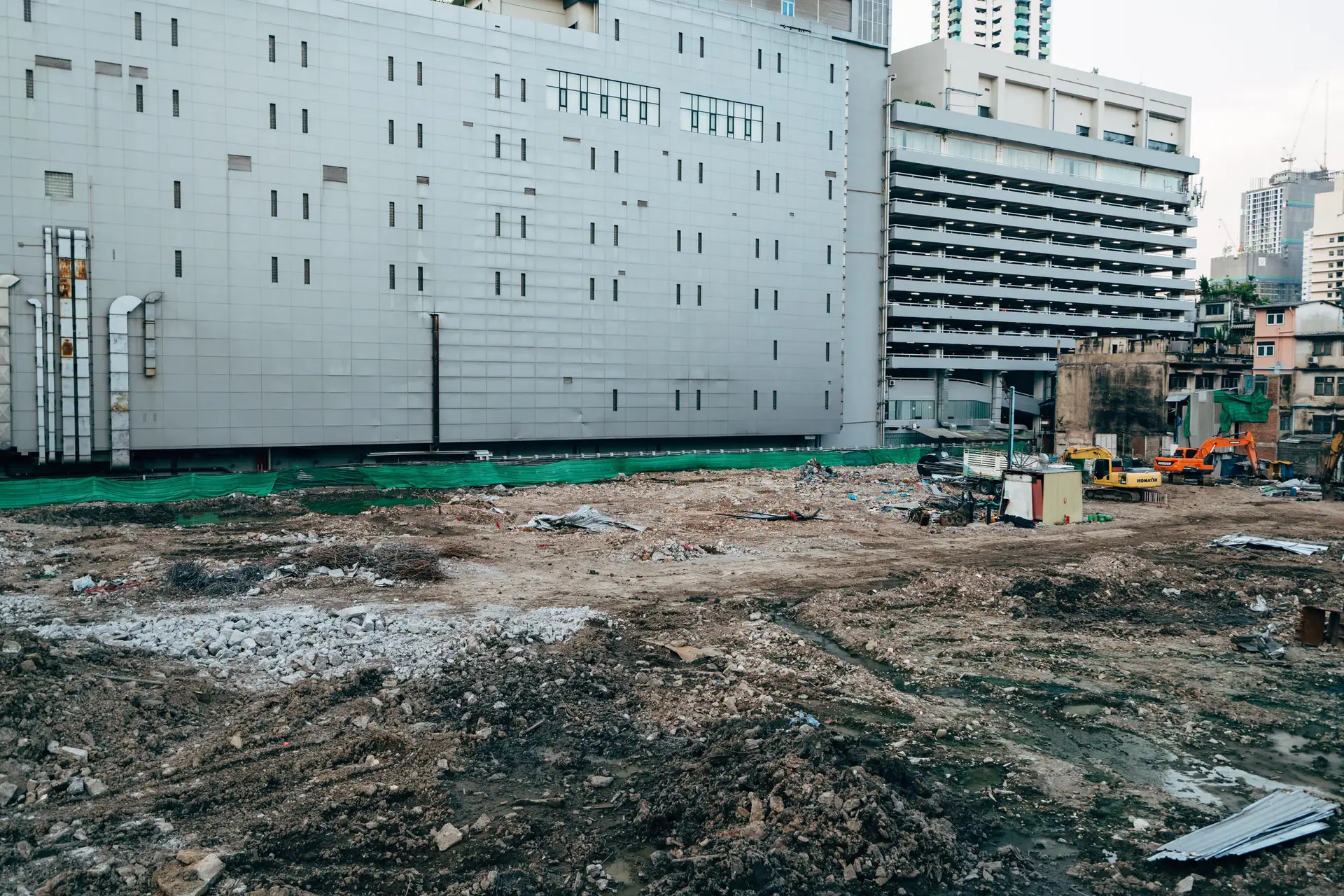
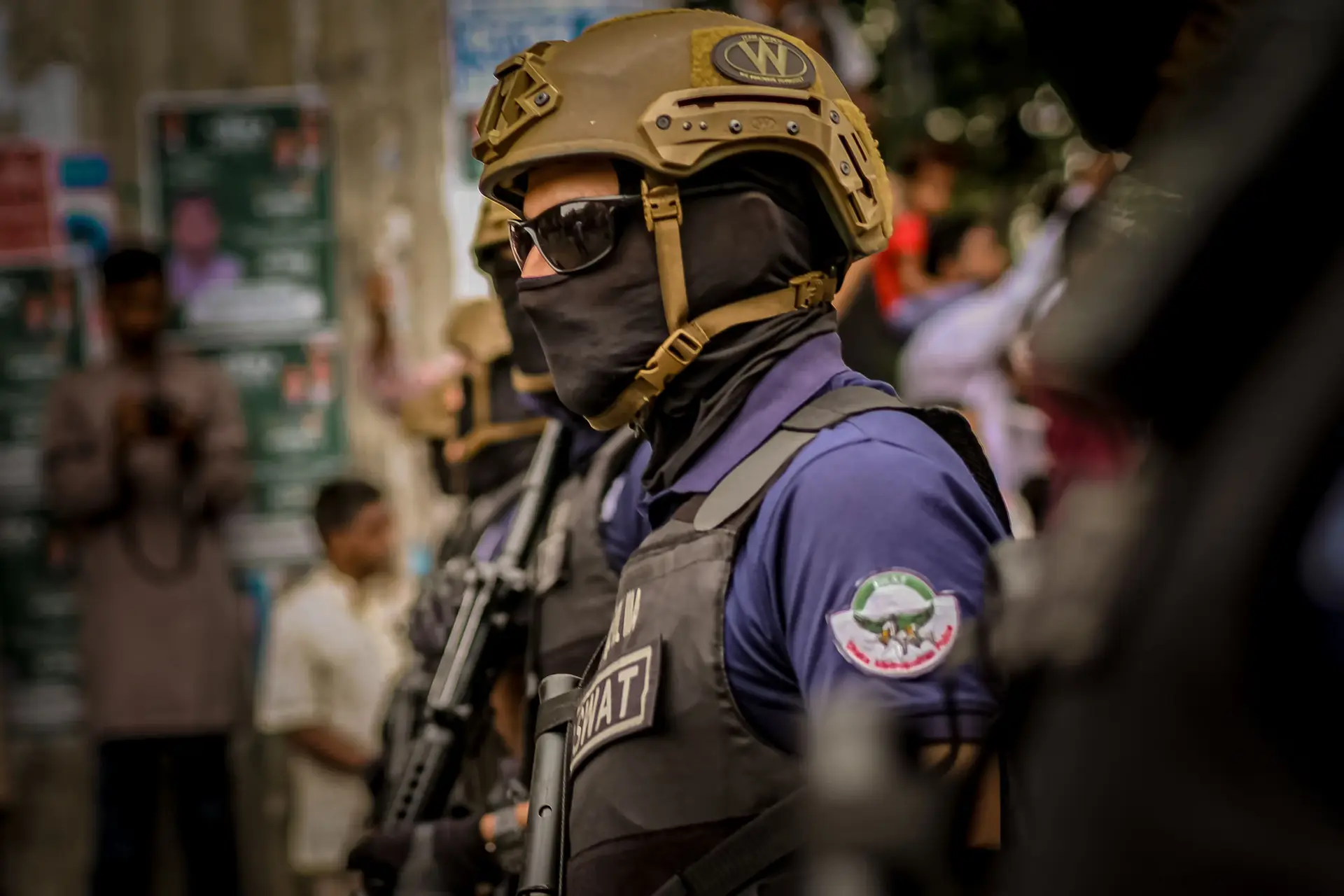
The evening's tally reads less like an idealistic uprising and more like routine hooliganism: emergency services met fireworks, thrown bottles, and stones with water cannons, tear gas, and rubber projectiles. One police officer was briefly hospitalized for smoke inhalation, while an injured teenager's involvement remains unclear. Cantonal police arrested two Swiss men, aged 19 and 21, caught stockpiling makeshift missiles at a construction site while equipped with reinforced quartz-sand gloves. Eighteen expulsion orders were handed down in total, alongside similar turbulent flare-ups reported in Basel and Bern.
Predictably, the political aftermath resembles a well-rehearsed theater piece. The Social Democrats in Zurich issued a statement insisting that the participants were driven purely by destruction and confrontation, declaring such behavior unacceptable. The local Greens similarly condemned the violence, complaining that a small group had hijacked the legitimate concerns of European youth protests. Meanwhile, the Young Socialists washed their hands of the matter entirely, writing that because they did not participate and lacked exact details, no hasty statement should be expected.
From the right and center, the diagnosis was far sharper. The FDP noted dryly that Zurich’s rioters were not acting out of existential dread, but participating in criminal self-dramatization. The Swiss People’s Party accused the security apparatus of acting far too defensively, providing left-wing agitators ample room for havoc. National Councillor Nina Fehr Düsel publicly questioned why the Zurich City Council failed to intervene early despite clear warning signs.
The youth wings of the FDP and SVP went further, demanding that left-leaning parties explicitly distance themselves from the violence. They pointedly asked Green Security Director Karin Rykart to explain why the city once again lapsed into chaos. Rykart echoed the general condemnation while reminding critics that she has advocated for additional police personnel for years, including 17 new front-line positions in the 2017 budget.
Whether more uniforms and gear will curb the impulse for weekend radicalism in one of the world's wealthiest cities is a question of political will rather than resources. For now, Zurich settles back into its quiet routine, waiting for the next unauthorized spectacle.
Written by Thomas Nussbaumer thomas.nussbaumer@alpineweekly.com