Nov 1, 5:01 PM
Diplomacy of Disruption: How a TikTok Post Triggered a Moscow Security Alert
Even amid severe diplomatic frost, intelligence channels between Washington and Moscow flicker when mass casualties are threatened.
Intelligence sharing across deep diplomatic fault lines is always a study in cynicism. When the United States embassy in Moscow published a security advisory concerning a credible threat of a mass casualty event at the Tsaritsyno Museum Reserve, it laid bare the strange operational ties that persist even during acute geopolitical tension. The alert advised citizens to avoid crowds and stay vigilant while Washington coordinated its response with Russian authorities.
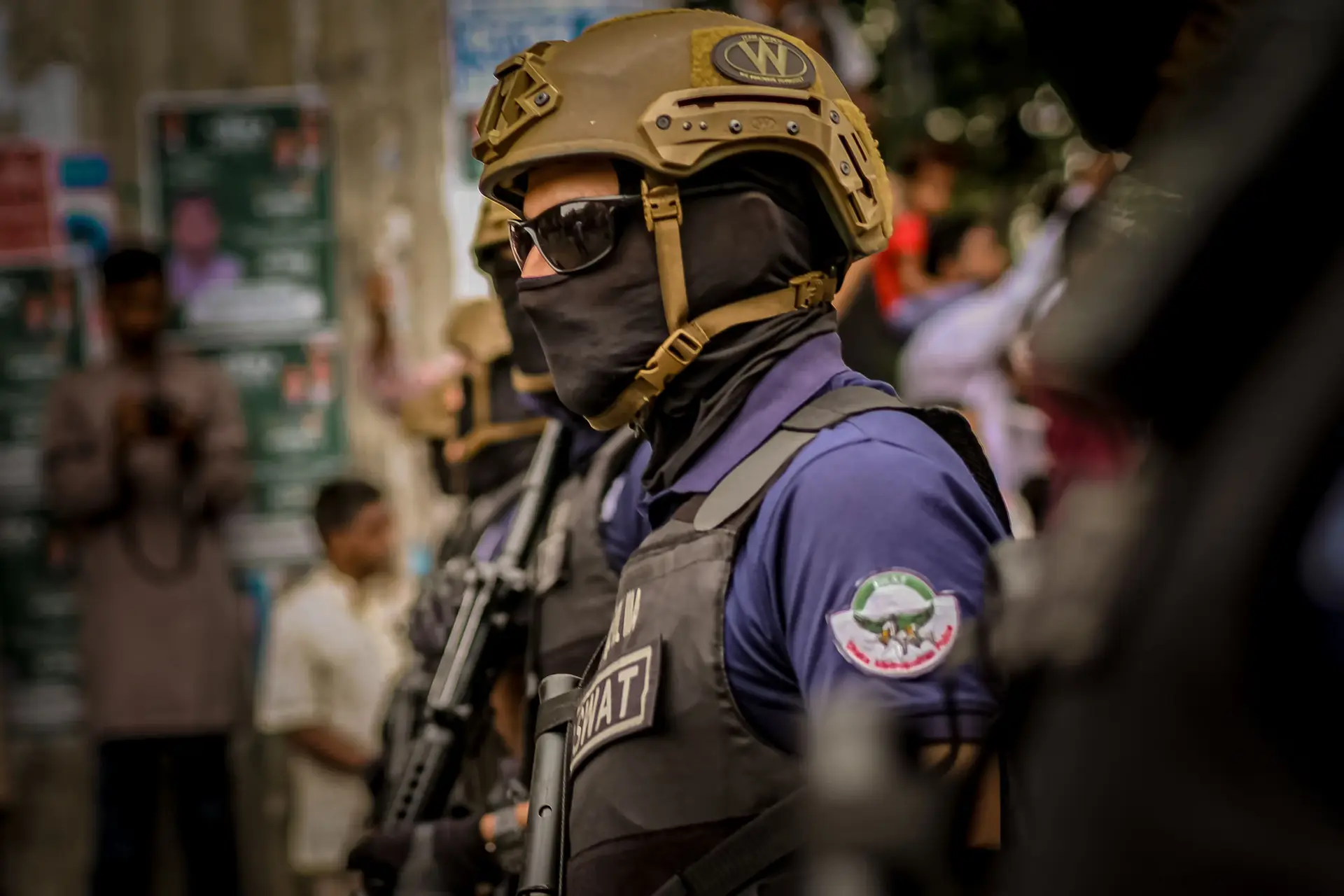
The response from local law enforcement came quickly. According to statements from the Federal Security Service reported by Russian state media, authorities detained a Russian citizen who is a minor. The youth had posted photographs on TikTok wearing tactical gear, a balaclava, sunglasses, and holding an object resembling an automatic rifle, accompanied by images taken at the museum site with a caption stating he had found a location.
By Saturday evening, the museum grounds were abruptly closed and visitors evacuated for what officials publicly described as technical reasons. German diplomatic channels reportedly issued parallel cautions regarding security at the reserve before the site resumed normal operations on November 1.
The sequence of events carries a distinct sense of familiarity. In March 2024, American diplomats issued a remarkably similar warning shortly before an attack on the Crocus City Hall concert venue near Moscow, which left more than 150 people dead and hundreds injured. Prior to that incident, Russian President Vladimir Putin had publicly characterized intelligence warnings from Western bodies as provocative, calling them outright blackmail and an attempt to destabilise society.
When operational warnings arrive, political grandstanding routinely yields to self-preservation. Whether a teenager's social media posts posed an imminent danger or merely an ill-advised display, the rapid evacuation and subsequent detention reveal that beneath public hostility, essential security protocols continue to function when potential casualties are involved.
Written by Christiane Hofreiter christiane.hofreiter@alpineweekly.com